Karmactive Team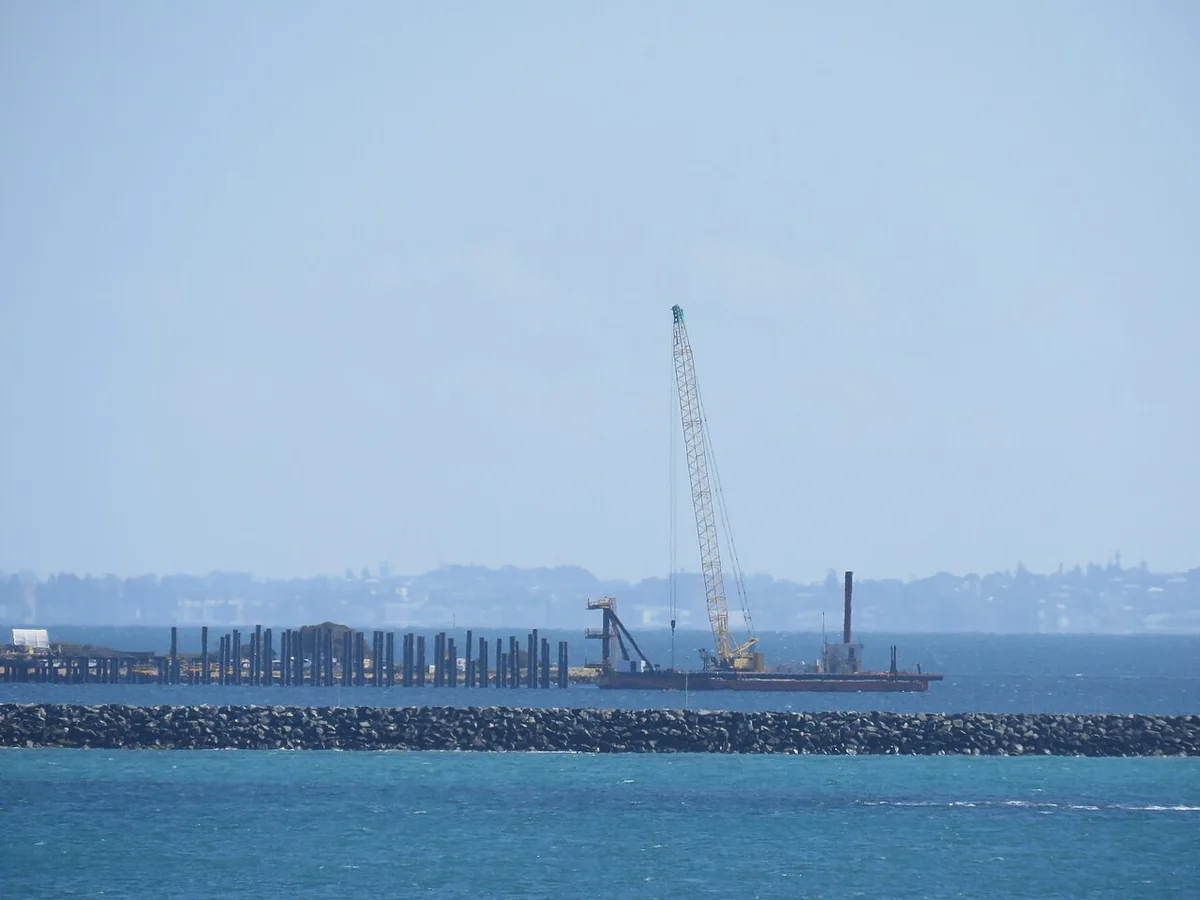
Western Australia has formally committed to becoming a renewable energy superpower. At the same time, the federal government is building a major nuclear submarine maintenance facility eleven minutes from suburban Perth. Both projects need the same people: licensed electricians, fabricators, and technical tradespeople. The question being asked in state parliament is which project is actually getting them.
Under the AUKUS trilateral pact, the Henderson shipyard precinct south of Perth is being developed into Australia’s designated maintenance and sustainment facility for nuclear-powered submarines, servicing allied US, UK, and future Australian nuclear submarine fleets. A WA government trade day for high school students from southern suburb schools — public and private — was held aboard HMAS Australia. Students came home with branded merchandise including toy submarines. The event drew direct parliamentary challenge as an example of defense recruitment being embedded into public school vocational education programs, alongside carpenter and electrician apprenticeship pathways.
Families and young apprentices evaluating trade careers in Western Australia face competing industrial priorities as federal defense spending directs vocational resources toward naval contracts. With Henderson expanding into a major nuclear submarine maintenance hub, government training pipelines are increasingly oriented toward naval defense contracts alongside clean energy infrastructure. This tension raises questions about whether renewable energy developers will have access to the skilled electricians and fabricators required to achieve state decarbonization targets.
What the Parliamentary Exchange Revealed
Sophie McNeill — WA Greens Member of the Legislative Council for South Metropolitan Region and former ABC foreign correspondent and investigative journalist — challenged Western Australian Minister for Skills and Training Simone McGurk directly:
“I just want to have a minute to say something. I represent hundreds of thousands of students who oppose AUKUS. Minister, I live 11 minutes away from Henderson, which is going to be the fifth nuclear submarine maintenance facility in the world. The other four are in the US. That is a huge deal. 11 minutes from my front door. This is about preparing for war. It’s about going to war with China. None of that’s being discussed today. You’re all talking about jobs, investment. This is about war.”
McNeill described her 15-year-old son’s experience at the trade day: “He wants to be in a renewable energy company, Minister. What happened to becoming a renewable energy superpower? You are in our schools recruiting our children to join the US Department of War’s efforts to go to war. I want them to be in a renewable energy superpower. What happened to that plan?”
Minister McGurk rejected what she described as Greens rhetoric: “I’m quite offended by the rhetoric that comes from the Greens. Our job as a state government is to make sure that those kids who live in really challenged environments, in really complex social circumstances, have opportunities to access a quality job. That is our role, and that is what I am focused on doing as the Minister for Skills and Training.”
Australia’s declared goal of becoming a renewable energy superpower is structurally limited by a shortage of licensed electrical tradespeople and industrial technicians. By integrating nuclear submarine shipyard opportunities into high school trade days, defense infrastructure competes with the clean energy grid for the same emerging workforce. For anyone following Australia’s energy transition workforce and AUKUS infrastructure developments, the WA classroom is where the tension between national security spending and decarbonization targets becomes concrete.
Henderson’s AUKUS development timeline continues. WA’s renewable energy targets remain in place. No announced framework coordinates defense and clean energy apprenticeship pipelines. Check back as further parliamentary debate on training priorities and Henderson development milestones emerges.