 Tejal Somvanshi
Oxevision vision-based monitoring systems have been deployed in a number of NHS mental health trusts in England. They track breathing and pulse through the night without physical contact. The system uses an infrared-sensitive camera; depending on the local configuration, video images may be recorded and stored on-site for up to 24 hours. Patients may first find out about the device when ward staff mention it at admission. Whether a patient can refuse it, how data enters clinical notes, and whether the technology actually reduces harm are questions regulators have not definitively answered.
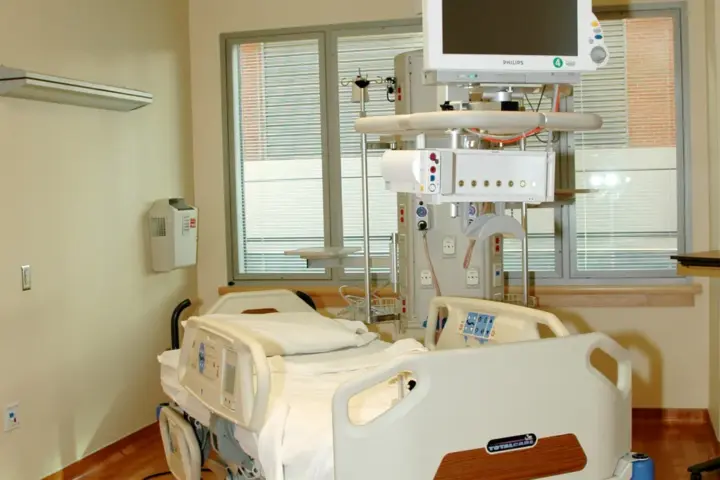
Some NHS mental health trusts are using the Oxehealth Oxevision optical monitoring system in psychiatric inpatient rooms. The device uses infrared light to detect chest-wall movement and calculate pulse and respiratory rate continuously. The system incorporates an infrared-sensitive camera; under standard NHS configurations, clear video images are recorded and stored on-site for up to 24 hours, and recorded clips may be retained following safety incidents. The manufacturer describes the system as a tool to support monitoring alongside observation checks — the overnight routine in which a nurse opens a bedroom door to confirm a patient is safe. The technology is registered as a medical device with the Medicines and Healthcare products Regulatory Agency (MHRA). NHS trusts in England have expanded deployment over the past two years. The Care Quality Commission (CQC) inspects facilities where the systems operate.
If you or a family member is admitted to an NHS ward with this system installed, ask ward staff directly for the trust’s consent policy. Patients should ask the ward how its local Oxevision policy deals with consent, objections, privacy and alternative arrangements. Patients detained under the Mental Health Act on sections 2 or 3 face a different threshold, but monitoring decisions must still be based on individual clinical assessment, necessity and proportionality. Ask specifically how system-generated alerts are logged in clinical notes and who can review those records.
What the evidence actually shows — and what NHS England’s guidance states
The Oxevision sensor shines infrared light onto skin and reads micro-movements produced by breathing and heartbeat. A computer-vision algorithm converts that optical signal into vital sign numbers. The system uses a camera that can provide staff with visual monitoring capability. The system can generate alerts linked to movement or location events; it does not function as a continuous vital-sign alarm system.
Ward managers most often cite two benefits: detecting medical emergencies overnight before a check round would reach the room, and reducing the disruptive effect of repeated door openings on patients trying to sleep. Patient advocacy groups counter that continuous biometric monitoring — even where images are subject to defined retention controls — is still surveillance conducted on people who are frequently admitted involuntarily and in acute psychological distress.
The legal position is genuinely unsettled. NHS trusts operate under Regulation 10 (Dignity and respect) and Regulation 12 (Safe care and treatment) of the Health and Social Care Act 2008 (Regulated Activities) Regulations 2014, which require balancing patient rights against duty-of-care obligations. CQC inspection reports have found inconsistent written consent documentation across trusts — some treat sensor use as a standard care component, others as an opt-in arrangement. No single national protocol exists.
NHS England’s published principles for digital technologies in mental health inpatient care state that the current evidence base does not establish that surveillance technology improves patient safety, care quality, or costs as a proven intervention. That is a stronger position than most reporting on the Oxevision rollout has reflected. If you want to cite a specific source when speaking with ward staff, the NHS England guidance on inpatient digital monitoring is publicly available at england.nhs.uk.
For patients and families, the practical questions to put to ward staff are: does this trust classify the sensor as mandatory or optional, can a privacy alternative be arranged and by whom, and how do system-generated alerts appear in the formal care plan?
Understanding what the Mental Health Act says about patient rights to privacy and care plan participation can help you know which requests clinical teams are legally required to document. A separate guide to NHS complaint and advocacy pathways covers the formal routes available if your requests are not recorded appropriately.
The CQC has published an evidence review of digital health technologies in NHS mental health inpatient settings. Individual trust policies currently determine consent requirements and data access. If you want to understand the guidance that applies, the NHS England principles for digital technologies in mental health inpatient care and the CQC’s evidence review are both publicly available.