 Karmactive Staff
Durga Ashtami is a day of fasting and feasting. The bhog offered to Goddess Durga is elaborate, delicious, and secretly dangerous for your health. Deep-fried puris, oil-soaked sabzis, and sugar-laden sweets are staples of the festival table. But you can honor the goddess and your body with smarter choices.
The health risks of festival foods are real. Deep-fried foods contain trans fats that raise LDL cholesterol and increase heart disease risk. See Trans fat, Deep frying, and Cholesterol. Refined flour (maida) used in puris and naans spikes blood sugar. Sweets like rasgulla and sandesh contain hidden sugars that add up quickly. See Hidden sugar. Festival foods can be high in fat, sugar, and sodium.
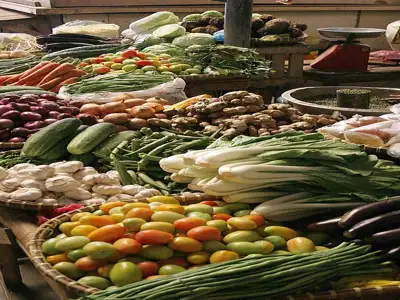
Ayurveda, the traditional Indian system of medicine, recommends light, sattvic food during fasting. See Ayurveda and Sattvic diet. Sattvic foods are fresh, natural, and easy to digest. They include whole grains, lentils, vegetables, fruits, and dairy. See Whole grain, Lentils, Fruit, and Vegetable. These foods provide energy without the heaviness and sluggishness that comes from deep-fried festival fare.
Traditional fasting foods are naturally healthier than modern festival foods. Sabudana khichdi, kuttu ki roti, singhara atta puri, and samak rice are common fasting options that are gluten-free and relatively low in fat. Paired with vegetables and lean proteins, they make a balanced meal that supports energy levels throughout the day. See Indian cuisine and Healthy cooking.
The key is portion control and mindful eating. Fasting is not about deprivation — it is about choosing foods that nourish the body while honoring the spiritual practice. See Fasting and Portion control. A plate of khichdi with vegetables and a small serving of fruit is more satisfying than three deep-fried puris and a bowl of sweets.
Plant-based alternatives to deep-fried offerings are emerging. Baked samosas, air-fried pakoras, and grilled paneer tikka offer the same festival flavors with considerably less oil. These alternatives are not sacrilegious — they are practical. See Plant-based diet and Healthy diet.
Priority PAA: What to eat during Durga Ashtami fasting? Sattvic foods — whole grains, lentils, vegetables, fruits, dairy. Avoid deep-fried foods, refined flour, and hidden sugars. Practice portion control and mindful eating.
Related: Cultivation Of Crops Nourishment Before After Green R; Wildlife Population Decline Compound Threats 2026 Stu