 Rahul Somvanshi
European households are heading into winter with gas storage facilities tracking toward a relaxed 80% target but sitting significantly below the five-year average. As of late September 2026, EU underground storage was around 71% full — roughly 16 percentage points below the five-year average for this time of year, and the lowest level recorded for this date since tracking began in 2011. The European Commission has confirmed there is no immediate security-of-supply risk, but the picture is more complex than a single headline figure suggests.
EU underground gas storage facilities were at around 70–71% capacity as of 26 September 2026, according to Gas Infrastructure Europe data. The European Commission’s Gas Coordination Group stated on 3 September 2026 that there is no immediate security-of-supply risk heading into winter, citing increased LNG import capacity, diversified supply sources and reduced gas demand. The EU originally set a 90% storage target, but member states and the Commission have agreed that reaching 80% would be sufficient from a security-of-supply perspective for this winter, with the window running from 1 October to 1 December. Storage is refilling at a rate that tracks closely to meeting that relaxed target, but with limited margin for error.
For households budgeting for winter heating, the practical risk is not a supply cutoff. It is a price spike. Below-average storage levels heading into winter mean there is less of a buffer against a cold snap — and the way Europe sources its gas has also structurally changed, creating a different risk profile from previous years.
Why the Commercial Model Broke Down
Before 2022, European gas storage economics followed a predictable pattern. Gas was cheaper in summer because heating demand was low. Traders bought at summer prices, paid to inject the gas into underground facilities — salt caverns, porous rock reservoirs, depleted oil fields — and sold in winter when heating demand pushed prices up. The summer-to-winter price spread covered storage operating costs and generated a margin.
Russia’s invasion of Ukraine and the subsequent cutoff of most Russian pipeline gas changed that model. LNG, which has largely replaced those pipeline volumes, is priced on global markets and responds to weather events and industrial demand spikes in Asia and elsewhere — not to European seasonal heating cycles alone. As Bloomberg and the Financial Times reported in detail this week, the summer-to-winter price spread in European gas markets has flattened or collapsed for many private storage operators, reducing the commercial incentive to inject gas. This structural shift is supported by European Commission and Gas Infrastructure Europe data on storage trajectories.
The LNG Buffer and Its Limits
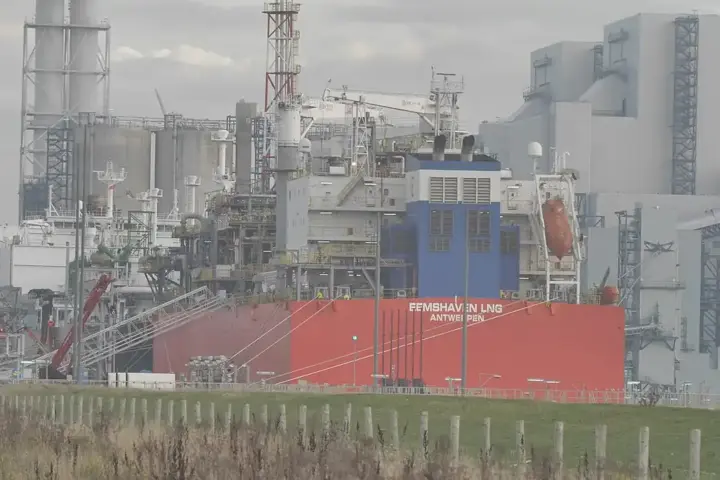
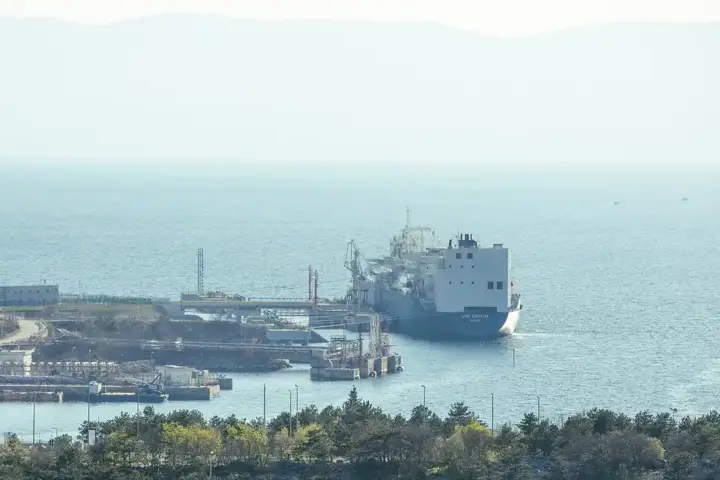
LNG has become a major supply source for Europe following the loss of Russian pipeline gas. European LNG import terminal capacity has expanded significantly since 2022, with new regasification infrastructure added in Germany, the Netherlands and Italy.
The key difference from pipeline gas is flexibility. LNG tankers are a global commodity — they go wherever prices are highest. During a severe cold snap, if Asian buyers are bidding aggressively for LNG cargoes, European importers must compete in real time. This does not guarantee a shortage, but it does mean that during extreme events, spot-market prices can move sharply and quickly.
Below-average storage levels heading into winter reduce the buffer available to absorb that kind of demand spike. Under average winter weather, the European Commission assesses supply as adequate. Under a prolonged, severe freeze, the margin is tighter than in years when storage was above the five-year average.
What European Households and Businesses Should Do
For household consumers, the most direct hedge against winter bill spikes is a fixed-rate energy contract. Variable tariffs track spot prices more closely; fixed tariffs lock in a set rate. Whether fixed or variable is the better choice depends on the tariff structure available in your country and energy market, so comparing current options with your supplier before the heating season begins is worth doing.
Commercial energy buyers across key European markets face a similar calculation. Current forward-curve prices reflect an expectation of adequate supply. If that expectation is tested by severe weather, forward prices will move.
For background on [how European energy markets restructured after the 2022 gas crisis](/europe-energy-market-restructuring) and [Australia’s growing role as an LNG exporter to European markets](/australia-lng-europe-exports), both are covered in depth on Karmactive.
Frequently Asked Questions
Does Europe have enough natural gas for the 2026–2027 winter? Under average winter weather, yes. The European Commission’s Gas Coordination Group confirmed no immediate supply-security risk as of September 2026. However, storage levels are around 16 percentage points below the five-year average and tracking toward a relaxed 80% target rather than the original 90%. A prolonged cold spell combined with strong competition for global LNG cargoes could draw down reserves faster than planned, pushing spot-market prices higher.
Why is European gas storage below historical levels this year? The transition away from Russian pipeline gas to LNG imports has changed the economics of filling storage. The summer-to-winter price spread that made seasonal storage commercially attractive for private traders has narrowed, reducing commercial injection activity. Storage refilling has been slower than historical patterns as a result.
Will European heating bills rise this winter? That depends on winter temperatures and global LNG demand. Fixed-rate energy contracts provide protection against spot-market volatility. Variable-rate customers are exposed to price movements if demand spikes during cold weather. Reviewing your tariff options before the heating season is the most direct step available.
Gas Infrastructure Europe publishes weekly storage drawdown data. The first meaningful stress test on current reserves will come from any sustained cold weather in January or February 2027. Check back here for updates on European gas supply as the heating season develops.