 Govind Tekale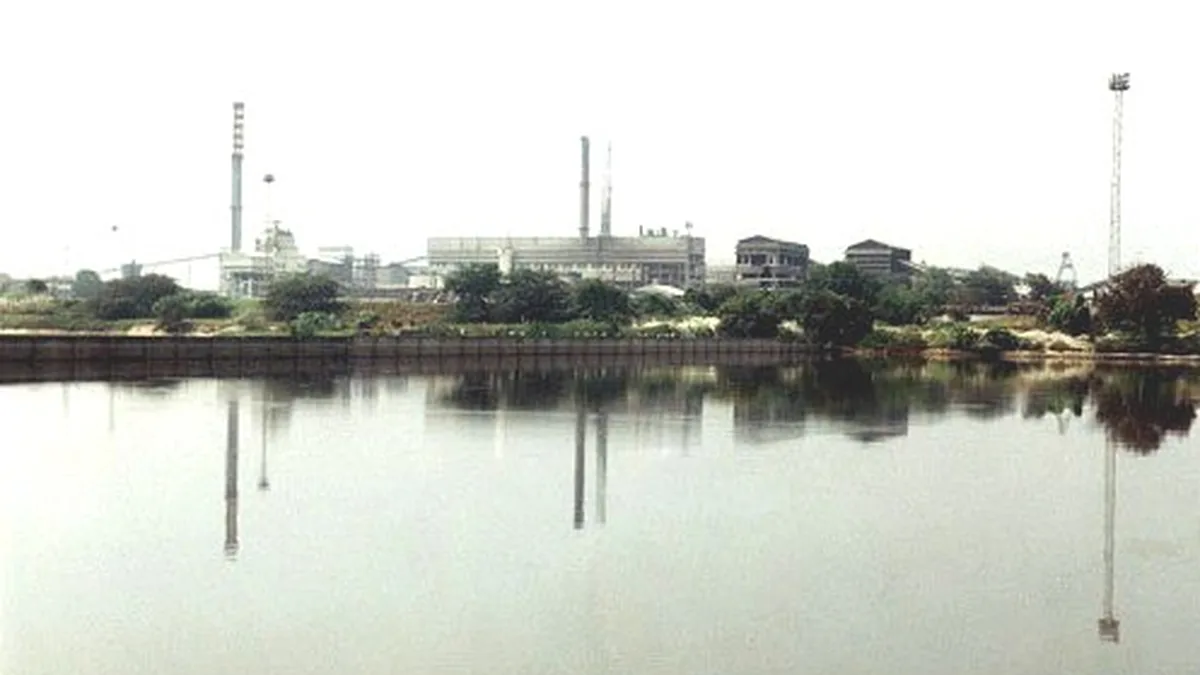
ARTICLE 4 — Makhiyali Pollution
Makhiyali Paper Mill Waste Case Reaches NGT as Mixed-Waste Disposal Allegations Surface
Residents of Makhiyali village in Muzaffarnagar district have raised pollution complaints about nearby industrial operations for years. On September 21, 2026, the National Green Tribunal heard the matter again — this time examining new allegations that mixed waste including plastic, rubber, municipal solid waste, and electronic waste was being transported and disposed of around the village.
The National Green Tribunal has been examining OA 797/2024, a case dating to a petition concerning five paper mills near Makhiyali and alleged air pollution from solid waste and plastic burning. The September 21, 2026 hearing addressed new allegations of mixed-waste disposal in the area. A September 24 report described the tribunal issuing notices to relevant parties, with further proceedings scheduled. The Uttar Pradesh Pollution Control Board and district authorities have been involved in inspection processes linked to the NGT case. CPCB and UPPCB reports form part of the material submitted in the proceedings.
Residents of Makhiyali and Muzaffarnagar who have followed this case through the NGT now have a clearer documented regulatory process to track. The tribunal’s notice-issuance and scheduled proceedings mean the allegations are in the formal regulatory system. The notified authorities are required to respond within the proceedings to the allegations, inspections and directions issued in the case. NGT proceedings provide one formal legal route through which communities can seek environmental scrutiny and regulatory action — it does not guarantee a particular outcome, but it creates an official evidentiary trail that did not exist from informal complaints alone.
What the NGT Record Establishes
The original petition identified five paper mills and alleged air pollution from burning solid waste and plastic at those facilities. The September 21 hearing brought additional allegations before the tribunal concerning mixed-waste categories — plastic, rubber, and e-waste — beyond the earlier paper-mill emissions complaint.
In this case, the NGT constituted a joint committee involving UPPCB, the District Magistrate and CPCB to prepare a factual report. Those reports form part of the formal record. They document what inspectors found — or did not find — at the time of inspection.
Industrial pollution monitoring in Uttar Pradesh has been subject to multiple NGT proceedings in recent years. NGT proceedings provide one formal legal route through which communities can seek environmental scrutiny and regulatory action.
What the NGT record does not establish at this stage: a concluded finding that specific health outcomes in Makhiyali are caused by identified industrial sources. That determination requires epidemiological study separate from the tribunal’s regulatory review. Allegations documented in court filings and inspection notices are part of the evidentiary process — they are not a finished judgment on health causation.
That distinction matters: the proceedings give the community documented regulatory leverage and an official record. The causal question about health impacts remains open and requires different evidence to answer.
The next NGT hearing in OA 797/2024 is scheduled for December 9, 2026. Outcomes depend on responses from notified parties and inspection findings from CPCB and UPPCB. This article will be updated as proceedings continue.
———————————————————————————————–
———————————————————————————————–
## How to Log Into WordPress REST API — Step by Step
### What We Used: **Application Password Authentication**
—
### Step 1: Get the Credentials
From the Pipeline file (`Karmactive Pipeline.md`), the credentials are:
– **Username**: `Sunita Somvanshi`
– **Application Password**: `Tw8QKhc98KxU5L4O3Q0s0w6J` (remove spaces → `Tw8QKhc98KxU5L4O3Q0s0w6J`)
> Application Passwords are created in WordPress Admin → **Users → Profile → Application Passwords** section. They’re separate from the login password and designed for API access.
—
### Step 2: Test the Login (Verify It Works)
“`bash
curl -s -u “Sunita Somvanshi:Tw8QKhc98KxU5L4O3Q0s0w6J” \
“https://www.karmactive.com/wp-json/wp/v2/users/me?_fields=id,name”
“`
**Expected response**: `{“id”:57,”name”:”Sunita Somvanshi”}` ✅
—
### Step 3: Make Authenticated API Calls
**GET a post** (read):
“`bash
curl -s -u “Sunita Somvanshi:Tw8QKhc98KxU5L4O3Q0s0w6J” \
“https://www.karmactive.com/wp-json/wp/v2/posts/1779?_fields=id,title,author”
“`
**PATCH/UPDATE a post** (write):
“`bash
curl -s -X POST \
-u “Sunita Somvanshi:Tw8QKhc98KxU5L4O3Q0s0w6J” \
-H “Content-Type: application/json” \
-d ‘{“meta”:{“_yoast_wpseo_focuskw”:”your keyword here”}}’ \
“https://www.karmactive.com/wp-json/wp/v2/posts/1779”
“`
> Note: WordPress REST API uses `POST` for updates (not `PATCH`), even when editing existing posts.
—
### Step 4: Check the HTTP Response Code
– **200** = Success ✅
– **401** = Auth failed (wrong credentials)
– **403** = Forbidden (user doesn’t have permission)
– **404** = Post not found
—
### How It Works Under the Hood
“`
curl -u “username:app_password”
↓
WordPress sees Basic Auth header
↓
Checks Application Password table (not login password)
↓
Grants API access with that user’s role/capabilities
↓
Sunita = Editor role → can edit any post ✅
“`
—
### Why This Works Now (But Failed Before)
The previous sessions used:
– ❌ Regular WP login password → blocked by Cloudflare WAF
– ❌ Programmatic browser login → WAF blocks `POST /wp-login.php`
– ✅ **Application Password** → bypasses WAF, goes directly to REST API endpoint, which Cloudflare allows through
—