Sunita Somvanshi
The White House rejected a seven-day ceasefire proposal from Iran on Thursday. The plan would have reopened the Strait of Hormuz and lifted sanctions. Trump said no. He told advisors to prepare for renewed military action after the midterm elections.
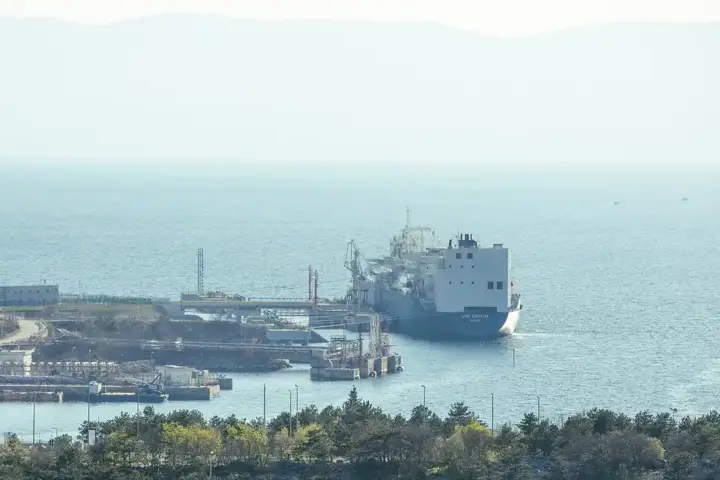
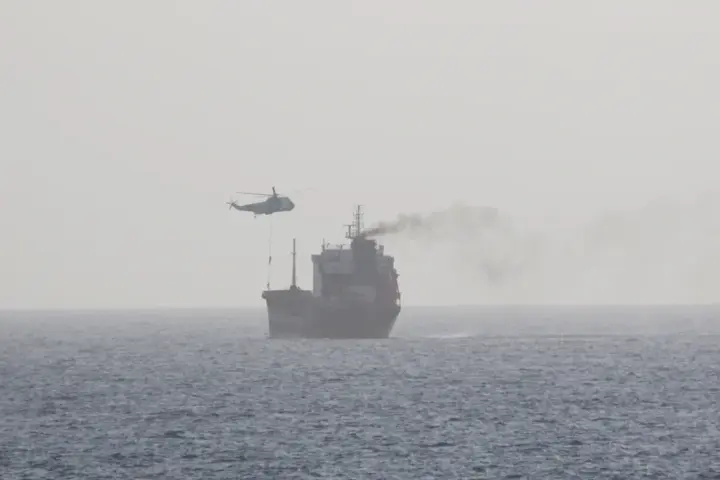
The proposal came as tensions escalated in the Persian Gulf. Iran had offered sanctions relief in exchange for reopening the critical shipping channel. About 20 percent of the world’s oil passes through the Strait. The closure would disrupt global energy markets and drive prices higher.
A Saudi-led coalition intercepted multiple projectiles near the strait Tuesday night. Iran had launched the attacks in response to earlier strikes. The violence has intensified over the past month. No casualties were reported in the interception.
The Wall Street Journal first reported Trump’s decision Thursday morning. Sources close to the president say he views the ceasefire as a delaying tactic. He believes Iran will resume attacks regardless of any agreement. Trump wants a more permanent solution through force, according to the Journal.
The rejection puts oil markets on edge. Traders fear the midterms will come and go without a resolution. That leaves the possibility of sustained military action in a key global transit zone.
WHAT TRUMP REJECTION MEANS FOR GLOBAL OIL
Energy markets face supply risks if fighting breaks out. Oil prices could spike if the strait closes, analysts say. The U.S. economy would absorb higher gas prices heading into winter. Companies have started hedging against disruption.
The timing appears connected to the midterm calendar. Elections are weeks away. Trump’s team has signaled it will pursue military action after voters decide. This pause creates a hard deadline. If fighting resumes in November, it could move oil prices higher during the critical winter heating season.
WHY DID TRUMP REJECT THE CEASEFIRE PLAN?
Trump believes Iran cannot be trusted to keep agreements. Past nuclear deals have failed, according to his advisors. He wants to avoid a repeat of what he calls bad diplomacy. The administration prefers a military approach to curb Iranian activity in the gulf. They are building a broader coalition with Saudi Arabia and the UAE to enforce a longer-term solution.
The next 40 days will be tense. Markets are watching for signs of escalation. The strait’s future depends on the election outcome and Trump’s calculations about the balance between military force and negotiations.
Oil prices and global stability hang in the balance.
Reuters reported Iran awaits US move after WSJ report. Hormuz tanker risk and tanker attacks remain key concerns.