 Rahul Somvanshi
AI Data Centers Will Consume 20% of the US Power Grid by 2035
If you’re planning capital spending around a data center, a solar farm, or a grid contract, the numbers just changed.
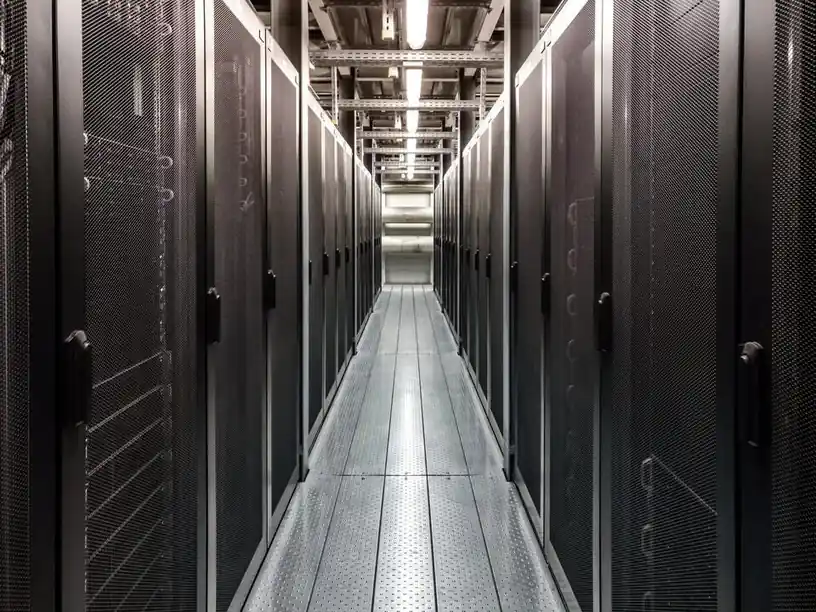
If you’re planning capital spending around a data center, a solar farm, or a grid contract, the numbers just changed. New research aired at New York Climate Week this week shows AI-driven data centers are on pace to swallow one-fifth of all US electricity by 2035, and the grid isn’t ready.
Data centers are projected to add 118 gigawatts of new electricity demand to the US grid by 2030, according to figures BloombergNEF technology and innovation associate Stephanie Diaz presented at New York Climate Week 2026. That jump would push data centers to roughly 12% of total US electricity demand by 2030, climbing toward nearly 20% by 2035. The surge is driven substantially by AI computing, which requires far more constant power than traditional cloud storage or web hosting ever did. Utilities and grid operators across multiple states are already fielding requests for power hookups that exceed what some regional grids can currently deliver, according to FERC interconnection data.
For US tech investors and data center operators, the era of cheap, limitless grid access is over. Policymakers will soon be forced to choose between capping data center expansion or passing massive grid-upgrade costs onto residential electricity bills, creating real regulatory risk for anyone building AI infrastructure right now. The same tension surfaced when a data center electricity bill died in the Senate, leaving open the question of who pays for AI grid upgrades.
Grid Load Estimator
Estimate new peak demand from an AI server cluster before committing to a site.
The tension boiling over at Climate Week comes down to three goals that don’t fit together easily: staying ahead in the global AI race, protecting energy exports, and keeping household power bills affordable. Diaz told the Climate Week audience policymakers are chasing all three goals at once and can’t have all of them. One inference worth flagging plainly: if grid capacity is finite and AI demand keeps compounding annually, either expansion slows, prices rise, or both — that’s a logical consequence of the numbers above, not a quoted claim from any speaker. Some of the same pressure is already reshaping circular economy approaches to tech hardware, as operators look for ways to extend equipment life and cut the embodied energy cost of constant server upgrades.
The scale of this shift is hard to overstate: 118 gigawatts is roughly equivalent to the total electricity output of dozens of large power plants, arriving inside a single decade, concentrated in a handful of states with existing grid bottlenecks. Some operators are turning to behind-the-meter turbine manufacturing to shorten power timelines, while others track the US gas power surge driven by AI datacenters.
As of late 2026, data centers are on track to add 118 GW of new demand by 2030. Driven by energy-intensive AI workloads, they will consume roughly 12% of total US electricity by 2030, and nearly 20% by 2035.
Data centers are set to reshape how much Americans pay for power and how fast AI companies can expand. The scale of the 118-gigawatt demand jump, and the three-way policy squeeze it creates, will keep shaping utility rate cases and federal energy policy well into 2027.