Sunita Somvanshi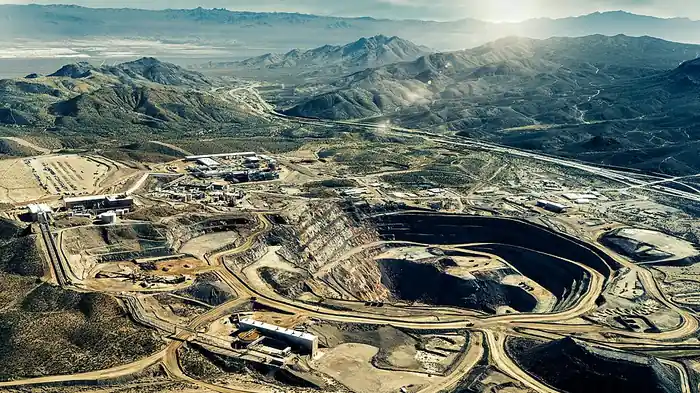
A summit between President Trump and Chinese President Xi Jinping in September 2026 put rare earth minerals at the center of US-China trade talks alongside tariff disputes and technology export controls. Rare earths—17 chemical elements used in smartphones, electric vehicle motors, military radar systems and wind turbines—are abundant globally, but China controls roughly 70% of global rare earth mining and approximately 90% of processing capacity, giving Beijing leverage that extends well beyond raw material exports. The summit’s focus on mineral supply chains marks a shift: Washington is openly treating rare-earth dependency as a strategic vulnerability, not a commodity cost problem.
Businesses dependent on rare earths, electronics and industrial components should watch the summit for more than tariff headlines. Any agreement affecting mineral exports, technology restrictions or supply-chain diversification could influence procurement costs and production planning. Consumers may not see immediate price changes, but companies with concentrated sourcing could face different risks depending on whether negotiations reduce or deepen trade restrictions.
China built its processing dominance during the 1990s and 2000s when prices were low and environmental enforcement outside China was tighter. The US and Europe have deposits but lack commercial refining at scale—building new capacity costs hundreds of millions of dollars and typically takes several years; one recent Pentagon-backed plant is targeted for operation within 14–18 months. A single electric car contains roughly 2–3 kg of rare earth magnet materials in its motor and other components; US military systems depend on them for precision guidance and communications. China doesn’t need to ban exports to exert pressure—it only needs to signal that it might. China's exports surged 12.4% despite 145% US tariffs as supply chains shifted toward ASEAN markets, illustrating how trade pressures reshape flows without necessarily reducing them. US tariffs on Russian oil buyers reflect the broader pressure on global supply chains that connects to these Trump–Xi discussions.
What the Summit May Produce
Three negotiating paths were on the table. First, tariff adjustments: the US can impose or lift duties on Chinese goods, though rare-earth tariffs raise costs for US manufacturers that need the minerals. Second, export-control agreements: China can restrict rare-earth exports in retaliation for US technology controls; the summit was partly aimed at avoiding escalation into that territory. Third, supply-chain diversification deals: the US Trade Representative is pressing Australia, Canada, Vietnam and Indonesia to develop processing capacity outside China, offering favorable trade terms in exchange. None of these paths resolves in a single meeting. The summit may produce framework commitments that play out in working groups over months. The rare-earth angle matters for companies and governments planning procurement 5–10 years out—the decision window for building alternative supply chains is now, not after a crisis.