 Sunita Somvanshi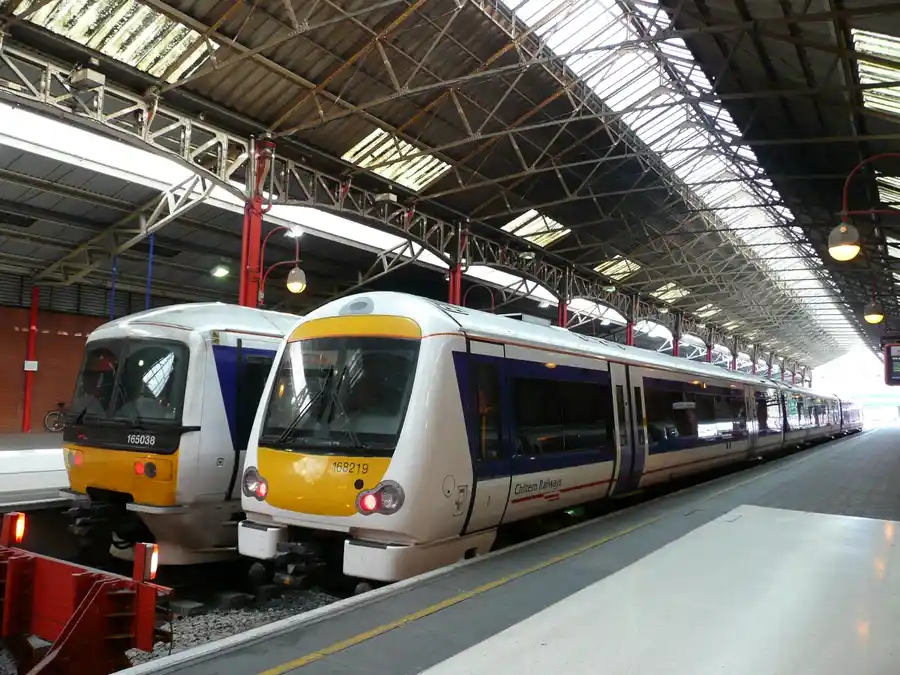
Chiltern Railways moved into public ownership on September 20, 2026, becoming the sixth train operator brought under the Great British Railways framework by the current Labour government. For passengers on the London Marylebone to Birmingham, Oxford, and Warwickshire routes, the ownership change happened on a Saturday. Most commuters won’t feel a difference immediately.
What Changed on September 20
The legal and operational ownership transferred from the private Arriva group to Great British Railways, the publicly owned rail body the government has been building out since taking office. Rail Minister Lord Hendy confirmed the transfer alongside interim managing director Tony Baxter, citing improved reliability and service as the objectives of the change.
Those are stated goals, not results. The ownership transfer does not automatically mean trains run more punctually, fares change, or the passenger experience improves. What it does mean is that decisions about staffing, scheduling, and investment are now made by a public body rather than a private operator answerable to shareholders.
One detail worth noting: the first day of public ownership coincided with an unrelated closure on the West Coast Main Line, forcing Chiltern to run additional trains to accommodate diverted passengers. It was an unplanned stress test on day one.
What Passengers Can Expect in December
The concrete service changes are scheduled for December 2026, when Chiltern is set to introduce:
- 25 additional daily services
- 10,000 extra weekday seats
- Half-hourly London–Birmingham services on weekdays
New trains and improved Wi-Fi are also part of the upgrade plan. From December, passengers will also gain clearer disruption rights: if a Chiltern service is significantly delayed or cancelled, you can travel on another operator’s service within a two-hour window at no additional cost. These are scheduled improvements — they depend on the operational rollout proceeding as planned.
What Hasn’t Changed
Ticket prices for Chiltern services are not affected by the ownership transfer itself. The RMT union has an active ballot over driver-only operation on Chiltern services, which represents an unresolved labour relations question that the new public operator inherits alongside the trains.
The East West Rail project, which overlaps with some Chiltern infrastructure, remains in a separate planning phase. Its connection to the Chiltern transfer is structural rather than operational.
The Broader Nationalisation Picture
Chiltern is the sixth operator brought into public ownership under this government. Great Western Railway is the next scheduled transfer, planned for December 13, 2026 — less than three weeks after Chiltern’s service improvements are due to come into effect.
Q: What changes for Chiltern Railways passengers after public ownership?
Immediately, the ownership and operating structure change — Chiltern is now part of Great British Railways. From December, 25 additional daily services will add 10,000 weekday seats, including half-hourly London–Birmingham trains. Passengers will also get broader disruption rights to use other operators’ services. Ticket prices are not directly affected by this handover.
Chiltern Railways’ transfer to public ownership is a structural change, not an instant improvement. The December service expansion is the first concrete test of whether the government’s objectives translate into a better passenger experience.
Sources: UK Government — GOV.UK; The Guardian