 Govind Tekale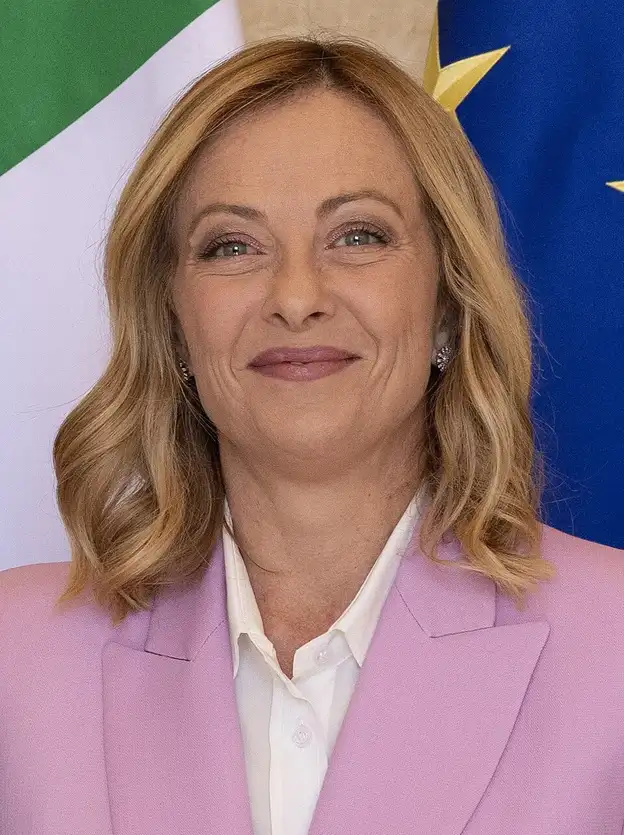
Italian Prime Minister Giorgia Meloni announced on September 20 that her government intends to bring a measure to the Council of Ministers that would ban burqas and niqabs in schools, set a statutory cap on the number of foreign students per class, and require parents of foreign students facing serious integration difficulties to attend Italian-language lessons.
The announcement was made at the Fenix event in Rome. It has not yet become law. Before any of these measures take effect, they must be approved by the cabinet and then pass through parliament within 60 days.
What Was Proposed
1. A ban on burqas and niqabs in schools. The proposal targets full-face veils — the burqa and niqab — not the hijab, which covers the hair and neck but not the face. The 1975 Reale law already prohibits concealment of the face in public places in certain contexts; the proposal would extend a specific ban to school environments.
2. A cap on foreign students per class. Italy has had a non-statutory guideline since 2010 limiting foreign students to 30 percent of a class, but enforcement has been inconsistent and the guideline has no legal force. The new proposal would create a statutory limit. The exact percentage has not yet been confirmed.
3. Italian-language requirements for parents. Parents of foreign students who are assessed as facing serious integration difficulties would be required to attend Italian lessons.
How It Becomes Law
The measure must first go to the Council of Ministers (cabinet) for approval. If approved, it enters the parliamentary process. Opposition figures, including Green Europe MEP Angelo Bonelli, have already announced plans to challenge the proposal. A constitutional law professor, Salvatore Curreri, cited by Italian media, questioned whether the proposal would withstand constitutional scrutiny.
The timeline means Italians will have a clearer picture of whether this becomes law within roughly two months.
Q: Has Italy already banned burqas and niqabs in schools?
No. Meloni’s September 20 announcement concerned a measure she said would be brought to the Council of Ministers — it has not yet been approved by cabinet or passed through parliament. It should not be described as enacted law until both stages are complete. The proposal targets burqas and niqabs specifically, not the hijab.
The political significance of Meloni’s announcement extends beyond any individual provision. It signals a direction on immigration integration policy that will define a significant part of the Italian government’s legislative agenda over the coming months — and the cabinet’s response to the proposal is the next concrete event to watch.
Sources: ANSA.it; Governo Italiano