 Sunita Somvanshi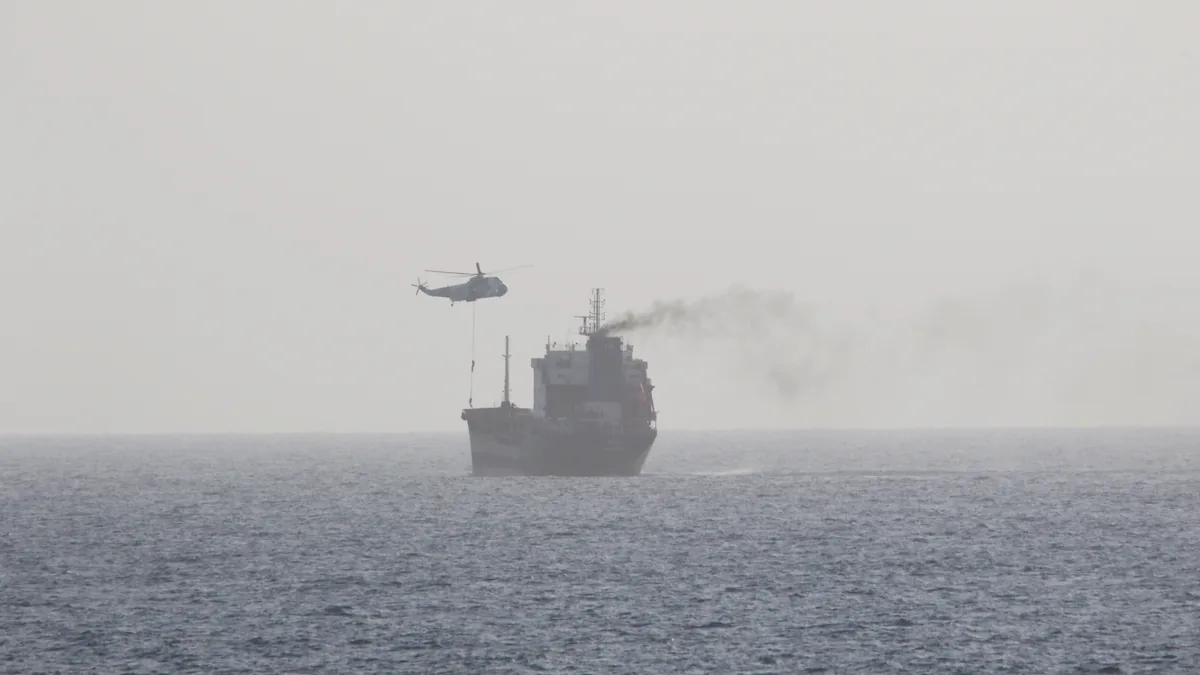
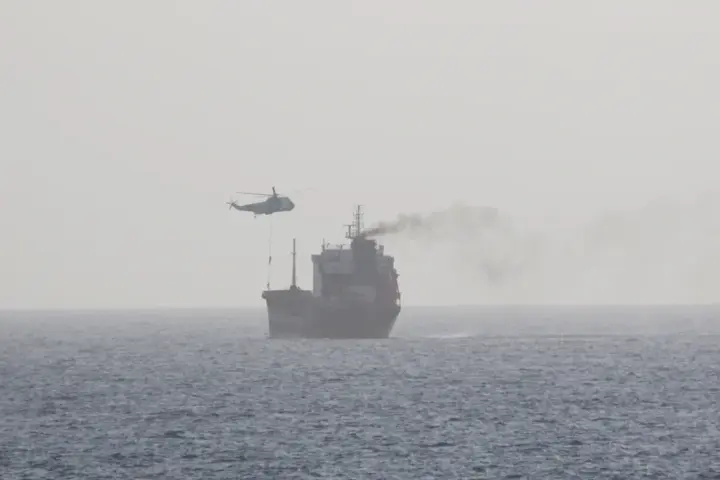
A tanker was struck by an unknown projectile in the Strait of Hormuz on September 18, according to the United Kingdom Maritime Trade Operations, which reported the crew was safe. Shipping traffic through the strait remains sharply reduced, with Reuters reporting four commodity-vessel transits on September 17 compared with a 10-day average of 16, based on preliminary Kpler data. The combination of vessel incidents and sharply reduced traffic is disrupting energy and shipping markets, while the environmental consequences of the latest incident remain unconfirmed.
UKMTO, the British maritime safety body that coordinates shipping alerts in the region, confirmed that a vessel was struck by a projectile and that crew were not harmed. Iran's Revolutionary Guard separately claimed a Togo-flagged tanker was hit during what it described as an "illegal" crossing. The International Maritime Organization said on September 16 that it had verified 80 attacks on merchant vessels in and around the Strait of Hormuz since the current conflict began, resulting in at least 22 seafarer deaths and injuries to many others. Reuters reported the US average gasoline price at about $4.47 per gallon on September 18 as the conflict continued to disrupt energy markets.
For US motorists, energy consumers and businesses that rely on imported goods, the disruption around the Strait is already visible in energy markets and reduced vessel traffic. The precise effect on individual freight and insurance rates varies and requires separate market data. The environmental impact of the latest vessel strike remains unconfirmed; a tanker fire's pollution effects require official assessment before they can be stated as fact.
What Is Confirmed and What Remains Unverified
The IMO's confirmed-incident record provides a primary-source baseline for the danger to shipping: 80 verified attacks through September 16, with at least 22 seafarer deaths and many injuries. This is the primary factual foundation — not the higher-profile statements from Iranian or US government officials, which should be read as national positions rather than independently verified accounts.
Iran's claim that a tanker crossed the strait "illegally" and the US statements about the security situation both require independent corroboration before they can be treated as factual descriptions of specific events. Risk assessments from governments, militaries and private security providers should be attributed to the organisation issuing them rather than presented as independently established facts.
Reuters reported that four commodity vessels transited the Strait of Hormuz on September 17, down from a 10-day average of 16, using preliminary Kpler data. That indicates severe disruption but does not support the draft's precise claim that traffic was 90% below pre-conflict levels.
Is the Strait of Hormuz closed?
The strait is not fully closed based on current reporting. Some vessels are still transiting, although traffic remains well below recent averages. The area remains highly dangerous, with confirmed vessel incidents and reported projectile strikes. The environmental impact of the most recent vessel hit has not been officially confirmed.
The situation is changing rapidly. Maritime notices from UKMTO and the IMO are the most reliable sources for current shipping conditions. Energy and shipping-market effects will depend on how long the disruption and vessel attacks continue. Monitor UKMTO's alerts and the IMO's confirmed-incident page for the most current verified information.
—