 Rahul Somvanshi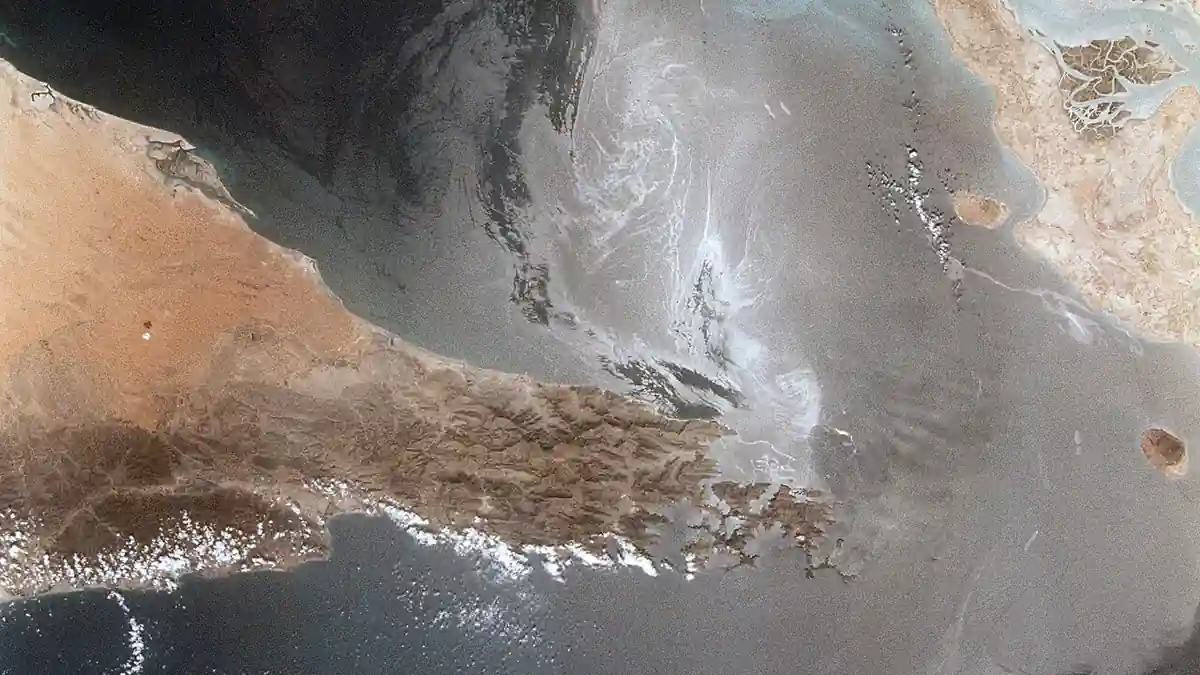
Your gas bill could rise within days. A military confrontation in the Strait of Hormuz — the narrow waterway through which roughly one-fifth of the world’s oil travels — has pushed crude futures higher. What that means for your pump price is more complicated than a straight line from Persian Gulf warships to your nearest gas station, but the price effect is real, and it moves fast.
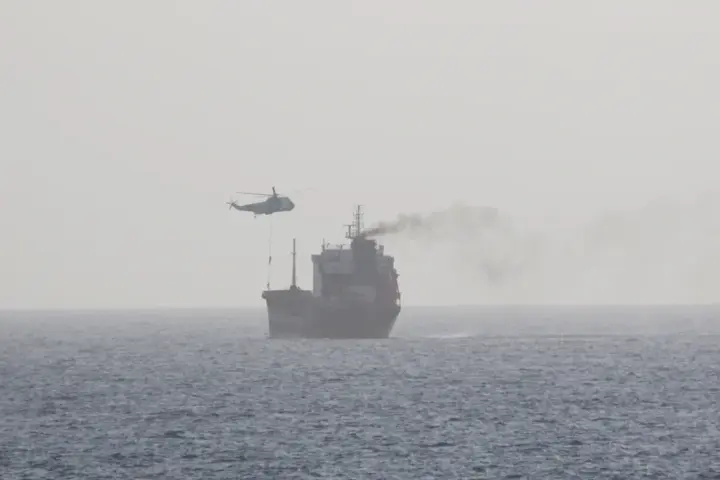
The Strait of Hormuz sits between Iran and Oman, running about 21 miles wide at its narrowest point. Recent maritime-risk notices and regional military statements have put traders back on alert for disruption around the Strait of Hormuz. Crude oil futures can move within hours when shipping risk rises in that corridor. The strait handles about 20.9 million barrels per day of crude oil, condensate and petroleum products in the first half of 2025, according to the U.S. Energy Information Administration. Any sustained disruption forces tankers to reroute around Africa’s Cape of Good Hope, adding 10 to 14 days per voyage before a single barrel reaches a U.S. refinery.
Wholesale fuel distributors adjust local terminal rack prices within 48 to 72 hours of a crude futures spike. Drivers should expect retail gasoline prices to rise by 10 to 25 cents per gallon at regional stations by early next week. For commercial couriers and daily commuters, this price jump creates an immediate $15 to $40 monthly increase in vehicle operating overhead, even without physical shortages at domestic refineries.
Global Shipping Realities vs. Domestic Pump Prices
The connection between Hormuz and the U.S. pump price runs through financial markets, not supply lines. Direct U.S. crude imports from the Persian Gulf are a small share of total refinery inputs. What rises first is not a physical shortage — it is the price of crude futures contracts. Wholesale distributors embed those higher prices into terminal rack rates within two days. Stations update their signs within another 24 hours.
A reroute around the Cape of Good Hope adds roughly 35 to 45 percent more marine fuel burn per voyage. That compounds shipping margins on top of the futures price move.
The U.S. holds one backstop tool. The Department of Energy can release crude from the Strategic Petroleum Reserve. Current SPR inventory stands at approximately 395 million barrels — well below the pre-2022 peak of 714 million barrels. Emergency drawdown capacity is mechanically capped at 4.4 million barrels per day, providing short-term market liquidity rather than months of price suppression. [LINK: What is the Strategic Petroleum Reserve and how does it work]
The clearest advance signals are the Energy Information Administration’s weekly petroleum status report and wholesale terminal rack price dashboards. [LINK: How to reduce fuel costs during a gas price spike] Both update before retail stations change their signs.
When pump prices move this week, U.S. refineries will not have run short of crude. Futures traders will have priced the risk of potential disruption, and distributors will have passed that pricing down within 72 hours. The political statements and the physical supply reality are two different things — and it is the financial chain that reaches your station first.
Retail gas prices are likely to move in the next two to three days. The scale of any increase depends on how long shipping disruption around Hormuz continues and whether futures markets sustain their reaction. The next OPEC+ ministerial response and the Department of Energy’s weekly petroleum status report will be the clearest indicators of what happens next. Check both before making decisions about fuel purchasing or fleet contracts.
FAQ
Can the U.S. use the Strategic Petroleum Reserve to lower gas prices? Yes. The Department of Energy can release crude from the Strategic Petroleum Reserve to stabilize markets. Emergency drawdown capacity is mechanically capped at 4.4 million barrels per day. The current SPR holds approximately 395 million barrels — well below its historical maximum — which limits how long any release can sustain meaningful price relief.
How much oil passes through the Strait of Hormuz daily? Roughly 20 million barrels of crude oil and petroleum products transit the Strait of Hormuz every day. That amounts to about 20 percent of total global liquid petroleum supply. Any significant sustained disruption to Hormuz shipping raises immediate concern about global supply availability and pushes crude futures higher within hours.
How quickly do gas prices rise after a Middle East oil disruption? Wholesale fuel distributors typically adjust terminal rack prices within 48 to 72 hours of a meaningful crude futures spike. Retail station prices follow within another 24 hours. Drivers in most U.S. regions can expect visible pump price changes within two to three days of a major Hormuz disruption.