Sunita Somvanshi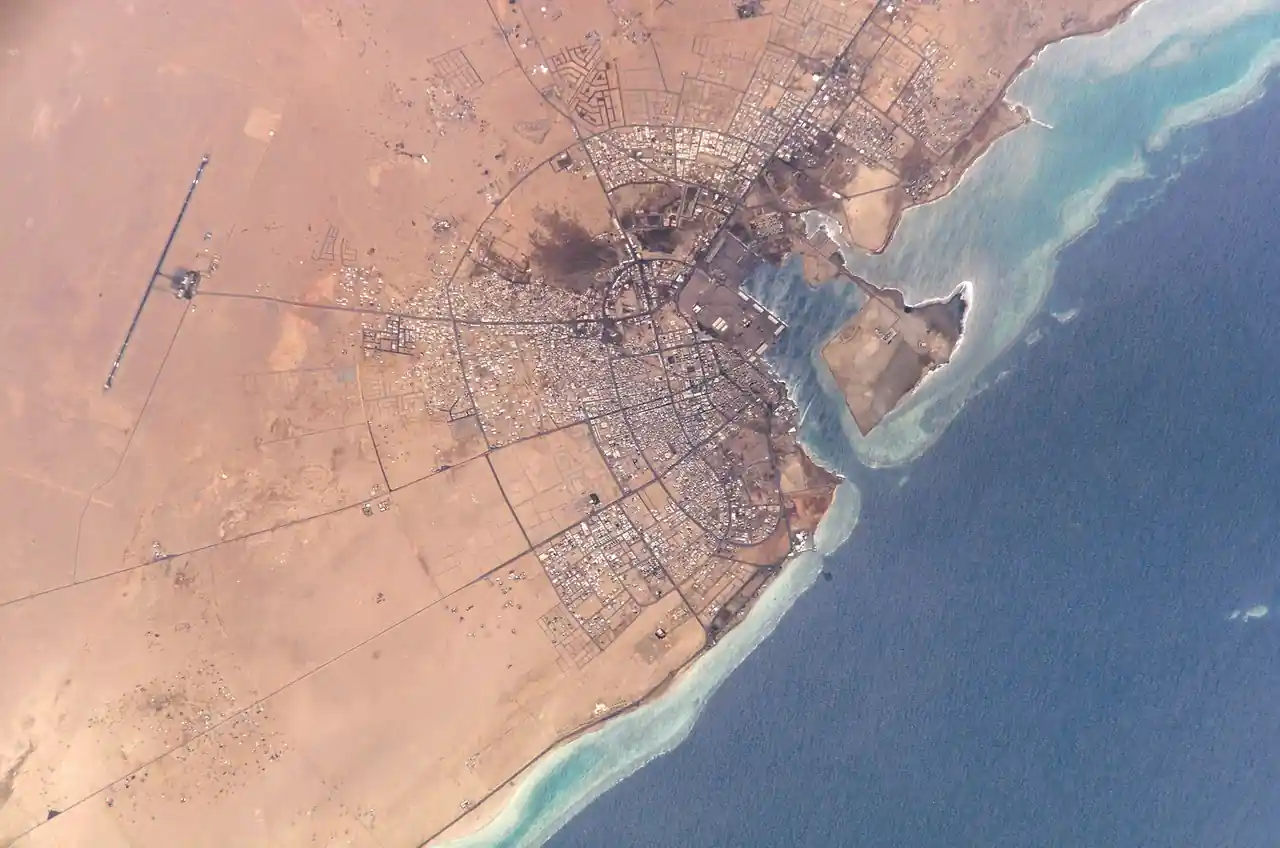
Saudi Arabia’s East-West Pipeline, an overland oil route carrying crude to the Red Sea, was shut down on September 10 after multiple attacks — and the timing raised immediate questions about global oil supply. The pipeline is one of Saudi Arabia’s principal alternatives for moving crude around the Strait of Hormuz. With Hormuz already under pressure from regional conflict, the disruption of this route in the same period meant both exits faced operational constraints simultaneously.
What Happened on September 10
Saudi Arabia’s Ministry of Energy confirmed that the East-West Pipeline, which runs through the Riyadh and Madinah regions, was subjected to multiple attacks on September 10. The pipeline was shut down as a precaution. Injuries were reported. Saudi authorities did not immediately announce when operations would resume.
The pipeline runs from the Eastern Province oil fields — where the bulk of Saudi crude is produced — westward to the port of Yanbu on the Red Sea coast. Under normal conditions it can move approximately 5 million barrels of oil per day, with a temporary maximum of around 7 million barrels per day.
What This Means for Households in the US, UK, and Australia
The pipeline serves as an important export route when shipping through the Strait of Hormuz becomes constrained. If the Red Sea alternative is disrupted at the same time as Hormuz, the pressure on global oil supply increases. That does not mean pump prices automatically rise by a specific amount the next morning. But it adds supply risk to a market that traders, refiners, and government forecasters are already watching closely.
The U.S. Energy Information Administration has tracked Saudi Arabia rerouting crude away from Hormuz through this pipeline to Yanbu — a route that keeps oil moving to Asian and European markets even during Gulf tensions. If both routes face operational problems at once, the pressure on global oil flows tightens.
The Pipeline as an Alternative Route
The East-West Pipeline can allow Saudi Arabia to move crude to the Red Sea without sending it through the Strait of Hormuz. The EIA documents that capacity: roughly 5 million barrels per day at standard operation, up to 7 million in a surge. For context, global oil demand runs at approximately 100 million barrels per day. Saudi Arabia’s pipeline capacity alone is not enough to replace Hormuz, but it is large enough that its absence is felt when the strait is also constrained.
A regional disruption targeting the pipeline during an active Hormuz constraint affects one of Saudi Arabia’s principal alternatives for moving crude around the Strait of Hormuz at a time when that chokepoint is already severely constrained.
The Significance of Simultaneous Disruptions
The infrastructure designed to provide an alternative route during a Hormuz constraint became disrupted during a period when that very constraint existed. This dual constraint — whether temporary or sustained — affects global energy markets because it reduces the redundancy that normally exists in Saudi export capacity.
That shift is the detail competitors have largely missed while covering this as a generic geopolitical escalation.
Why does the Saudi East-West Pipeline matter for oil prices? Saudi Arabia’s East-West Pipeline provides an alternative export route that bypasses the Strait of Hormuz, moving crude oil to the Red Sea port of Yanbu instead. When Hormuz is disrupted, the pipeline keeps Saudi exports flowing. The EIA puts its capacity at roughly 5 million barrels per day, making it significant in global supply terms.
How does Saudi Arabia bypass the Strait of Hormuz? Saudi Arabia routes crude oil through the East-West Pipeline, which runs from its Eastern Province oil fields westward across the country to Yanbu on the Red Sea coast. Oil shipped from Yanbu reaches Asian and European markets without passing through the Gulf or the Strait of Hormuz.
What happens to oil supply if both the pipeline and Hormuz are disrupted? If the East-West Pipeline and the Strait of Hormuz are both impaired at the same time, Saudi Arabia’s ability to export oil is constrained from two directions simultaneously. This increases the supply risk that traders and refiners use to price oil globally, though the eventual price effect depends on how long the disruptions last and what other producers can supply.
What Comes Next
Saudi Arabia has not announced a timeline for restarting the pipeline. The condition of affected sections of the infrastructure and the security assessment by Saudi authorities are the near-term developments that will determine whether this becomes a short disruption or a sustained constraint on Saudi export capacity. The EIA’s September outlook will provide analysis of the disruption’s effect on regional oil flows.