 Tejal Somvanshi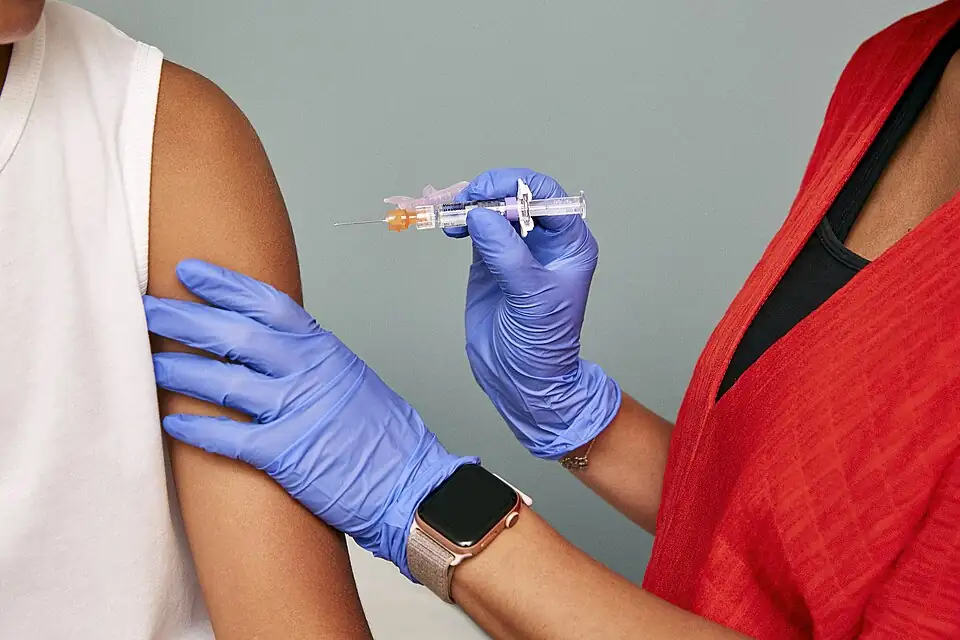
Pennsylvania is dealing with its worst measles outbreak in decades. As of September 11, 2026, health officials counted 676 confirmed measles cases across 37 counties throughout the state. That number includes 124 people hospitalized for serious complications. Three people have died from measles-related complications. The state hasn’t recorded any measles deaths in 35 years, making this outbreak historically significant.
What makes this situation so serious? Measles spreads through the air when infected people cough or sneeze. The virus is extremely contagious. An infected person can spread measles to multiple people in closed spaces. Someone with measles becomes dangerous about four days before the rash appears and stays contagious until nearly a week after the rash shows up.
The numbers tell a troubling story about vaccination rates in affected communities. Of the 676 cases, only four occurred among people who received two MMR doses as recommended. That’s less than one percent. The MMR vaccine, which protects against measles, mumps, and rubella, is 97% effective when someone gets both doses. When vaccination rates drop below certain thresholds in communities, the virus finds unvaccinated people easily.
Who died from this outbreak? The deaths occurred in unvaccinated individuals. One involved a death confirmed on August 25, 2026. The state said the fatal cases lacked vaccine protection. Measles can cause serious complications in vulnerable populations. It can attack the respiratory system and cause pneumonia. In severe cases, it can affect the brain and nervous system. People with weak immune systems and very young babies face higher risks.
The symptoms appear in stages. First comes fever, cough, runny nose, and red, watery eyes lasting three to four days. Then a red, blotchy rash appears, usually starting on the face and spreading downward. During those first four days before the rash, someone with measles looks like they have a cold, making it easy to spread unknowingly.
Pennsylvania health officials mobilized aggressively. The state organized more than 120 pop-up vaccination clinics in affected communities. These mobile clinics administered over 4,100 MMR vaccines to local residents. State health centers gave out more than 6,200 MMR doses during 2026. The goal is straightforward: get unvaccinated people vaccinated before they encounter infected individuals.
Why aren’t more people vaccinated? Various reasons exist. Some parents follow vaccine hesitancy information they find online. Some communities have cultural or religious objections. Some people simply missed vaccination opportunities. But measles doesn’t respect personal beliefs. It killed thousands of American children before vaccines existed in the 1960s. Countries with high vaccination rates haven’t seen measles deaths in years.
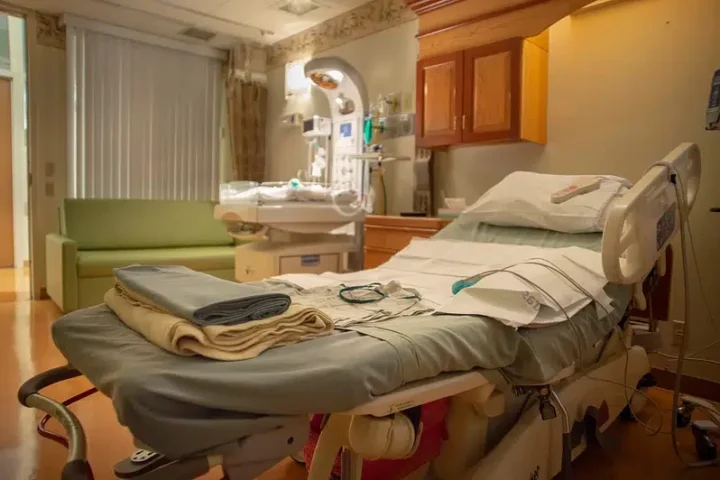
The outbreak primarily affects unvaccinated populations, but broader consequences exist. Hospital beds get filled with measles patients, straining healthcare resources. Babies too young for vaccination depend on community immunity to stay safe.
If you suspect measles, health officials advise calling ahead before visiting a doctor or emergency room. Arriving unannounced means potentially infecting others in waiting rooms. Fever, cough, runny nose, and a distinctive rash should prompt immediate medical contact.
The vaccine remains the best defense. Two MMR doses, properly spaced, gives 97% protection. That one percent of vaccinated people who still get measles typically experience milder disease. The unvaccinated face severe outcomes, hospitalization, and in rare cases, death.