 Sunita Somvanshi
—
A new pill for one of the deadliest cancers just got federal approval — and its price tag is making headlines almost as much as its results.
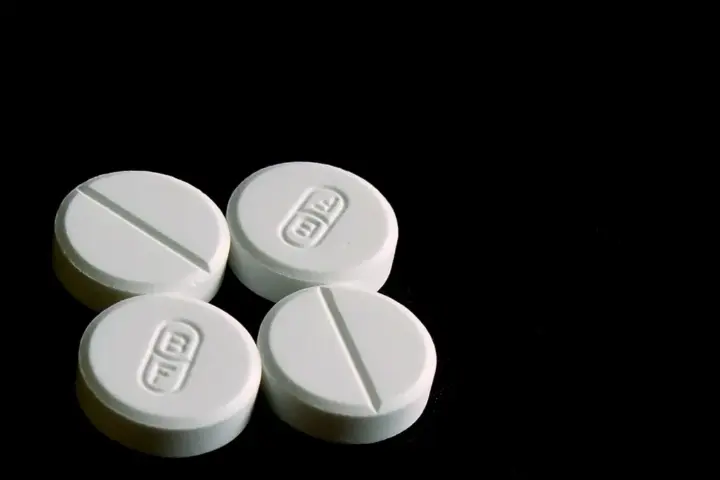
The U.S. Food and Drug Administration approved daraxonrasib on August 26, 2026. The drug is sold under the brand name Rasonque, made by a California company called Revolution Medicines. It’s approved for adults with metastatic pancreatic cancer who’ve already tried at least one prior treatment and seen it stop working.
Here’s why this matters. Pancreatic cancer kills roughly 50,000 Americans every year out of about 65,000 newly diagnosed cases. When it spreads to other parts of the body — which is when it’s called metastatic — the five-year survival rate sits at about 3%. That’s not a typo. Most people diagnosed at that stage live less than a year on current treatments.
The clinical trial behind this approval is called RASolute 302. It was led by Dr. Brian Wolpin of Dana-Farber Cancer Institute and enrolled 500 patients across North America, Europe, and Asia. In the trial, patients who took daraxonrasib lived a median of 13.2 months. Those who received standard chemotherapy instead lived a median of 6.7 months. That’s almost double the survival time. The risk of dying during the study period was 60% lower with the drug compared to chemo — a figure researchers express as a hazard ratio of 0.40. The tumor response rate was also dramatically different: 31.6% of daraxonrasib patients saw their tumors shrink or disappear, compared to 11.2% with chemotherapy.
Dr. Wolpin called the results a “landmark advance,” and the data backs that description. More than 90% of pancreatic cancer patients have a mutation in a gene called KRAS that drives the cancer’s growth. For decades, scientists knew this but couldn’t figure out how to block it — KRAS was labeled “undruggable.” Daraxonrasib is the first approved broad RAS-targeted therapy for pancreatic cancer, relevant because over 90% of pancreatic cancer patients carry cancer-driving KRAS mutations.
Then there’s the price. Revolution Medicines set the wholesale cost at $39,800 for a 30-day supply of the once-daily oral tablet. Over a full year, that works out to roughly $477,600 to $483,990 depending on how it’s calculated — more than double the list price of Merck’s Keytruda, currently the world’s top-selling cancer drug. For context, the average American household income sits well below $100,000.
The company does offer financial assistance. Commercially insured patients who qualify may pay as little as $0 through a copay assistance program. Patients who are uninsured or underinsured and meet income requirements can receive the drug at no cost. Revolution Medicines’ chief financial officer projected gross-to-net discounts of 20 to 30% — meaning the effective price to insurers and government programs may be lower, though individual patient out-of-pocket costs will depend on their specific coverage.
Research is also ongoing in other cancer types. Early data presented at oncology meetings showed promising signs in patients with RAS-mutant non-small cell lung cancer — a far more common disease — though that indication hasn’t yet been approved.
The drug works by blocking the RAS protein while it’s in its active state inside the cell. Earlier targeted cancer drugs could only target one specific type of RAS mutation. Daraxonrasib works against multiple RAS variants, which is why researchers believe it may be harder for tumors to develop resistance to it.
For patients who’ve run out of other options, this approval opens a door that didn’t exist before.
— —