 Tejal Somvanshi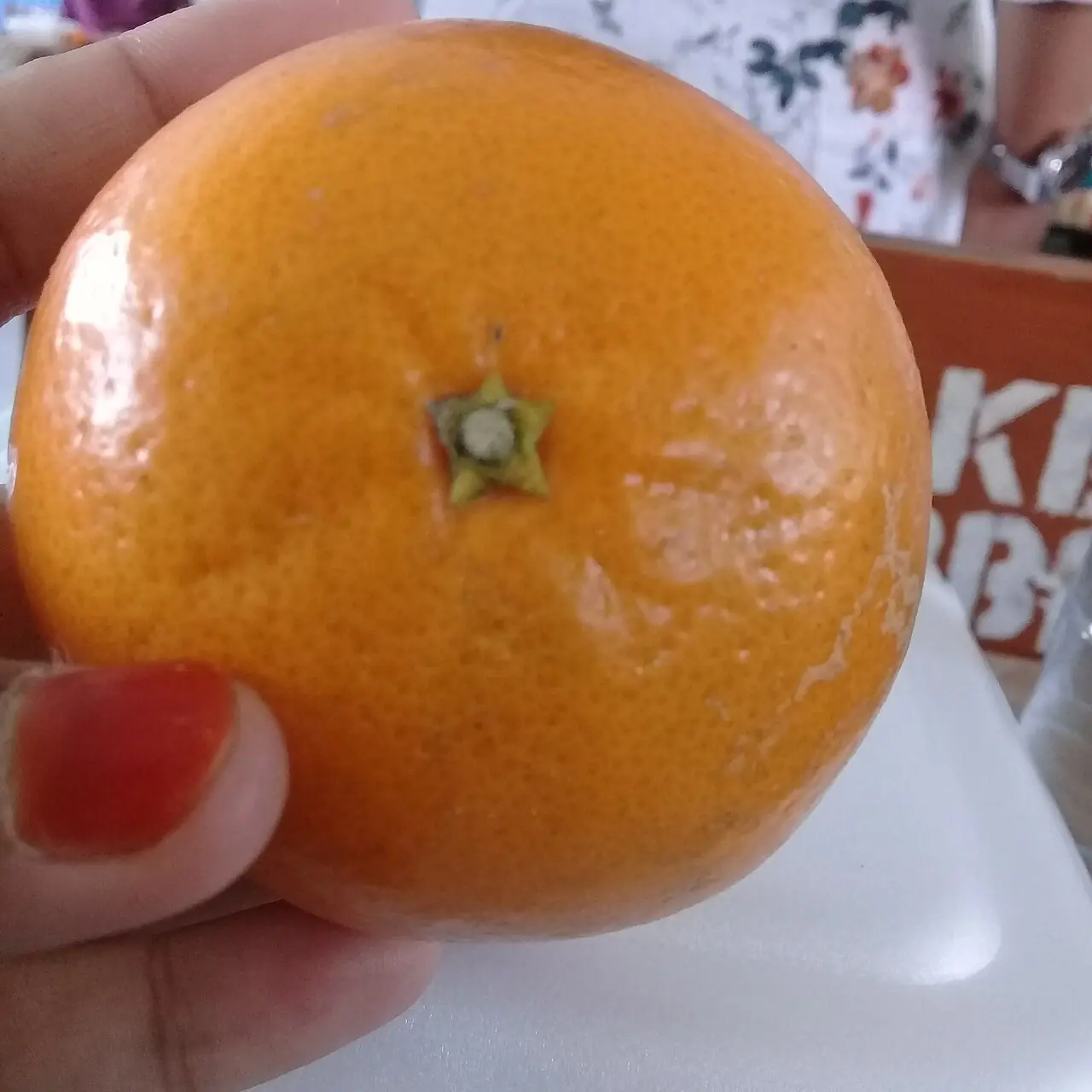
A six-year-old Queensland boy died following cardiac arrest, with the Queensland Coroners Court finding severe vitamin C deficiency was the likely underlying factor. The official findings were released on August 28, 2026.
The child experienced cardiac arrest following a general anaesthetic. The coroner's investigation identified severe vitamin C deficiency as the likely underlying factor in this event.
The case draws attention to how multivitamin supplements—even those taken regularly—may not deliver all essential nutrients if the label doesn't list them. The boy had been taking a multivitamin, but the label did not include vitamin C among its ingredients. Queensland Health confirms that vitamin C is one of 13 essential vitamins the human body requires but cannot produce in sufficient quantities on its own.
Vitamin C deficiency leads to a condition called scurvy, characterized by weakness, joint and muscle aches, bleeding gums, poor wound healing, and in severe cases, cardiac complications. Historically, scurvy affected sailors on long voyages who lacked access to fresh fruits and vegetables. The disease nearly vanished from developed nations during the twentieth century but remains a concern in populations with severely restricted diets.
The case highlights an important oversight: parents administering a multivitamin supplement to their child may reasonably assume the product covers all essential vitamins. Parents and caregivers should verify that multivitamins actually contain specific nutrients critical for their child's health.
Scurvy develops gradually. Early symptoms include fatigue, joint pain, and swollen gums. As deficiency worsens, bleeding, poor wound healing, and cardiac stress can develop. Testing for vitamin C levels is not part of routine childhood medical screening.
Parents should ensure their child's diet includes regular sources of vitamin C such as citrus fruits, berries, kiwis, tomatoes, and leafy greens, or discuss supplementation directly with their pediatrician.