 Sonali Tiwary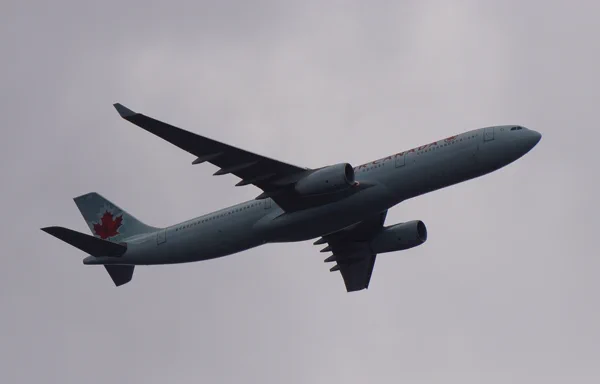
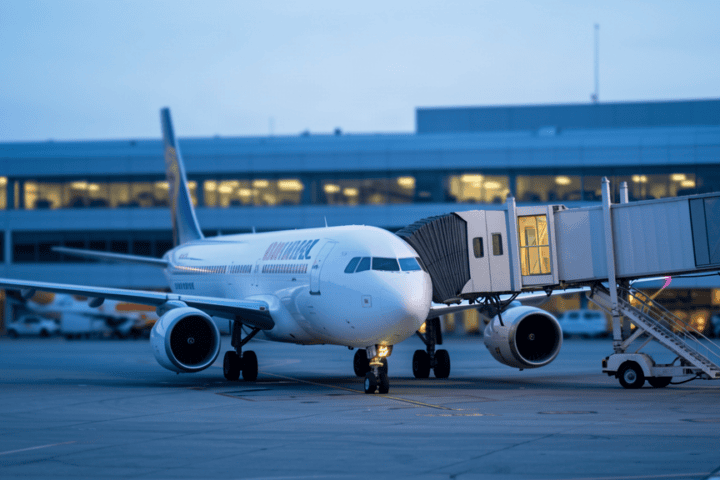
Air Transat Flight 236, departing Toronto for Lisbon on August 24, 2001, became a masterclass in crisis management. The aircraft was crewed by Captain Robert Piché, with 16,800 total flight hours and 796 on the Airbus A330, and First Officer Dirk DeJager, who had 4,800 total hours and 386 on the A330. Both were experienced glider pilots — a detail that mattered.
The fuel leak no one caught
The fuel leak began at 04:38 UTC, three hours and 46 minutes into the flight, in the right engine’s fuel line. The root cause was a small but catastrophic oversight: during maintenance, a hydraulic pump from an older Rolls-Royce engine model had been installed without completing a required service bulletin. The misalignment was only a few millimeters, but it was enough. Over time, the fuel line chafed against the hydraulic line until a crack formed.
At 05:04 UTC, the crew noticed abnormal oil indications on the right engine. Instead of following the Fuel Leak checklist — which would have immediately shut down fuel transfer — they performed a fuel transfer to try to balance the load. That decision, made without full understanding of what was happening, accelerated the leak rate to approximately 13.8 metric tons per hour (13,800 kg per hour), according to the Portuguese accident report.
Forty-one minutes passed between the first abnormality and the realization that the situation was far worse. At 05:45 UTC, with fuel below the minimum required to reach Lisbon, Captain Piché initiated a diversion to Lajes Air Base in the Azores.
The 19-minute glide
The right engine flamed out at 06:13 UTC, 150 nautical miles from Lajes at 39,000 feet. Thirteen minutes later, at 06:26 UTC, the left engine also flamed out — 65 nautical miles from Lajes Air Base. Captain Piché declared Mayday at 06:23 UTC.
What happened next remains the longest unpowered glide in commercial aviation history. For 19 minutes — from the moment the left engine failed at 06:26 until touchdown at 06:45 — pilots Piché and DeJager nursed a deadweight Airbus A330 toward Lajes. They had no engines, no hydraulic power, and no radar — just the airfield ahead and years of glider training guiding their hands.
The aircraft touched down on runway 33 at 06:45 UTC, traveling roughly 200 knots on approach. It bounced once, the tires burned, and it stopped 7,600 feet down a 10,000-foot runway. Sixteen passengers and two crew members sustained minor injuries during the emergency evacuation — all minor. No fatalities occurred.
Pilots with glider experience
Captain Piché’s background in glider flying proved decisive. In an interview with BBC, he explained: “In a glider, you learn to read the air. You learn to feel the aircraft. When you’re at flight idle and floating with the wind, you learn how to stretch every bit of energy.” That skill translated directly to managing an airliner without engine power.
First Officer DeJager’s glider credentials were equally relevant. Together, they calculated their glide ratio and determined they could make it to land — but only if they managed every ounce of remaining energy perfectly.
Investigation and lessons learned
Accident investigators from the Portuguese Aviation Accidents Prevention and Investigation Department, with support from Canada’s Transportation Safety Board and France’s BEA, determined that the root cause was maintenance error during a prior engine replacement. The FAA’s Lessons Learned report concluded: “had the crew taken actions required by the FUEL LEAK checklist when the fuel loss was first recognized at 05:53, the aircraft would not have run out of fuel before reaching Lajes.”
The investigation revealed 12 findings as to causes and contributing factors, 18 findings as to risk, and 7 other findings. Key recommendations included:
Legacy
Air Transat accepted responsibility for the incident and paid a fine of $250,000 Canadian dollars. The aircraft, later nicknamed the “Azores Glider,” was repaired and returned to service before eventual scrapping. The story of Flight 236 continues to be studied in flight schools and pilot training programs worldwide as a case study in emergency management and crew resource management.
The aircraft, registration C-GITS, is preserved in an aviation museum near Montreal, where visitors can walk through the cockpit and cabin that carried 306 people across 120 kilometers of ocean — with no engines at all.
As the 25th anniversary passes on August 24, 2026, the landing at Lajes remains the longest unpowered glide of a commercial airliner in aviation history — a testament to training, quick thinking, and the margin of safety built into modern aircraft design.