 Sonali Tiwary
 Karmactive Team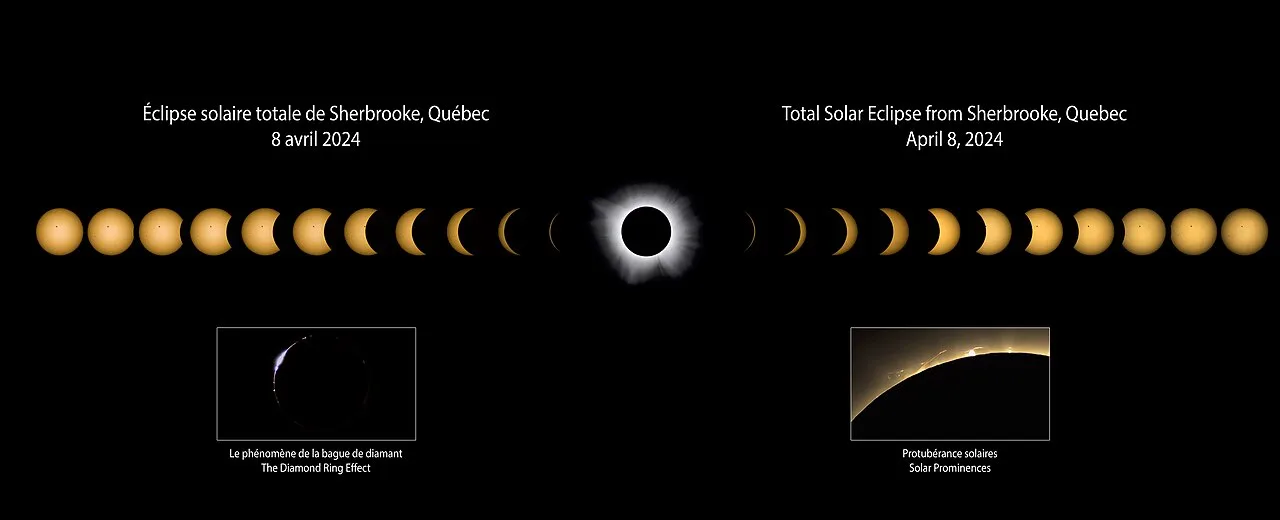
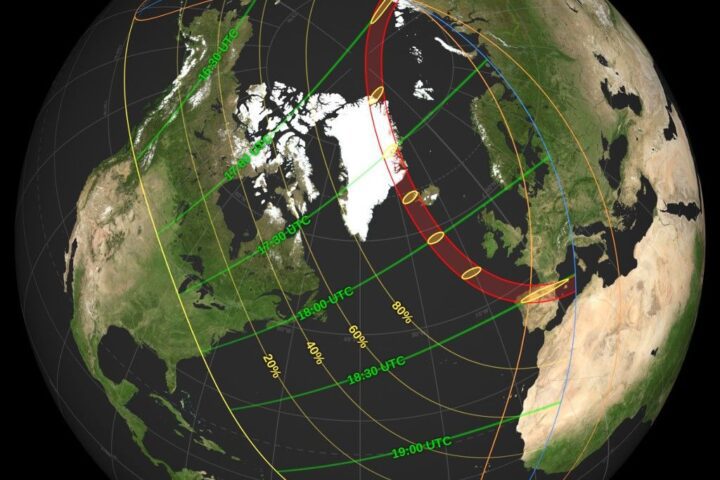
The total solar eclipse on August 12 will darken skies across Greenland, Iceland, northern Spain, and parts of Portugal. Approximately 15 million people live directly in the path of totality. Millions more across Europe and North America will see a partial eclipse. And millions of those viewers will buy eclipse glasses online—many of which won’t protect their eyes at all.
Counterfeit eclipse glasses are flooding online marketplaces. They look legitimate. They have “ISO 12312-2” printed on the cardboard. They may even list legitimate manufacturers’ names or copy official-looking certificates. But they haven’t undergone actual testing. And wearing them can cause permanent blindness.
Solar retinopathy is the medical term for permanent retinal damage caused by solar radiation exposure. The retina has no pain receptors. Solar retinopathy occurs without any warning. There is no sensation while it is happening.
During the 2017 total solar eclipse in North America, a young woman was diagnosed with solar retinopathy in both eyes after viewing through eclipse glasses that doctors believe were not held to proper safety standards. Her case became a clinical precedent—permanent retinal damage from substandard eclipse protection. There is no cure.
ISO 12312-2 is an international safety standard developed by the International Organization for Standardization and published in 2015. It specifies transmittance requirements for solar filters used to observe the sun directly with the naked eye. Every number in the standard has a physiological basis. Genuine compliance protects you completely. Fake compliance protects you not at all.
The counterfeit problem is real and growing. Before the 2024 total solar eclipse in North America, unverified glasses flooded Amazon and other online retailers. Similar patterns appeared before 2017. Industry experts expect the August 2026 eclipse—visible across Europe—will see worse counterfeiting. Demand will spike. Desperate late buyers will turn to sellers offering rock-bottom prices.
Red flags for counterfeit glasses include: prices far below reputable brands (often under $1 wholesale), no verifiable manufacturer identity, missing serial numbers or batch codes, sellers unable to answer which lab tested the product, and claims of “NASA approval” (NASA does not approve eclipse glasses—it’s a space exploration agency, not a product certifier).
The American Astronomical Society maintains an official list of suppliers complying with ISO 12312-2. That’s the authoritative resource, not generic online marketplace searches. Established manufacturers with documented compliance histories offer legitimate protection. Pop-up sellers with no history should raise immediate suspicion.
Legitimate solar eclipse glasses reduce sunlight across all relevant bands—ultraviolet, visible, and infrared—to safe levels. Counterfeit products fail under testing: too much visible light leaks through, UV protection is inadequate, or lamination is damaged.
For observers in the US, totality won’t be visible during this eclipse, so protection is required throughout. The only moment when eclipse glasses aren’t needed is during totality on the path of totality—those brief seconds when the moon completely blocks the sun. Everywhere else, for all partial phases, ISO 12312-2 certified protection is mandatory.
Indirect viewing methods exist for those without glasses. A pinhole projector made from a cardboard box and aluminum foil works. Colanders, straw hats with small holes, or even crossed fingers creating a waffle pattern all safely project the eclipse onto a surface for viewing.
Buy certified glasses now. Test them by shining a flashlight through to check for dangerous pinholes. Discard any damaged filter. Plan your eclipse viewing at locations with clear skies. And remember: even 1% of the sun’s surface visible outside totality emits enough radiation to permanently damage your eye’s light-sensitive cells.
The eclipse will last only minutes. The potential blindness would last forever.