 Sunita Somvanshi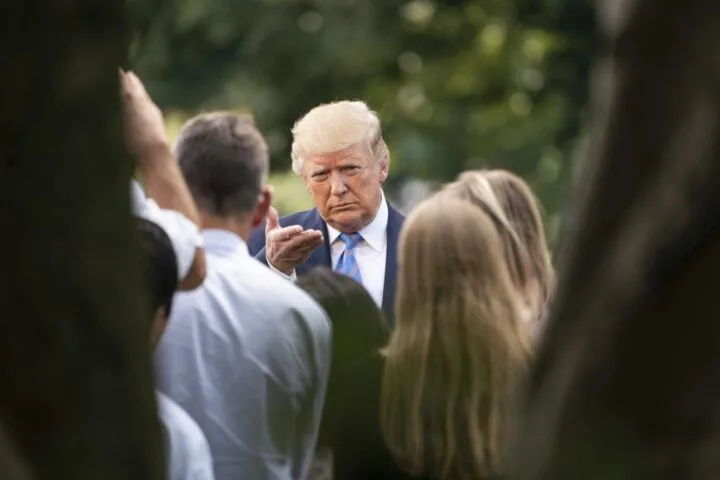
President Donald Trump has intensified pressure on major oil companies to cut retail gasoline prices, accusing ExxonMobil and Chevron of making excessive profits from the Iran conflict. On August 3, 2026, Trump called out both firms directly, saying they are profiting too much from the geopolitical situation and should pass savings to consumers.
The backdrop is significant. U.S. crude oil prices have remained elevated due to ongoing tensions with Iran that began in late February 2026. These tensions included military strikes and ceasefire periods that kept oil supplies uncertain and prices high. ExxonMobil reported $14.53 billion in quarterly profit for the second quarter of 2026, more than double its year-ago result of $7.1 billion. Chevron posted $12.07 billion for the same period, nearly five times its year-ago figure.
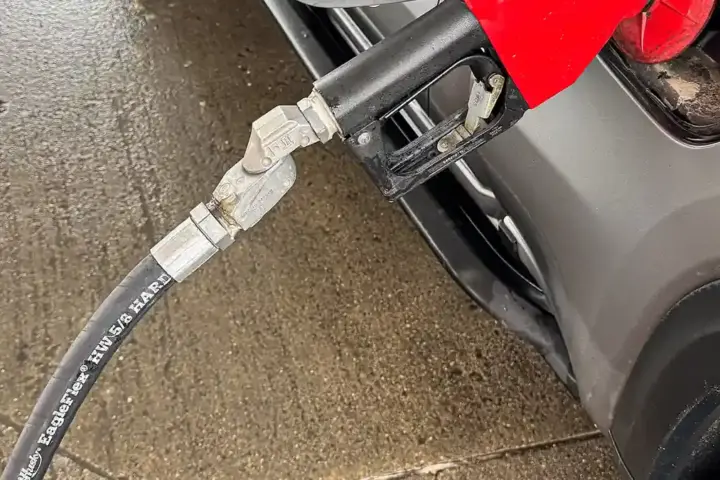
Meanwhile, American drivers have felt the impact at the pump. The national average price for regular gasoline reached approximately $4.10 per gallon on August 1, 2026. This represents roughly a 37.6 percent increase from $2.98 per gallon on February 27, the day before the Iran conflict erupted. Every fill-up has become a stark reminder of how quickly geopolitical events ripple through household budgets.
Trump specifically criticized Chevron CEO Mike Wirth in Truth Social posts, saying Wirth failed to acknowledge how the Trump administration’s pro-fossil fuel policies contributed to the company’s strong performance. Wirth had recently appeared on Fox Business Network promoting his company’s strong quarterly results without mentioning the role of administration policies.
The situation reveals a tension in Trump’s approach. His administration has actively encouraged increased oil and gas drilling and supported policies favoring the energy sector. Yet when crude prices spike and companies profit significantly, Trump demands they voluntarily lower consumer prices. This creates an awkward dynamic between his push to maximize domestic production and his demands that companies limit profits during price spikes.
However, industry experts note a complication: major oil companies like Exxon and Chevron don’t directly set pump prices at gas stations. According to the American Petroleum Institute, fewer than 5 percent of U.S. gas stations are owned directly by these major oil companies. The vast majority are independent retailers who set prices based on what they’ll pay for their next fuel shipment, local competition, labor costs, rent, and other operational expenses. Many convenience store owners actually earn more profit selling coffee and snacks than gasoline itself.
The American Petroleum Institute, representing the oil industry, countered that current prices are driven by global supply and demand factors plus uncertainty around the Strait of Hormuz, not individual company decisions. Oil prices are set globally in commodity markets, and retail gasoline prices are determined locally by individual station owners responding to market conditions.
Notably, crude oil prices did drop roughly 5 percent almost immediately after Trump suspended planned military strikes on Iran over the weekend, suggesting markets are sensitive to geopolitical signals. However, pump prices typically lag behind crude price changes. This situation underscores how consumer costs at the pump connect to international events that people may feel are beyond their control. For drivers facing higher fuel expenses, understanding the chain of events from geopolitics to crude prices to retail prices helps clarify why gas costs what it does.