 Sunita Somvanshi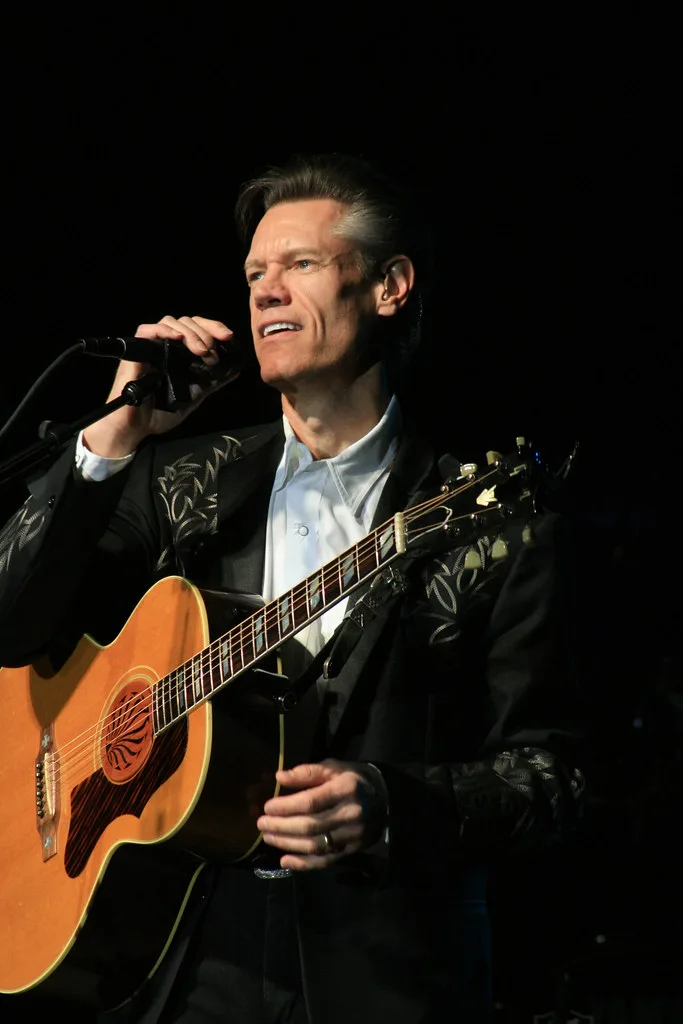
Country music legend Randy Travis made a surprise visit on July 31, 2026, to a longtime fan battling cancer at City of Hope Chicago, one of the nation’s leading cancer treatment centers. The unexpected encounter provided an emotional moment for Bunnia Greenwood, a patient who has faced multiple cancer diagnoses and was given a wish list of possible visitors.
The hospital’s request to Travis was initially modest—they asked if he would participate in a video call to the patient. Travis refused, insisting instead on visiting in person. Despite his own significant health challenges, Travis showed up at the hospital in a wheelchair, accompanied by his wife Mary Davis, to spend personal time with Greenwood.
Travis’s medical history makes his dedication particularly remarkable. In July 2013, the legendary performer suffered a stroke linked to presumptive cardiomyopathy and congestive heart failure. Medical professionals gave him less than a 1 percent survival chance. His recovery has been extraordinary but ongoing—he lost some verbal abilities due to aphasia from the stroke. Yet Travis has continued to perform. He embarked on the “More Life” tour in 2025 with accompanist James Dupré, which extended into 2026. A video from April 2026 showed Travis receiving a standing ovation during a performance, demonstrating his resilience.
Greenwood’s battle has been severe. The cancer patient has faced not one diagnosis but multiple cancer challenges. During the hospital visit, Travis’s presence and the music therapy benefits of such personal connections provided emotional and psychological support. Research on cancer patients and healing shows that positive emotional experiences during treatment can significantly impact overall wellbeing and recovery prospects.
The visit exemplifies how celebrity visits in hospital settings can provide more than momentary distraction. For patients enduring grueling cancer treatments, encounters with inspirational figures—particularly someone like Travis who has overcome catastrophic health challenges—can offer hope and perspective.
City of Hope Chicago operates as part of the larger City of Hope network, recognized nationally for innovative cancer care. The hospital’s willingness to facilitate personal connections between patients and supportive figures reflects a broader understanding that emotional support complements medical treatment. For Greenwood, meeting Travis provided tangible evidence that recovery and meaningful life are possible even after facing seemingly insurmountable odds.
Travis’s continued visibility and engagement in public life, despite his own ongoing health recovery, make him a powerful symbol of resilience. His insistence on visiting in person—rather than taking the easier route of a video message—sent a clear message: genuine human connection matters, especially when someone is fighting for their life.