Sunita Somvanshi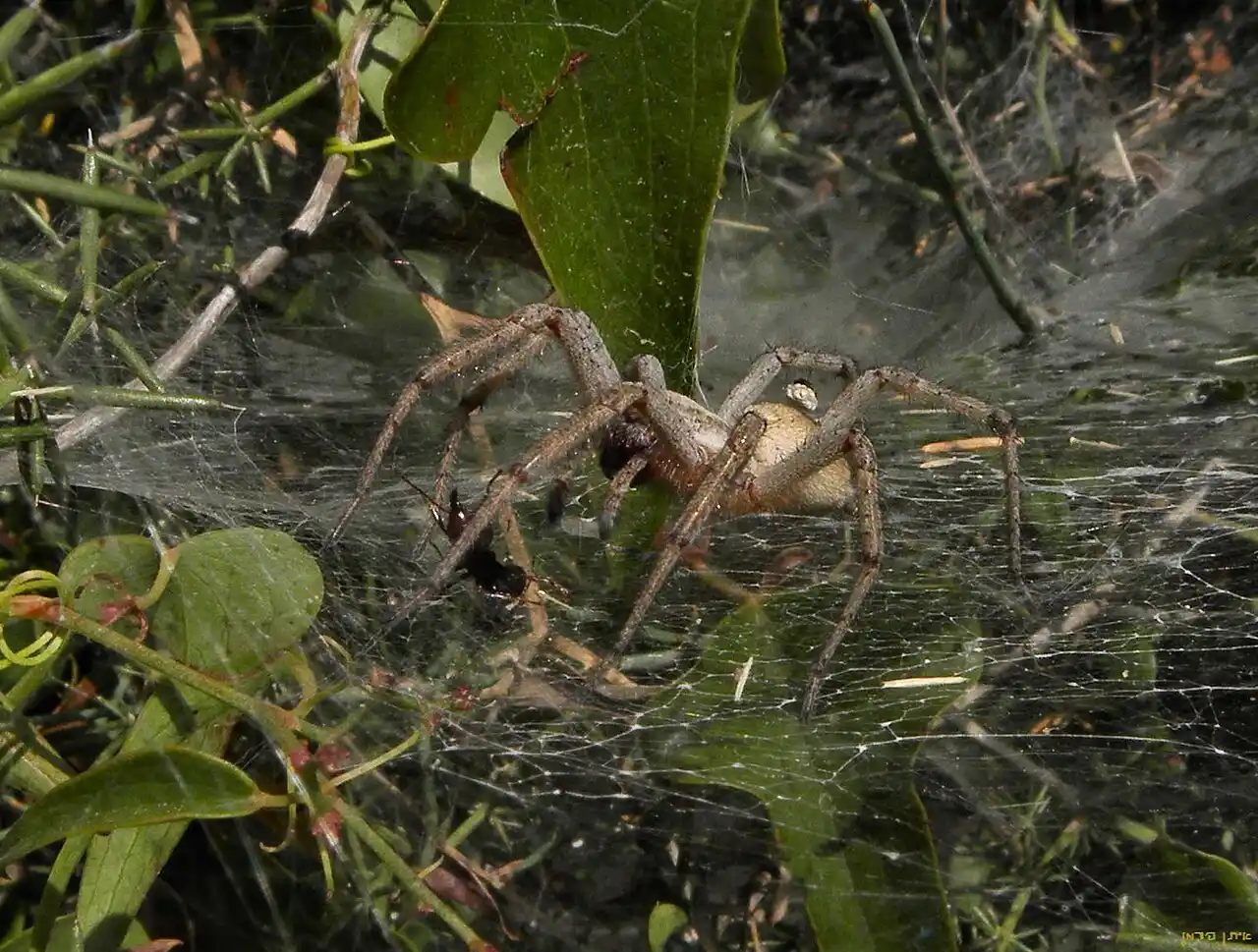
What began as a family camping trip in May 2026 became a life-or-death medical emergency for Kansas mother Britagne Miller, who was bitten by venomous spiders at Cheney State Park, located approximately 35 miles west of Wichita. Miller, mother of four children aged 9 to 15, was sitting at the campfire when multiple spiders bit her, initiating a cascade of medical complications that threatened her life.
The initial symptoms seemed manageable. Four days after the incident, swelling appeared on her calf. However, what followed was not typical spider bite treatment. The venom triggered blood clots in her legs, a serious and potentially fatal complication. Miller was hospitalized on June 4, 2026, at Wesley Medical Center in Wichita.
The situation deteriorated rapidly. Her pre-existing clotting disorders exacerbated the venom’s effects. The blood clots led to sepsis—a life-threatening systemic infection response. Sepsis progressed to liver failure, one of the body’s most critical organs. Hospital staff told Miller’s family that she had anywhere from three days to one month to live. A liver transplant became the only viable treatment option.
Miller spent approximately one month in intensive care while waiting for a donor organ. When a liver became available, transplant surgeons performed the operation. Today, Miller is recovering, though the financial and emotional toll has been profound. Her family, including her husband Jake, faced crushing medical expenses—the total costs exceeded $500,000. Jake lost his job during his wife’s hospitalization while caring for their children and maintaining vigil at the hospital.
The spider species is suspected to be a brown recluse, known for its potent venom that can cause necrotic lesions and systemic effects. Venomous spider emergencies are rare, but when they occur, swift medical intervention is critical. Dr. Raymold Cloyd at Kansas State University, a leading authority on venomous arthropods and spider identification, has studied such cases extensively.
The family turned to fundraising to manage expenses. Community support through crowdfunding helped offset some costs, though the financial burden remains substantial. Miller’s case illustrates how outdoor activities carry hidden risks. Cheney State Park, a popular camping destination for Kansas families, is habitats where brown recluse spiders are occasionally encountered, particularly in warmer months and around brush or camping supplies.
For families planning camping trips, experts recommend checking camping gear, keeping spiders away from sleeping areas, and knowing the signs of serious spider bite complications. While most spider bites are harmless, those involving Brown recluse venom can cause tissue necrosis and systemic complications requiring immediate hospital care. Miller’s story serves as a stark reminder that camping safety extends beyond weather and wildlife awareness to include protection from smaller but potentially deadly creatures.