Karmactive Team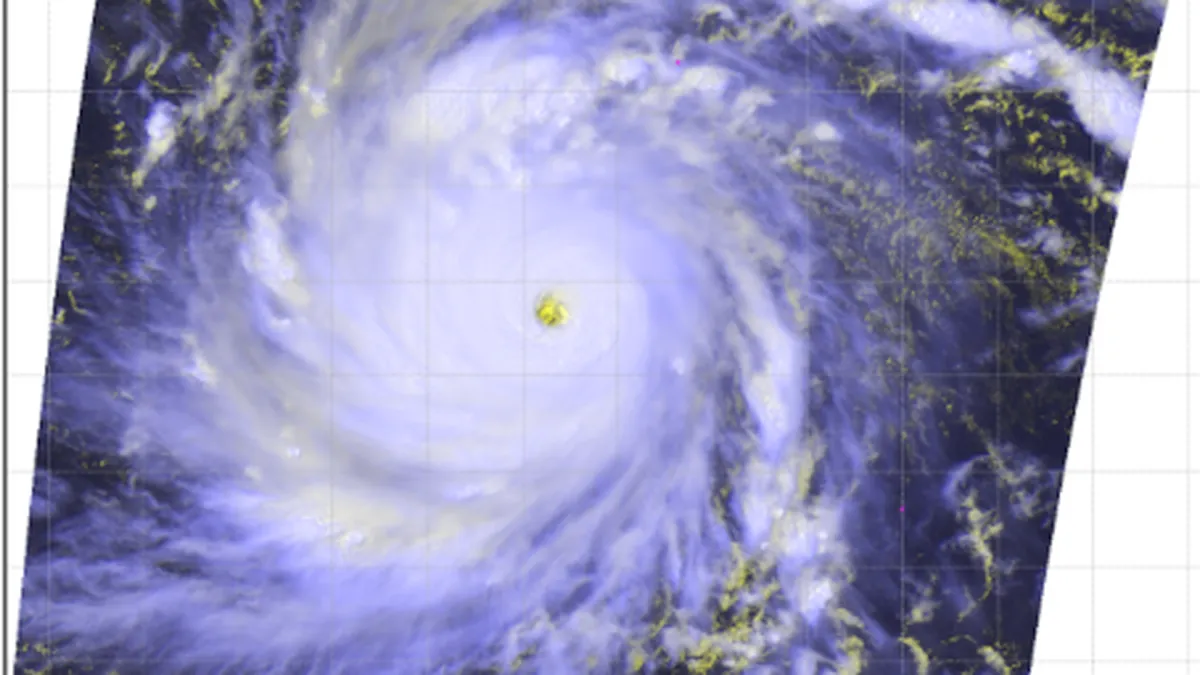
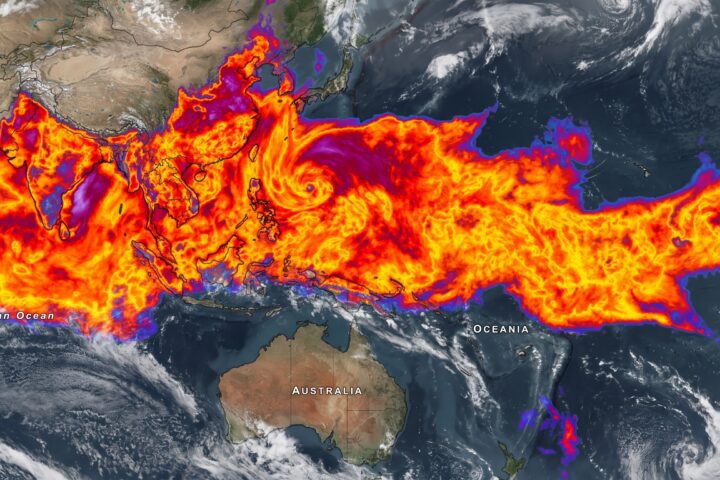
Super Typhoon Dolphin has reached peak intensity over the western Pacific Ocean in 2026, becoming one of the most powerful tropical cyclones of the season. The Japan Meteorological Agency and the Joint Typhoon Warning Center confirm maximum sustained winds exceeding 160 mph (257 km/h), placing it squarely in the Category 5 super typhoon category as it tracks toward densely populated island nations.
Storm Intensity and Track
Typhoon Dolphin intensified rapidly over sea surface temperatures that were 2–3°C above the seasonal average in the Philippine Sea. The storm’s eye wall — a ring of the most violent winds surrounding the calm centre — spans approximately 50 km in diameter, indicating a compact but powerful system. Current track projections from the Japan Meteorological Agency show Dolphin making potential landfall across Luzon in the Philippines before curving northward toward Taiwan and southern Japan.
Affected Regions
Millions of residents across the western Pacific are preparing for the storm’s approach:
- Philippines — Luzon province faces the highest immediate risk; evacuation orders issued in coastal and low-lying areas
- Taiwan — authorities are on standby with typhoon preparedness measures activated
- Japan (Okinawa and Kyushu) — the Japan Meteorological Agency has issued typhoon warnings for southern islands
Storm Surge and Rainfall
Beyond the destructive winds, storm surge poses the greatest threat to life in coastal communities. Forecasters predict surge heights of 3 to 6 metres above normal tide in the most exposed coastal areas. Rainfall totals of 200–400 mm (8–16 inches) are expected over a 24-hour period, raising significant risks of flash flooding and landslides on steep terrain — a consistent danger in the mountainous topography of the Philippines and Taiwan.
Regional Disaster Response
The Philippine Disaster Risk Reduction and Management Council (NDRRMC) pre-positioned relief goods and deployed rescue teams to high-risk provinces ahead of the storm. Fishing communities were ordered to return to port immediately, and international airports in the projected impact zone issued storm closure advisories.
Climate and Frequency Context
The western Pacific is the world’s most active typhoon basin. Each year, between 25 and 35 named tropical cyclones form in the region. Researchers note that while the total count of typhoons has not dramatically increased, the proportion reaching super typhoon intensity has grown as ocean heat content rises, consistent with global climate projections.
External Sources: Japan Meteorological Agency | World Meteorological Organization