 Govind Tekale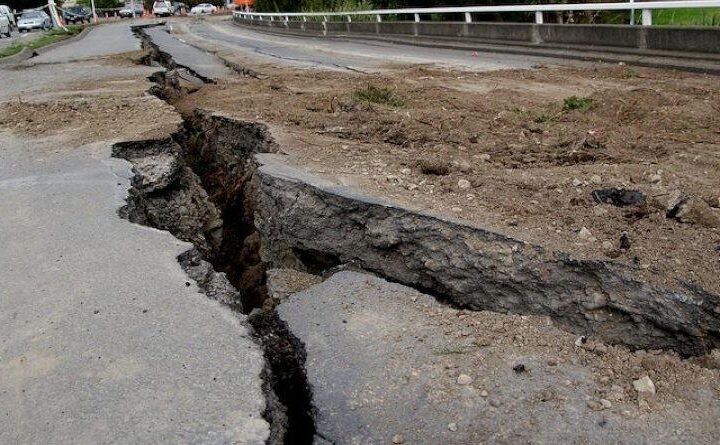
A powerful 7.1-magnitude earthquake struck Kumamoto Prefecture, Japan, on July 28, 2026, killing at least 13 people and triggering more than 400 aftershocks within 72 hours. The quake has left tens of thousands homeless and caused widespread infrastructure damage across southern Japan.
According to the Japan Meteorological Agency (JMA), the initial tremor struck at 4:42 p.m. local time at a depth of 10 kilometres. The shallow depth amplified shaking across a wide region, sending tremors as far as Osaka and Fukuoka.
Scale of Destruction
More than 31,800 residents have been evacuated to emergency shelters across Kumamoto and neighbouring prefectures. At least 43 medical facilities reported structural damage, complicating disaster response. The AEON Mall Kumamoto, one of the region’s largest shopping centres, suffered partial structural collapse — trapping several shoppers before rescue teams freed them.
Al Jazeera’s live reporting confirmed widespread utility outages affecting hospitals and elderly care facilities. Emergency crews from across Japan have been deployed as part of the national disaster response protocol.
Government and Safety Response
Japan’s Prime Minister called an emergency cabinet meeting within hours of the quake. The U.S. Embassy in Japan advised American citizens to check on family and avoid non-essential travel to affected zones.
Seismologists note that Kumamoto sits atop a network of active fault lines, as highlighted in a 2022 study in the National Library of Medicine documenting Japan’s complex seismic geography. Residents are advised to prepare emergency kits and stay away from coastal zones in case of secondary tsunami threats, though no official tsunami warning has been issued.
Recovery Outlook
With aftershocks continuing to rattle the region, structural engineers are conducting rapid assessments of bridges, roads and public buildings. The government has pledged emergency reconstruction funding, while international aid organisations have offered assistance.
Japan’s experience with frequent seismic events means disaster protocols are well-established — but the scale of this event, the largest to hit Kumamoto since 2016, will test those systems for weeks to come.