Karmactive Team
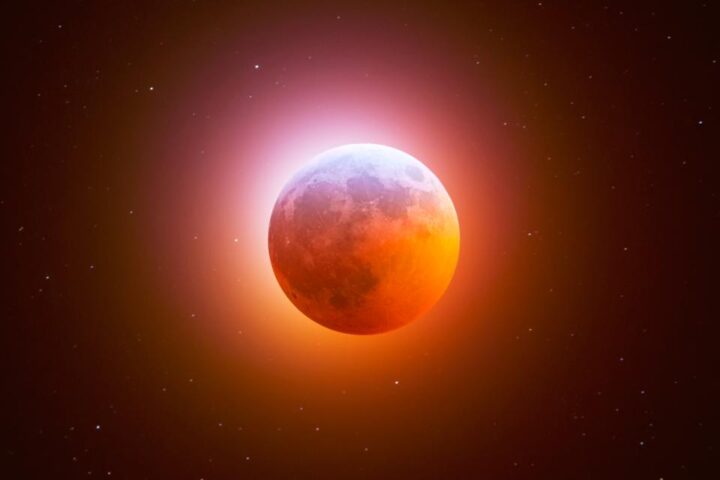
July 2026’s full moon — the Buck Moon — reaches its peak illumination on Tuesday, July 29 at 10:36 a.m. EDT (14:36 UTC). Named by northeastern Native American tribes for the time of year when male deer begin growing new antlers, the Buck Moon rises in the sign of Aquarius while the Sun sits in Leo.
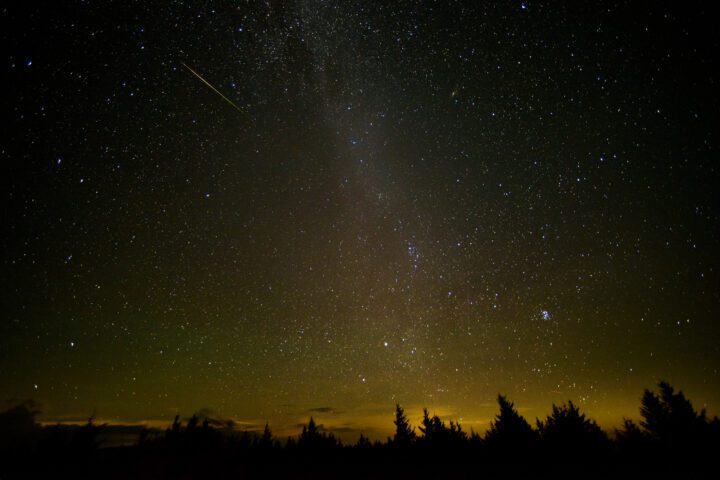
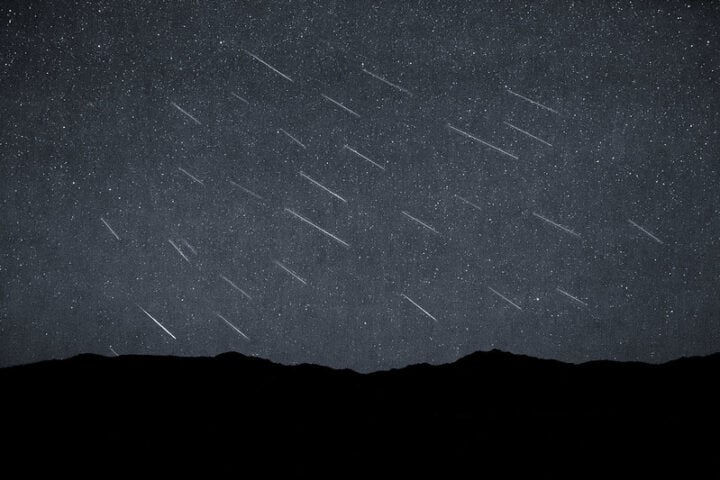
This month’s celestial calendar is exceptionally busy. According to Space.com, three active meteor showers coincide with the Buck Moon window:
- Delta Aquariids — peak July 28–29, up to 20 meteors per hour
- Alpha Capricornids — active through early August, bright fireballs
- Perseids — building toward their August 11–12 peak, with activity increasing through late July and early August
Jupiter Cazimi: A Rare Alignment
Also occurring this week is a Jupiter cazimi — a rare astrological and astronomical alignment where Jupiter passes directly in front of the Sun from Earth’s perspective. While not visible to the naked eye (Jupiter becomes lost in solar glare), astrologers consider this a high-energy moment for beginnings and expansion. Astronomers note that Jupiter reaches its solar conjunction around this period, making it temporarily unobservable from Earth before it reappears in the morning sky in August.
What’s Next: Total Solar Eclipse August 12
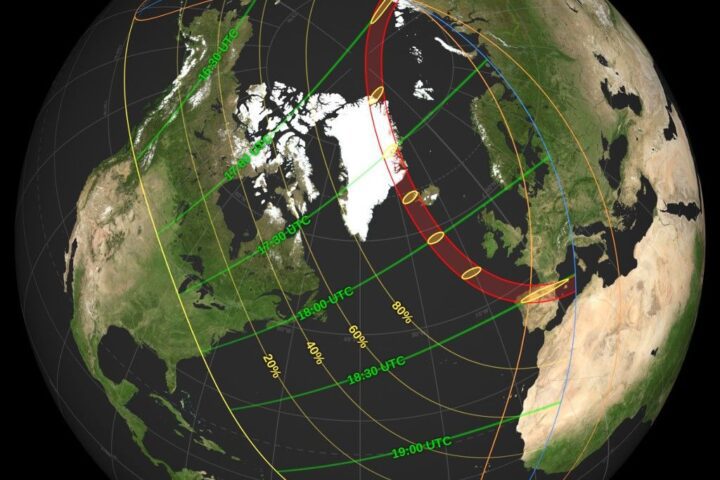
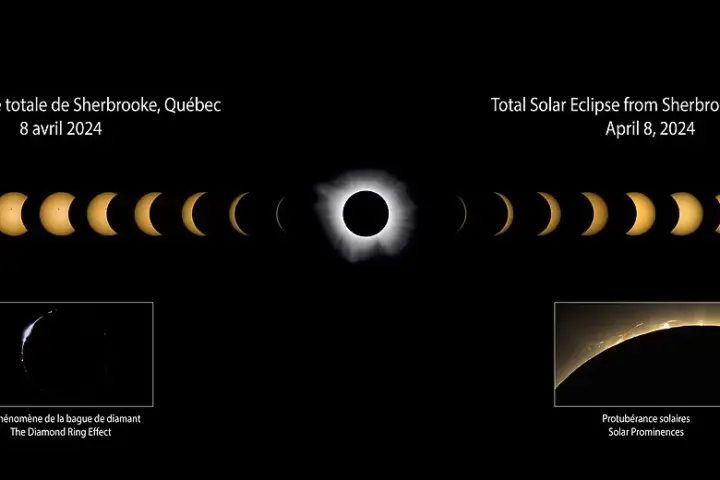
The Buck Moon is followed closely by a total solar eclipse on August 12, 2026, visible across Greenland, Iceland, and northern Spain — with a partial eclipse visible across the United Kingdom and much of Europe, according to NASA’s eclipse page. A partial lunar eclipse follows approximately four weeks later.
Best Viewing Tips
To see the Buck Moon at its best, head outside after sunset on July 28 or 29 — the Moon will appear largest and most vivid as it rises above the horizon. Check the National Weather Service for cloud cover forecasts in your area. For meteor watching, allow 20–30 minutes for your eyes to adjust to darkness and find a location away from city lights.