Karmactive Team
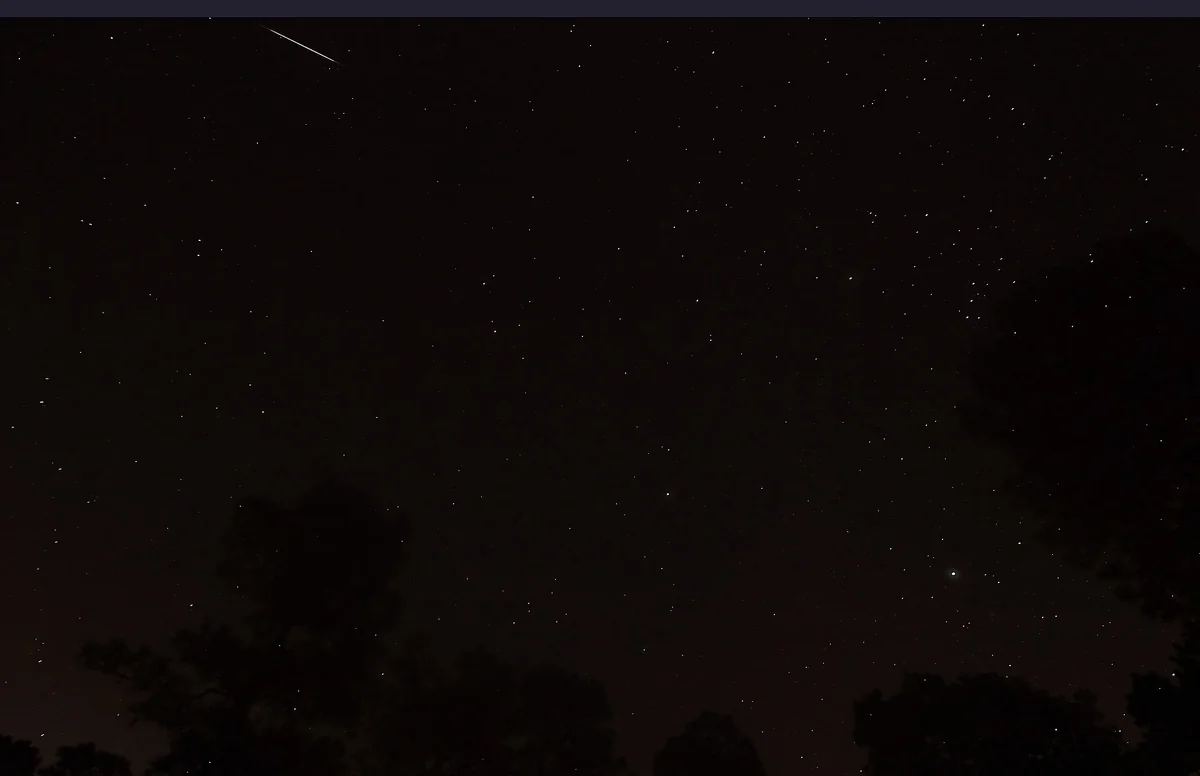
The Orionid meteor shower peaked around October 21 and 22, but fireballs from Halley’s Comet debris continue crossing the sky through November 7. If you missed the peak, you still have time — though conditions this week are more challenging than usual.
The Orionids are produced by Earth passing through the debris trail left by Halley’s Comet on its orbital path. The shower runs annually from mid-October through early November, with peak rates around 10 to 20 meteors per hour at maximum under ideal dark-sky conditions — the actual number visible depends heavily on sky conditions, the radiant’s altitude, and local light pollution. The radiant point — the area of sky the meteors appear to originate from — sits in the Orion constellation near the star Betelgeuse. Orionid meteors travel at approximately 66 kilometers per second, one of the fastest entry speeds of any annual shower, which produces bright streaks and ionized trains that can linger visibly for several seconds.
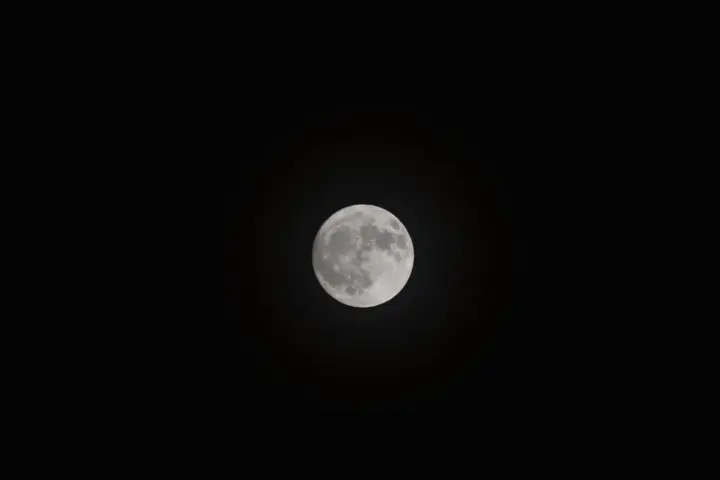
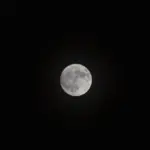
The shower remains active through November 7, and fast-moving fireballs are still possible during clear post-midnight nights. However, the moon reaches full on the night of October 25-26, meaning significant moonlight will wash out the fainter meteors this weekend. The brightest fireballs remain worth looking for — find an open area away from streetlights between midnight and dawn for the best view.
The most useful piece of Orionid viewing advice runs counter to instinct: do not stare directly at Orion. The radiant is the origin point, but meteors viewed near the radiant appear short and foreshortened because you are seeing them head-on. Looking away from Orion — toward any clear part of the sky — gives you the full streak length and maximum brightness of each fireball passing your field of view.
Moon interference is the primary challenge for Orionid viewing this weekend. Bright moonlight significantly reduces how many meteors are visible, particularly the fainter, shorter ones. Your best window is in the hours before dawn when the moon is lower in the sky. A clear sky with minimal cloud cover matters more than a dark location alone.
The Orionids return every year on this schedule, making them one of the more reliable late-October events on the annual stargazing calendar. The American Meteor Society logs fireball reports from observers across the country — checking current fireball reports can show whether the shower is producing notable activity in your region, though those reports document what observers have seen rather than forecasting what you will see.