Karmactive Team
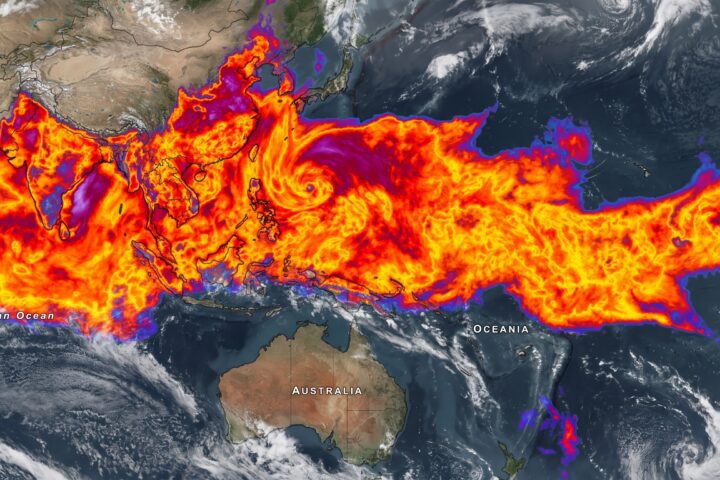
Six districts in Haryana received rainfall in the past 24 hours, providing some relief in an uneven monsoon season. But the India Meteorological Department has warned that the monsoon will remain weak across Haryana for the next two to three days before a heavier spell returns around July 27 and 28.
IMD’s Haryana weather alert issued today forecasts strong rain for the coming days, with July 27–28 flagged as the most intense period. The department confirmed that while moisture is present in the system, the active phase of the monsoon is currently positioned elsewhere, producing a temporary lull. That pattern — active spells followed by breaks — is characteristic of northern India’s monsoon when the trough shifts between the Himalayan foothills and the plains.
India’s monsoon behaves differently across regions. In Haryana, the distribution is often hyperlocal — some villages receive heavy downpours while adjacent areas stay dry for stretches. This was visible in Jind district, where residents registered frustration with the gap in coverage. A monsoon trough’s shifting position can create these sharp contrasts within a single district.
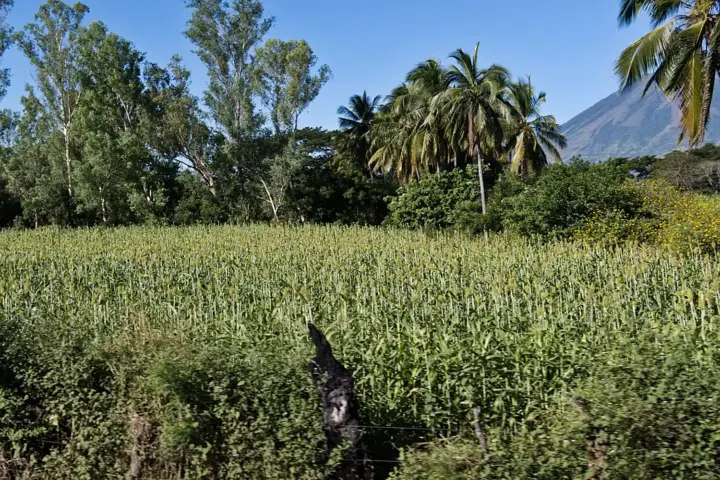
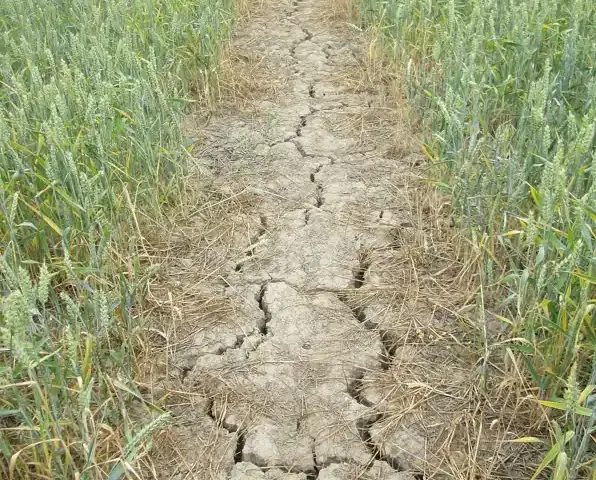
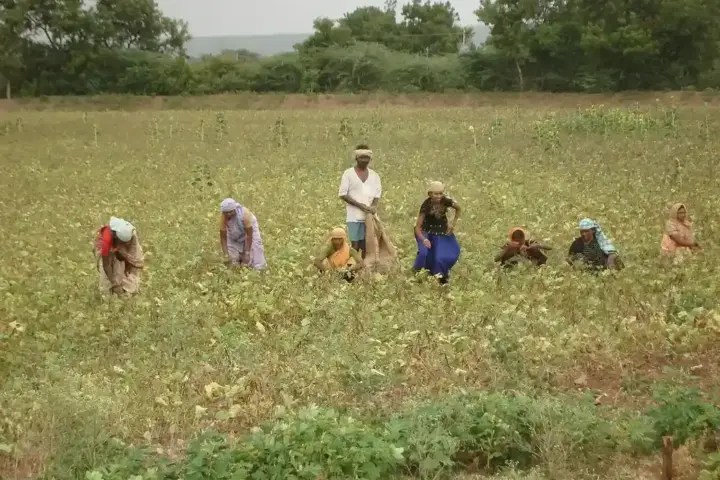
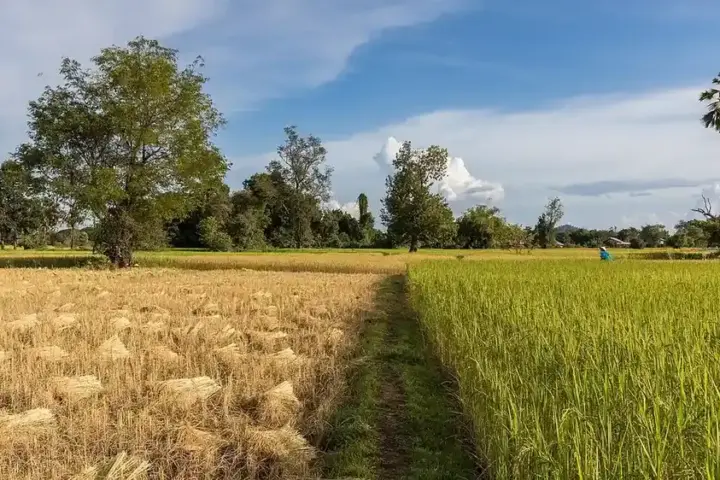
For Haryana’s farmers, the timing of the July 27–28 rainfall matters. Kharif crops — paddy, bajra (pearl millet), and maize — were sown in June and early July. At this stage in the growing cycle, consistent soil moisture is important. A dry gap followed by intense rain can cause both drought stress during the dry period and waterlogging during the intense spell. Both reduce yields.
Haryana’s groundwater situation adds to the stakes. Several of the state’s districts are classified as overexploited by the Central Ground Water Board. Monsoon rainfall is one of the primary mechanisms for recharging aquifers that farmers draw on through the rabi (winter) season. Poor monsoon recharge in a given year shows up as falling water table levels the following spring.
North India’s monsoon surge has created varied conditions across the region. July is traditionally Haryana’s wettest month, and the final week’s performance typically determines how close the season’s total comes to its long-term average.
Residents in areas with poor drainage should prepare for potential localised flooding during the July 27–28 spell, particularly if rain is concentrated in short, intense bursts rather than spread across the day. IMD district-level alerts and local administration advisories should be monitored closely through this period.