Thane’s Dust Crisis: Infrastructure Projects and Air Quality
Environment

Thane’s Infrastructure Dust Crisis: When Development Costs Clean Air

Government infrastructure projects across Thane district create severe dust pollution, raising questions about enforcement of pollution control norms at MMRDA and MSRDC construction sites
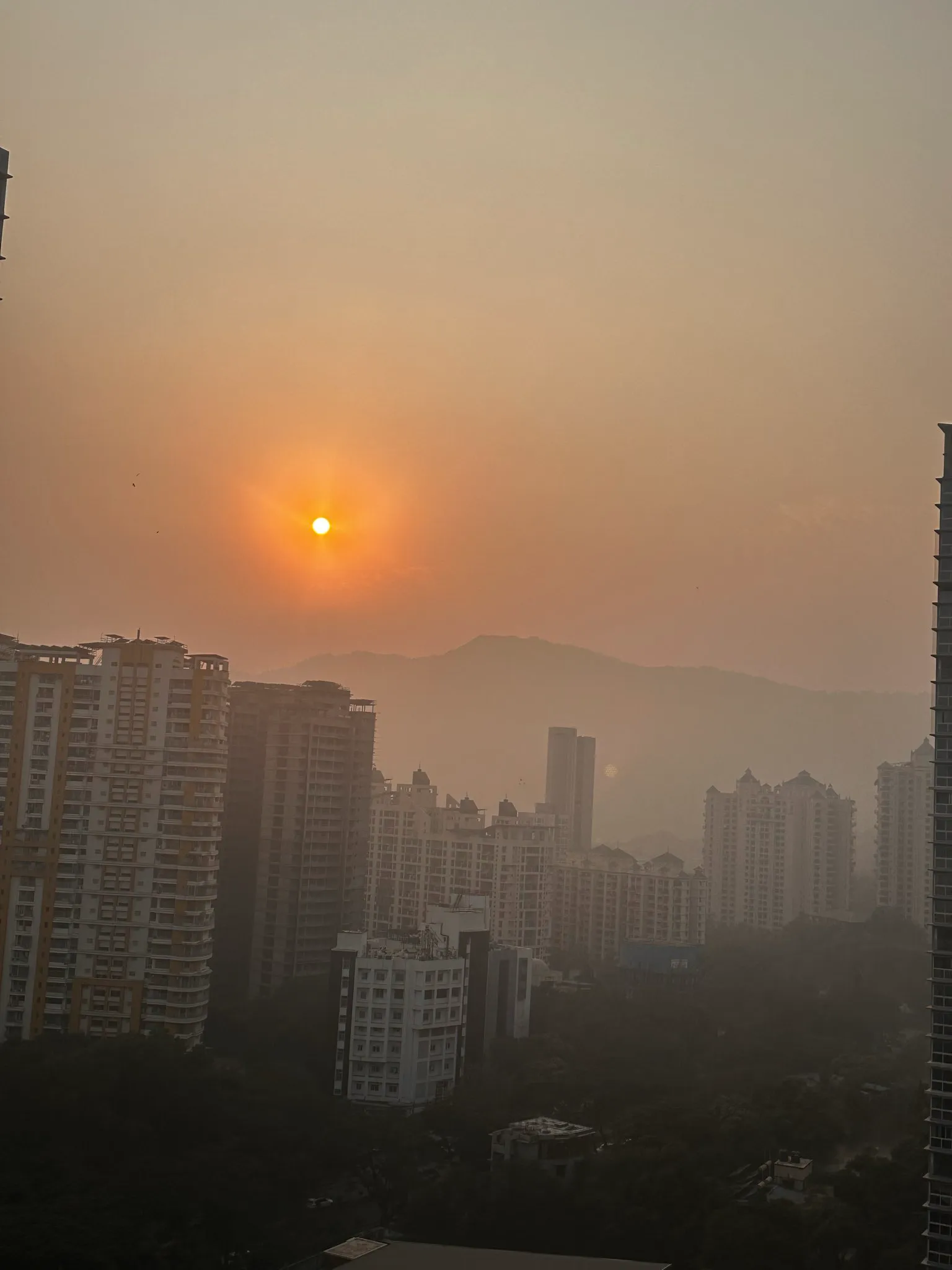
For commuters in Thane district, air pollution is not just a number on a smartphone app. It is the grit between their teeth during the daily commute, the persistent cough in children, and the layer of grime that settles on windowsills each evening. Along critical infrastructure corridors like the Ghodbunder Road and the Mumbai-Nashik Highway, dust from construction sites operated by state agencies has become a daily reality.

The Maharashtra State Road Development Corporation (MSRDC) is conducting road-widening work from Majiwada to Wadpe on the Mumbai-Nashik Highway. The Mumbai Metropolitan Region Development Authority (MMRDA) has Metro Line 4 construction underway from Wadala through Ghatkopar to Kasarvadavali. Both projects involve extensive excavation, debris piles left roadside, and frequent movement of heavy vehicles. Yet visible dust-control measures remain largely absent.

Thane has experienced elevated air quality readings in recent months. The Maharashtra Pollution Control Board (MPCB) has identified ongoing infrastructure work, heavy vehicle emissions, and waste burning as primary contributors. While Mumbai’s civic body has issued hundreds of stop-work notices for violations at construction sites, enforcement at government infrastructure projects in Thane appears reactive rather than proactive.

Where Thane’s Dust Problem Lives

Major infrastructure corridors showing visible absence of mandatory pollution control measures

Ghodbunder Road Corridor
MMRDA Metro Line 4

Metro pillars erected, roads excavated and re-laid. Debris piles remain roadside without covering. Heavy dust reported by two-wheeler riders.

Dust Control: Not Visibly Implemented
Mumbai-Nashik Highway
MSRDC Road Widening

Majiwada to Wadpe stretch under widening. Work active in Bay Bridge area. Motorists report dust exposure during peak hours.

Dust Control: Not Visibly Implemented
Additional MMRDA Projects
MMRDA Infrastructure Development

MMRDA has multiple ongoing projects in the Thane region. Local residents in various neighborhoods report dust from construction activities near their homes during project implementation.

Dust Control: Implementation Status Varies

According to ground observations and local reports, dust-control measures such as water sprinkling, green cloth covering, and perimeter fencing are not visibly implemented at these major government infrastructure sites. The MPCB issued revised guidelines on October 17, 2025 for construction and Ready Mix Concrete operations.

The Maharashtra Pollution Control Board has issued guidelines requiring construction sites to implement dust-control measures including regular water sprinkling, perimeter barricading with metal sheets or mesh, green cloth or tarpaulin covering for material stockpiles, and covered transport of soil and debris. These guidelines apply to projects exceeding 20,000 square meters built-up area or requiring environmental clearance. Questions have been raised about enforcement at government infrastructure projects.

An MSRDC official stated that contractors on the Mumbai-Nashik Highway will be instructed to implement pollution control measures. The Mumbai Metropolitan Region Development Authority did not respond to requests for comment.

Former Deputy Mayor Naresh Mhatre has raised concerns about dust pollution along infrastructure corridors in Thane. Local residents continue to report exposure to construction dust during daily commutes through affected areas.

The Rulebook vs. Reality

MPCB guidelines for construction sites—compliance status at Thane’s major infrastructure projects

Regular Water Sprinkling
Not visibly implemented
Green Cloth/Tarpaulin Cover
Debris uncovered roadside
Perimeter Barricading (25 ft)
Iron fencing absent
Covered Debris Transport
Open trucks observed
Sensor-Based AQI Monitors
Status unclear
Scientific Debris Storage
Piles left open to wind

The Central Pollution Control Board mandates dust-mitigation measures under the National Clean Air Programme. The MPCB guidelines and EIA Notification require specific dust-control measures for projects exceeding 20,000 square meters built-up area or requiring environmental clearance—including government projects. Implementation at government infrastructure sites in Thane requires verification through on-ground monitoring.

Meanwhile, across the Mumbai Metropolitan Region, authorities have taken various actions to address air pollution. The Maharashtra Pollution Control Board shut down Ready Mix Concrete (RMC) plants following compliance surveys. In Mumbai, the Brihanmumbai Municipal Corporation (BMC) has washed 676 roads covering 1,888 km, which amounts to around 92 percent of Mumbai’s total road length. The corporation also removed 665 metric tonnes of garbage from public spaces, along with 18 MT of construction debris.

The BMC’s environment department is planning to increase the penalty against open burning from ₹500 to ₹5,000, similar to Navi Mumbai and Thane municipal corporations. Open burning is one of the major causes of air pollution in Mumbai, especially in areas with slum settlements.

Mumbai is preparing to launch its first dedicated air-quality monitoring platform, the Mumbai Air Network for Advanced Sciences (MANAS). Developed jointly by the BMC and IIT Kanpur, the platform will include 75 low-cost sensors, each covering 0.5 sq km. MANAS will integrate an AI-based predictive model, the first of its kind in the country. The system is expected to go live within six months.

Mumbai Metropolitan Region: Air Quality Overview

Air quality monitoring locations across Thane, Mumbai, and neighboring areas

Good (0-50)
Satisfactory (51-100)
Moderate (101-200)
Poor (201-300)
Very Poor (301-400)

By The Numbers

Data from recent enforcement actions and monitoring across Mumbai Metropolitan Region

73
Construction Sites
Found violating dust norms in Thane (Jan-Nov 2025)
377
Sites Inspected
By Thane Municipal Corporation (2025)
₹18.15L
Fines Recovered
From violating construction sites
676
Roads Washed
By BMC (1,888 km, 92% of Mumbai)
75
MANAS Sensors
Hyperlocal AQI monitors (0.5 sq km each)
₹5,000
Proposed Fine
For open burning (up from ₹500)

Health Toll: Beyond The AQI Number

Construction dust contains coarser particulates than the PM2.5 tracked by AQI monitors

👁️
Eye Irritation
Commuters traveling through construction zones report dust particles entering eyes. Discomfort during peak traffic hours noted by two-wheeler riders on affected routes.
🫁
Respiratory Concerns
Medical professionals have noted increased respiratory complaints in areas with heavy construction activity. Asthma exacerbation, allergic rhinitis, and difficulty breathing are among reported concerns.
🧴
Dust Exposure
Commuters report needing to wash faces after traveling through construction corridors. Dust settles on skin and clothing during peak traffic hours on affected routes.
⚠️
Health Guidelines
Public health guidance links particulate matter exposure to respiratory issues. Air pollution health impacts are documented in medical literature.

Timeline: Regulations, Violations & Responses

Recent developments in air pollution control enforcement across MMR

October 2024
BMC Issues 28-Point Guidelines
Brihanmumbai Municipal Corporation mandates tin sheet barricades, green cloth covers, regular water sprinkling, debris storage protocols, and air-quality monitoring systems at all construction sites.
October 17, 2025
MPCB Issues Revised RMC Plant Guidelines
Maharashtra Pollution Control Board releases revised guidelines for Ready Mix Concrete plants statewide, superseding all previous circulars from 2016 and 2024. Guidelines mandate stricter siting, enclosure, and monitoring requirements.
January-November 2025
TMC Inspection Results
Thane Municipal Corporation inspects 377 construction sites. 73 sites found violating dust norms. ₹18.15 lakh in fines recovered. Enforcement focused on private construction; government infrastructure projects status unclear.
November 2025
BMC Proposes Fine Increase
BMC environment department proposes increasing penalty for open burning from ₹500 to ₹5,000, matching Navi Mumbai and Thane Municipal Corporation fines. Open burning identified as major pollution cause in areas with slum settlements.
December 2025
BMC Road Washing Drive
BMC launches five-day drive washing 676 roads covering 1,888 km (92% of Mumbai’s road length). Removes 665 metric tonnes of garbage and 18 MT of construction debris to minimize dust displacement during peak traffic hours.
Expected 2026
MANAS: Mumbai’s AI-Powered AQI System
BMC and IIT Kanpur developing Mumbai Air Network for Advanced Sciences (MANAS) with 75 hyperlocal sensors (0.5 sq km coverage each) and India’s first AI-based predictive air quality model. Expected to launch within six months from December 2025.

Institutional Response: Who’s Doing What

Actions by different agencies to address construction dust and air pollution

MMRDA (Mumbai Metro Authority)
No Response
Did not respond to queries regarding dust-control measures at Metro Line 4 construction sites passing through Thane corridor. Environmental guidelines exist but on-ground implementation status unclear.
Project Info: View Metro Line 4 details
MSRDC (State Road Corporation)
Planning Stage
An MSRDC official stated that contractors working on the Mumbai-Nashik Highway will be instructed to implement pollution control measures. The statement indicates planning rather than active on-ground enforcement of dust-mitigation requirements.
Authority Info: MSRDC Official Portal
TMC (Thane Municipal Corporation)
Active Enforcement
Inspected 377 construction sites from January to November 2025. Identified 73 violators, recovered ₹18.15 lakh in fines. Enforcement focused on private construction; government infrastructure projects status unclear.
MPCB (State Pollution Board)
Action Taken
Issued revised RMC plant guidelines on October 17, 2025. Conducted compliance surveys across MMR. Guidelines mandate stricter pollution control measures for construction activities. Removed unauthorized furnaces in Sion.
Guidelines: MPCB Official Portal
BMC (Mumbai Civic Body)
Active Measures
Formed 94 ward-level flying squads for construction site monitoring. Launched five-day road-washing drive covering 676 roads (1,888 km). Proposes ₹5,000 fine for open burning. Issued stop-work notices to violating construction sites.
Citizen Action
Escalating
Former Deputy Mayor Naresh Mhatre has raised concerns about dust pollution along infrastructure corridors. Local residents report direct health impacts from construction dust. Public pressure for enforcement of pollution control measures at government project sites continues.

The situation in Thane district involves observable dust pollution from large-scale infrastructure projects operated by MMRDA and MSRDC. Maharashtra Pollution Control Board guidelines for dust mitigation exist for construction activities exceeding 20,000 sq.m. or requiring environmental clearance. Representatives of implementing agencies have acknowledged the need for contractor instruction on pollution control measures.

Health concerns identify construction dust as a contributor to respiratory issues, eye irritation, and dermatological complaints. Between January and November 2025, Thane Municipal Corporation found 73 of 377 inspected construction sites violating dust norms. Local representatives have communicated public grievances to civic authorities regarding the dust issue.

The Mumbai civic body has issued stop-work notices to construction sites for violations. Mumbai is developing MANAS, a hyperlocal air quality monitoring system with 75 sensors covering 0.5 sq km each, featuring AI-based prediction capabilities, in partnership with IIT Kanpur. The system is expected to launch within six months.

Across Thane’s infrastructure corridors, two-wheeler riders navigating dust-laden routes experience daily exposure. The enforcement of pollution control rules at state government infrastructure projects remains a question raised by citizens and local representatives.


Karmactive Whatsapp group - https://www.whatsapp.com/channel/0029Vb2BWGn77qVMKpqBxg3D

Rahul Somvanshi

Rahul, possessing a profound background in the creative industry, illuminates the unspoken, often confronting revelations and unpleasant subjects, navigating their complexities with a discerning eye. He perpetually questions, explores, and unveils the multifaceted impacts of change and transformation in our global landscape. As an experienced filmmaker and writer, he intricately delves into the realms of sustainability, design, flora and fauna, health, science and technology, mobility, and space, ceaselessly investigating the practical applications and transformative potentials of burgeoning developments.

Leave a Reply

Your email address will not be published.

Raccoon lying on the bathroom floor beside a toilet and trash bin inside the Ashland ABC store after being found intoxicated during a break-in.
Previous Story

Wildlife Break‑In at Ashland ABC Store: How a Drunk Raccoon Ended Up Passed Out in the Bathroom

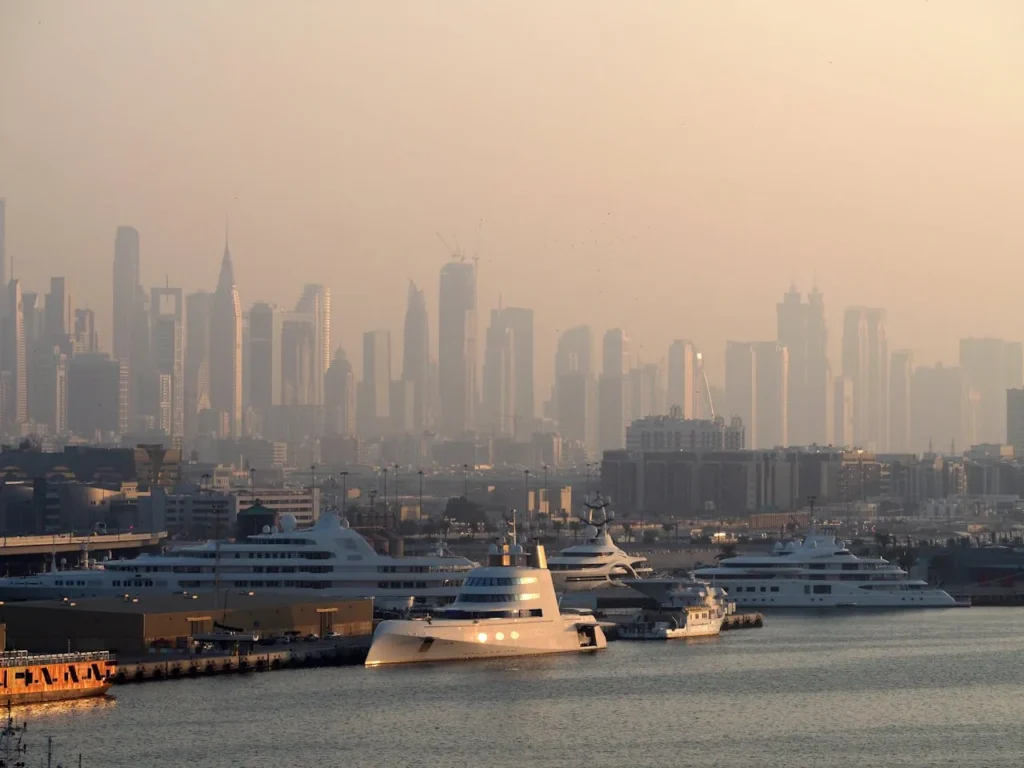
Cruise ships docked in Dubai with the skyline partially obscured by heavy haze caused by elevated air pollution.
Next Story

Dubai Ranked #4 Most Polluted Globally As AQI Hits 190+ In 2025 Smog Spike

Latest from Health

Person receiving emotional support from another individual, with their hands clasped together in a moment of connection, representing therapeutic relationships that benefit sensitive individuals.

The Ripple Effect Of Financial Stability

Financial stability is often talked about as a personal goal, something you work toward quietly with budgets, savings, and careful choices. But stability rarely stays contained within one person. When finances become

Building a Healthier Narrative

Everyone has a story they tell themselves – about who they are, what they’re capable of, and how life works. Sometimes, those stories empower us. Other times, they quietly limit what we
Person holding various supplement pills in the palm of their hand, illustrating the increasing use of synthetic vitamins in daily health routines.

Harnessing the Power of Vitamins from Natural Sources

Setting the Stage: Why Whole-Food Nutrient Sources Matter Synthetic vitamins are typically isolated nutrient compounds produced industrially, sometimes in forms that are chemically identical to food vitamins and sometimes in slightly different
Representative Image: Parents and child. Photo Source: Pexels (Pixabay)

Building a Healthier Relationship With Money

Rethinking how we view and interact with our finances Money isn’t just about numbers—it’s about emotions, beliefs, and habits that shape how we earn, spend, and save. Many people grow up with

Don't Miss