 Sunita Somvanshi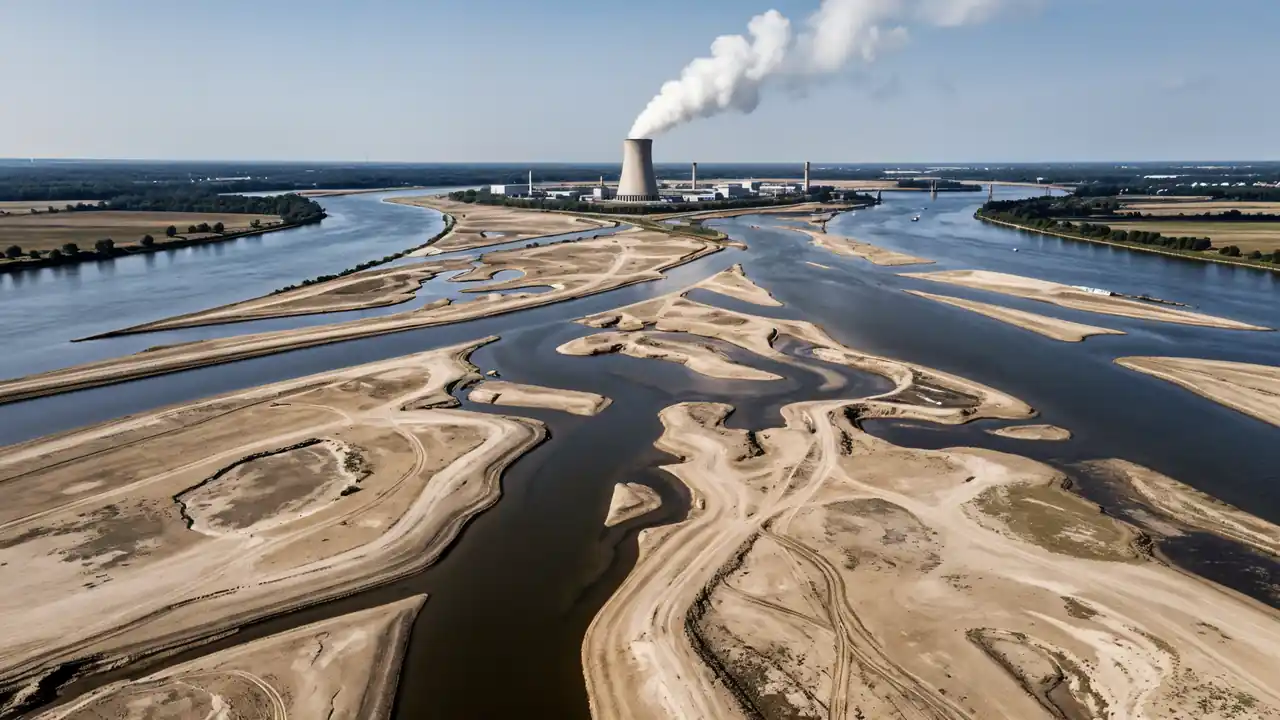
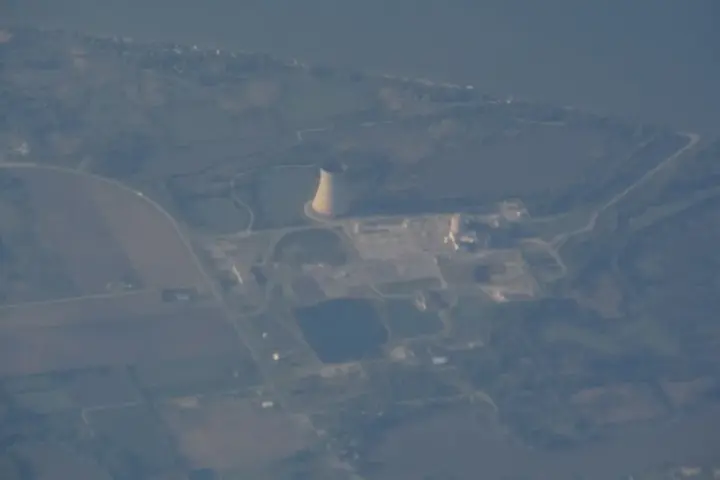
Romania has shut down both reactors at its Cernavoda nuclear power plant after a severe drought and heatwave pushed Danube River water levels to record lows. The plant is the country’s only nuclear facility and normally supplies about 20% of Romania’s electricity.
Unit 1 went offline in late July. Unit 2 followed on August 14, 2026. Plant director Romeo Urjan said the reactors are not expected to restart within the next 10 days. The last time both units shut down together was in 2003, also because of drought. This marks the first full shutdown since that 2003 drought, ending 23 years of continuous operation at full capacity.
Nuclear reactors need large amounts of river water to cool their systems. When river levels drop too low, plants cannot draw enough water safely and must power down.
The Danube, Europe’s second-longest river, flows 2,850 kilometers through 10 countries. In Budapest, water levels fell to just 4 inches, well below the previous record low of 13 inches set in 2018. Data from the European Union’s Copernicus monitoring program shows nearly two-thirds of the river’s flow points recorded their lowest July levels in 34 years. This follows a pattern of extreme drought seen across Europe this summer, where multiple countries have reported record-breaking temperatures.
Romania has declared a state of energy emergency for August. The government activated a 330-megawatt power plant that burns lignite, a type of low-grade coal, to help cover the shortfall. Automakers Dacia and Ford have paused production at their Romanian plants until August 19.
The shutdown has effects beyond Romania’s borders. Moldova normally imports up to 60% of its electricity from Romania. That supply has now been cut off. Moldovan energy expert Sergiu Tofilat warned the country could face power outages as a result. As climate change intensifies heatwaves across Europe, similar stress on power grids is becoming more frequent.
Hungary is also under strain. Prime Minister Peter Magyar said the next five days would be the hardest of the crisis. Hungary’s Paks nuclear plant, which normally supplies nearly half of the country’s electricity, is running at roughly 10% capacity. To protect the plant’s water intake, engineers built a submerged wall and positioned 80-meter barges nearby.
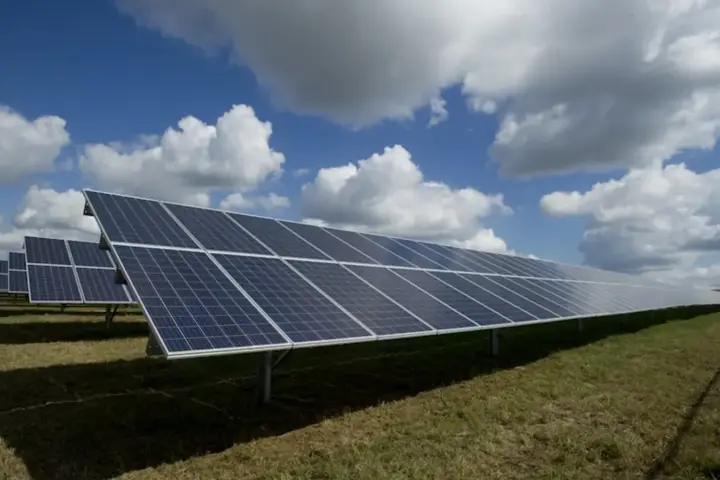
France is affected too. Thirteen of the country’s 57 reactors have been hit by low water levels, cutting national nuclear output by more than 20% this week. Nuclear power provides about 70% of France’s electricity, so any reduction has a large effect on the country’s grid. The European shift toward renewable energy diversification is part of long-term energy security planning, but current weather conditions show how vulnerable centralized systems remain.
In Romania, the navy has used underwater explosives to blast rock formations and redirect the Danube’s flow, an effort to keep water moving through narrow or shallow sections. Shipping along the entire river has been disrupted, with vessels unable to carry full loads or, in some stretches, unable to pass at all. Low water levels previously exposed WWII-era shipwrecks along various stretches of the Danube.
The falling water has also exposed sights normally hidden beneath the river, including World War II-era shipwrecks and ancient artifacts along various stretches of the Danube.
Officials in the region have not given a firm timeline for when water levels, and full power generation, might return to normal. The situation remains under close watch as the heatwave continues.