 Sunita Somvanshi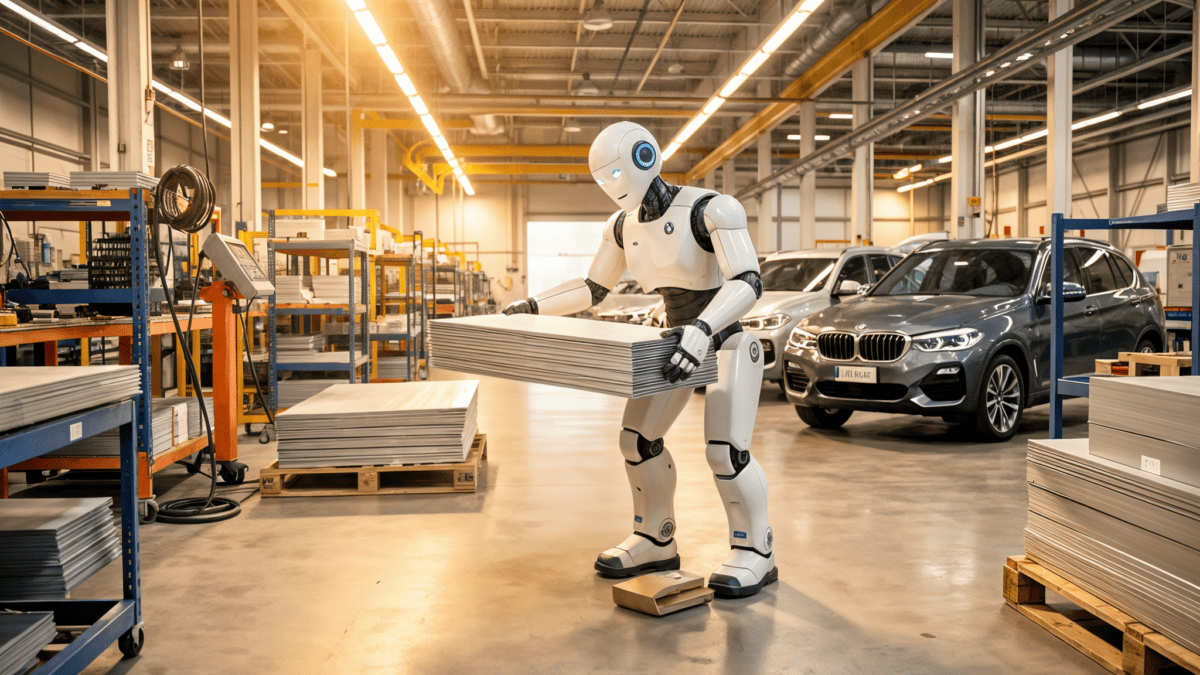
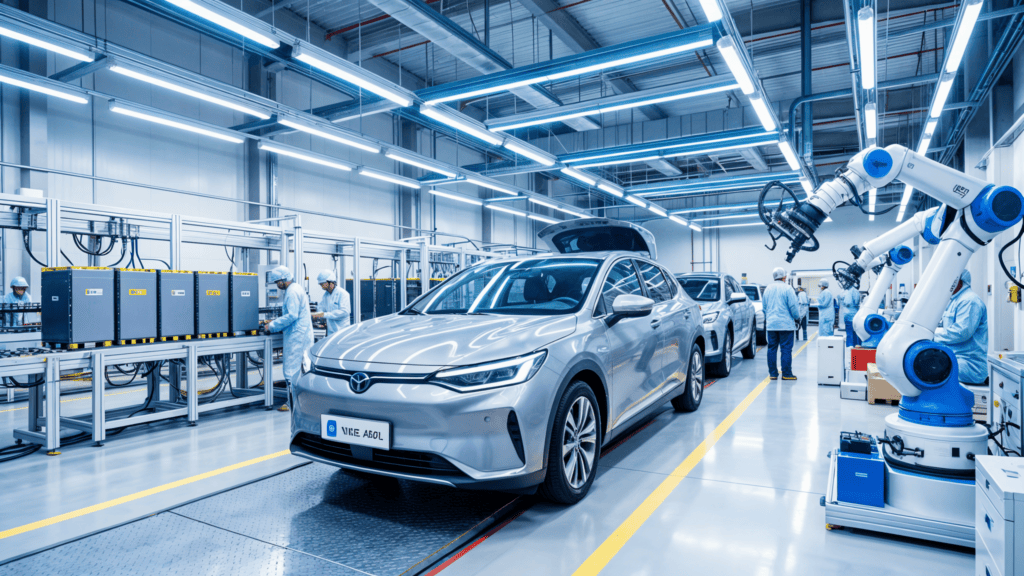
Figure 03, made by Figure AI, crossed 1,000 units deployed on July 23, 2026, at BotQ’s manufacturing facility—a watershed moment for the humanoid robot industry. The milestone marks the transition from prototype testing to sustained production: Figure 03 now ships at one unit per hour, a pace that signals genuine manufacturing scale rather than experimental deployment.
At BMW Group’s Spartanburg, South Carolina assembly plant, Figure AI’s humanoid robots are now running core logistics operations. Figure 02, the earlier model, built over 30,000 BMW X3 vehicles while loading more than 90,000 sheet metal parts over 11 months. Figure 03 is now active in logistics sequencing at BMW Spartanburg, handling parts staging and order fulfillment—work previously done by human logistics teams or fixed automation. BMW Group is doubling down on its deployment of Figure AI’s humanoid robots, treating them as a strategic component of its manufacturing footprint, not a pilot program.
Analysts note the 1,000-unit threshold represents more than raw production volume. It demonstrates that humanoid robots can be manufactured reliably, trained on specific tasks, and deployed across geographies and industries without requiring complete facility redesigns. This repeatability is what separates mass production from prototyping.
Competing systems are hitting similar milestones. AgiBot, the Chinese embodied AI company, produced its 15,000th robot on June 28, 2026, signaling that AgiBot’s production milestone reflects its progress in moving embodied AI systems into manufacturing and logistics at scale. Boston Dynamics released an electric version of its Atlas humanoid robot and is shipping units to Hyundai’s RMAC (Robotics Manufacturing Application Center) and Google DeepMind. The company has committed its entire 2026 production run to these two partners, indicating demand outpaces supply.
Pricing has become a competitive lever. Unitree Robotics priced its G1 humanoid at $16,000, undercutting industrial-grade robots by half. 1X Technologies positioned its NEO at $20,000 for consumer and light-industrial use. These price points—once thought impossible for fully autonomous bipedal systems—are now real. Tesla’s Optimus Gen 3 is ramping production at its Fremont factory, with limited deployments to Tesla facilities and select partners. Each company is racing to prove that humanoid robots can operate profitably at scale, not just in controlled lab environments.
The artificial intelligence and robotics industries are now locked in a feedback loop: scale reduces unit costs, lower prices expand addressable markets, and larger markets justify higher capital investments in automation. This is the classic economics of any manufacturing platform.
Global shipments in 2025 reached 13,000+ humanoid robot units. China captured an estimated 80–90% of that market, driven by domestic demand for technology sector logistics and assembly operations. Industry analysts project the humanoid robot market will reach $5–10 billion by 2026, a threefold-to-sevenfold expansion from 2025 baseline revenue. That projection assumes no Black Swan deployments—no breakthrough use case that suddenly pulls orders from industries beyond manufacturing and logistics.
The 1,000-unit milestone also signals a shift in narrative. Early coverage of humanoid robots focused on technical feasibility: “Can they walk? Can they grasp? Can they learn?” The new narrative is operational: “Are they profitable? Are they replacing workers in real shifts? How many units ship per quarter?” This shift from whether to when reflects the maturation typical of any production technology.
For technological discovery to matter commercially, it must move through three gates: proof of concept, pilot deployment, and mass production. Figure 03’s 1,000-unit mark signals the industry has firmly crossed the second gate and is establishing the third. That’s not hype. That’s manufacturing.