 Sunita Somvanshi
Tesla’s second quarter of 2026 told two very different stories in the same earnings report.
On one side: record deliveries, surging revenue, and a historic milestone. On the other: missed profit targets, negative free cash flow, and the biggest capital spending year in the company’s history.
Tesla delivered 480,126 vehicles in Q2 2026 — its strongest second-quarter delivery figure ever and the first year-over-year delivery growth the company has seen in two years. Revenue came in at $28.2 billion, beating the Wall Street consensus estimate of $26.32 billion and rising 26% compared to Q2 2025. For the first time in its history, Tesla crossed $100 billion in trailing twelve-month revenue.
But profit told a different story. Tesla posted adjusted earnings per share of $0.33, well below the estimated $0.50. Free cash flow turned negative, and the company burned through $3.25 billion in a single quarter. Capital expenditure surged 142% year-over-year. CFO Vaibhav Taneja confirmed during the earnings call on July 22, 2026, that total capital spending for the full year would be “more than $25 billion” — making 2026 the most expensive year in Tesla’s financial history.
So where is that money going?
Tesla is simultaneously funding three capital-heavy bets: the Optimus humanoid robot program, an AI data center build-out, and the Cybercab autonomous vehicle production ramp. All three are early-stage and have not yet generated significant revenue.
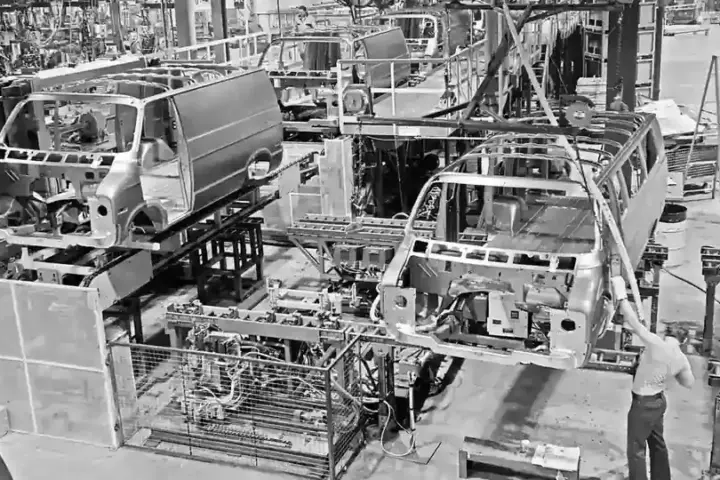
The Optimus robot drew the most attention during the earnings call. Elon Musk addressed the scaling challenge directly. “I really want to emphasize here that the production scaling challenge is very substantial,” Musk said. “This is going to be the hardest product to scale manufacturing that we’ve ever made at Tesla, because everything on the robot is new.” Optimus Gen 3 production lines are now being installed and the company says production will begin “soon,” though no confirmed unit count has been released.
The Cybercab had better news — it entered production during Q2. Tesla also continued expanding its Robotaxi operations into additional U.S. cities during the quarter.
On the software side, active Full Self-Driving subscriptions reached 1.48 million — up 56% year-over-year and up from 1.28 million in Q1 2026. Tesla’s Autopilot Vice President Ashok Elluswamy confirmed the Robotaxi fleet is now running on version 15 of its FSD software. An active NHTSA investigation into FSD remains ongoing.
Tesla’s situation reflects a broader pattern in the tech-automotive space: a recovering car business being used to fund expensive future technology. The company is essentially running two businesses at once — a vehicle manufacturer posting strong sales, and an AI and robotics company that has not yet turned a profit on its newest products.
For investors, the question is whether electric vehicle profits can sustain the pace of spending long enough for Optimus and Cybercab to generate real returns. The $25 billion cap-ex commitment signals that Tesla is not slowing down — and 2026 will be the year that tests how much market patience that bet requires.
The cars are selling. The cash is flowing out. What happens next depends entirely on whether the robots and the robotaxis can earn their place.