Karmactive Team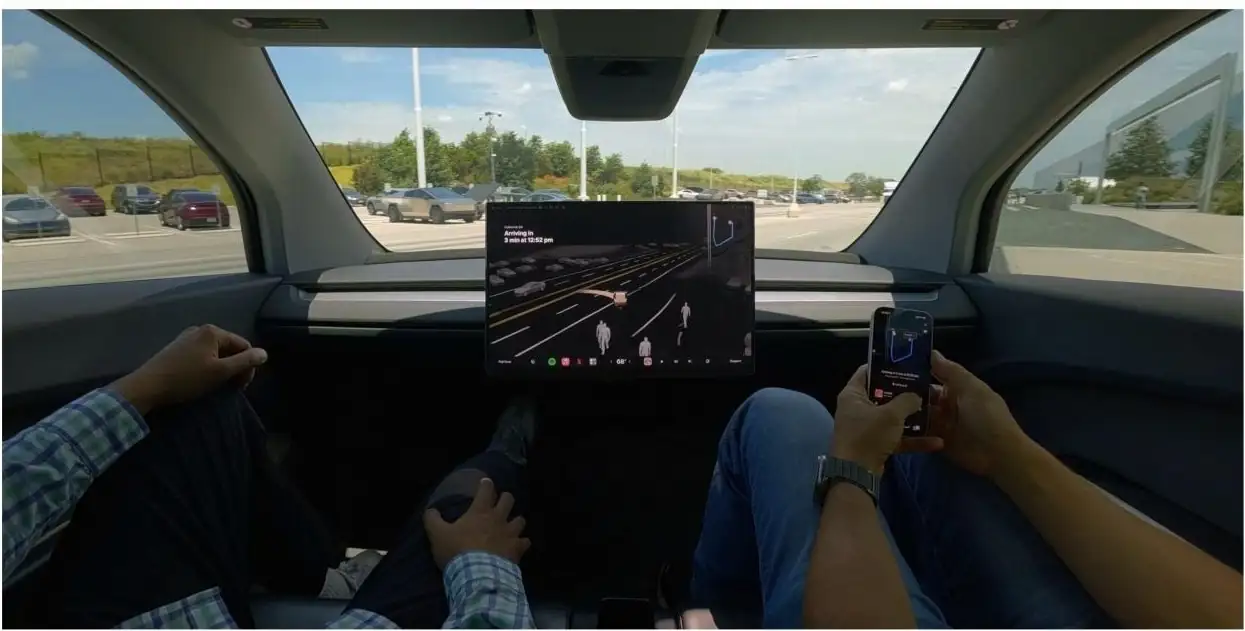
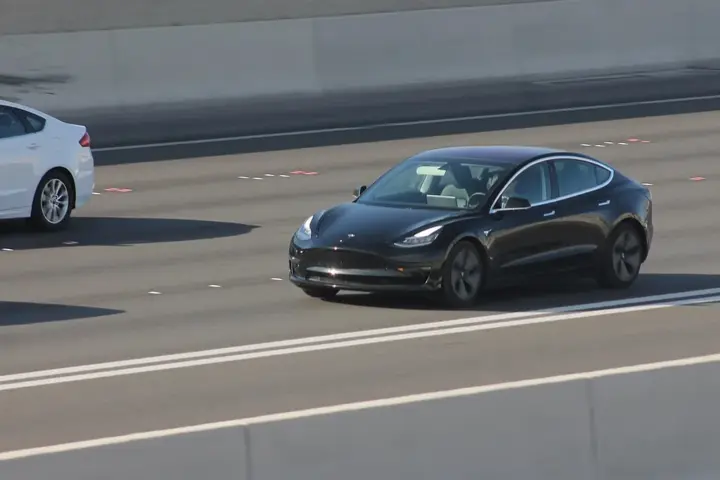
Tesla began offering Cybercab rides to the public in limited areas of Austin on September 4, 2026, following its September 3 launch event. The Cybercab is a two-seat vehicle with no steering wheel, no accelerator, and no brake pedal. Cybercab is designed to operate without a human driver using Tesla’s autonomous-driving system.
The National Highway Traffic Safety Administration announced it was opening an Audit Query into Tesla’s Cybercab deployment on September 4, 2026. The agency is examining whether Tesla’s self-certification that Cybercab meets Federal Motor Vehicle Safety Standards is accurate.
U.S. automakers generally self-certify that vehicles comply with applicable Federal Motor Vehicle Safety Standards, subject to NHTSA oversight. Federal law also provides an exemption process for vehicles that cannot comply with particular safety standards, subject to the requirements of that process. Tesla did not go through that process for commercial passenger deployment. It self-certified. NHTSA is now checking whether that self-certification holds up.
The agency has not declared the Cybercab unsafe. An audit query is an inquiry, not a finding. Tesla shares fell about 5.9% on September 4 amid investor reaction to the Cybercab developments.
So what actually happens inside a Cybercab if something goes wrong? Tesla’s own rider guide answers that. Passengers can request the vehicle to pull over through the touchscreen, the Tesla app, or a physical STOP button. There are also mechanical door releases. Robotaxi Support is accessible from inside the vehicle.
Children under 13 are not permitted in Cybercab. The vehicle does not have a LATCH or ISOFIX system, so child safety seats cannot be installed.
For emergency responders, Tesla maintains Cybercab First Responder Interaction Plans, Emergency Response Guides, and Rescue Sheets. Most stories about driverless cars skip this part — responders have had to improvise with other autonomous vehicles in past incidents.
No substantive Tesla response to the details of NHTSA’s Audit Query was identified in the sources reviewed for this report.