 Karmactive Staff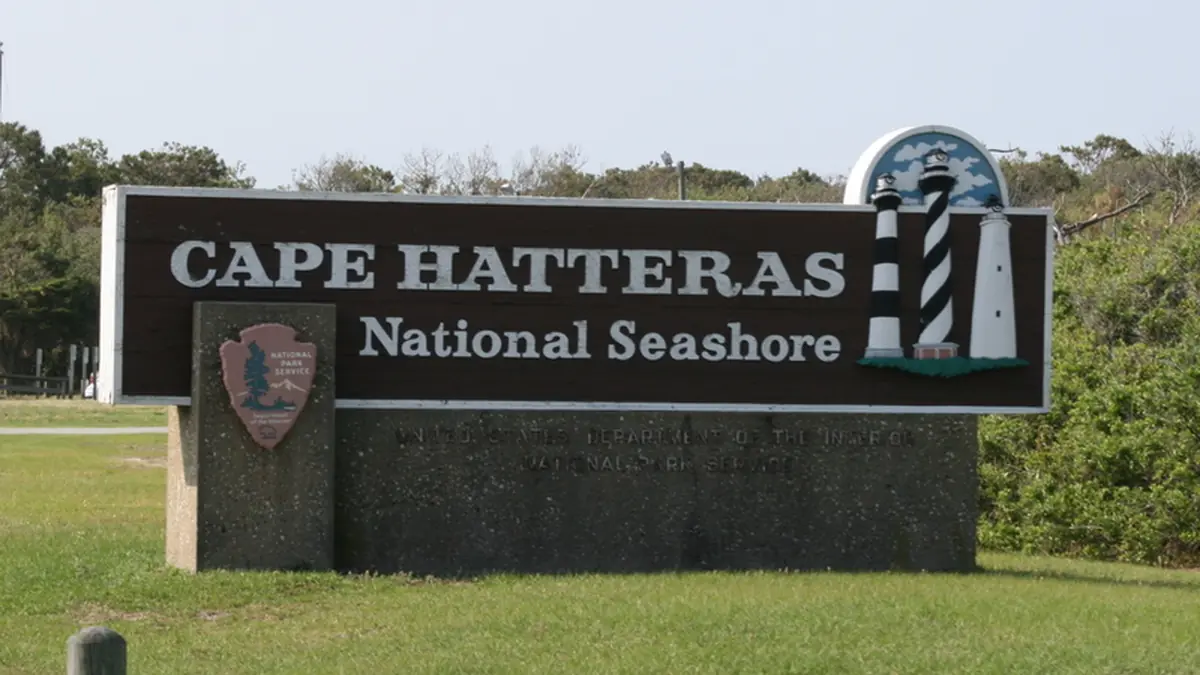
The National Weather Service listed low rip-current risk for the Northern Outer Banks and Hatteras Island for the rest of Friday, September 18, 2026, with moderate risk forecast for Saturday. If you are at or heading to Outer Banks beaches today, check the current beach flag status before entering the water.
What [rip currents](https://www.weather.gov/safety/ripcurrent) do and why today's forecast matters
Rip currents are fast-moving channels of water that flow away from shore. The National Weather Service identifies rip currents as among the deadliest and most common beach hazards along the Carolinas. A swimmer caught in a rip current does not need to be a poor swimmer to be in danger — the current pulls away from the beach quickly, and panic or exhaustion can set in before reaching calmer water.
The practical rule: if you are caught in a rip current, do not try to swim directly back to shore against the current. Swim parallel to the beach until you are out of the current channel, then swim back in. If you cannot escape the current, float and signal for help.
Before you enter the water
Check the beach flag posted at your specific beach access point. Red flags indicate high hazard and mean most swimmers should stay out of the surf. Double red flags mean the water is closed. Purple flags indicate dangerous marine life. In addition to the flag, check the current NWS marine forecast for the Wilmington or Morehead City forecast office, which covers Outer Banks waters.
Low risk does not mean no risk. Rip currents can still form near piers, jetties, and deeper channels. Moderate risk on Saturday means stronger or more frequent rip currents are possible.
Lifeguarded beaches are the safest option during elevated rip current conditions. If your preferred beach has no lifeguard on duty, treat changing surf as a reason to stay out of the water.
Rip current conditions along the Outer Banks can shift within hours as swell direction and wind change. Check the National Weather Service beach hazard forecast for the latest advisory before heading to the beach. The NWS Wilmington office updates forecasts several times daily.
Related Karmactive coverage: North Carolina water safety guide and North Carolina water exposure prevention.