 Govind Tekale
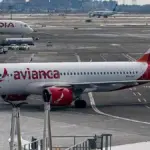
An incident at LaGuardia Airport in March 2026 involving an aircraft collision raised critical questions about air traffic control system reliability during periods of controller staffing shortages. The National Transportation Safety Board (NTSB) launched formal investigation procedures to determine collision circumstances and identify contributing factors.
The collision involved aircraft on the runway or taxiway, creating safety concerns that prompted immediate FAA and NTSB response. Preliminary investigation focused on communication between the control tower and aircraft pilots, potential procedural violations, and environmental conditions contributing to the accident. The NTSB investigation examines multiple causal factors rather than assigning singular blame, recognizing that aviation accidents typically result from chains of contributing circumstances rather than single errors.
As of August 27–28, the FAA is reportedly moving toward termination proceedings for two air traffic controllers involved in the early departure allegation. This enforcement action reflects regulatory response to procedural violations contributing to the incident. However, the broader context involves systemic staffing challenges affecting controller capacity across the United States.
The FAA faces persistent challenges in recruiting and retaining air traffic controllers. Controller positions require specialized training lasting approximately two years, with candidates needing mathematical abilities, decision-making skills under pressure, and exceptional communication capabilities. Attrition among existing controllers has created staffing deficits affecting multiple facilities including LaGuardia.
The agency announced ambitious hiring targets to address these shortages. The FAA aims to recruit 2,000 controllers this year and 2,200 additional controllers for fiscal year 2026, representing substantial expansion of the controller workforce. These recruitment efforts acknowledge that current staffing levels cannot safely manage increasing air traffic demand across U.S. airspace.
The LaGuardia incident exemplifies pressures created when controller staffing falls below optimal levels. Controllers managing excessive traffic volume may experience fatigue affecting judgment, communication clarity, and decision-making accuracy. The collision investigation will likely examine whether staffing shortages contributed to circumstances enabling the accident.
Understanding this incident requires distinguishing between individual controller culpability and systemic factors influencing safety. While investigation properly examines the specific controllers’ actions, broader questions about adequate staffing, training resources, and fatigue management deserve equal attention. Aviation safety depends on both individual competence and organizational systems supporting controllers effectively.