 Sonali Tiwary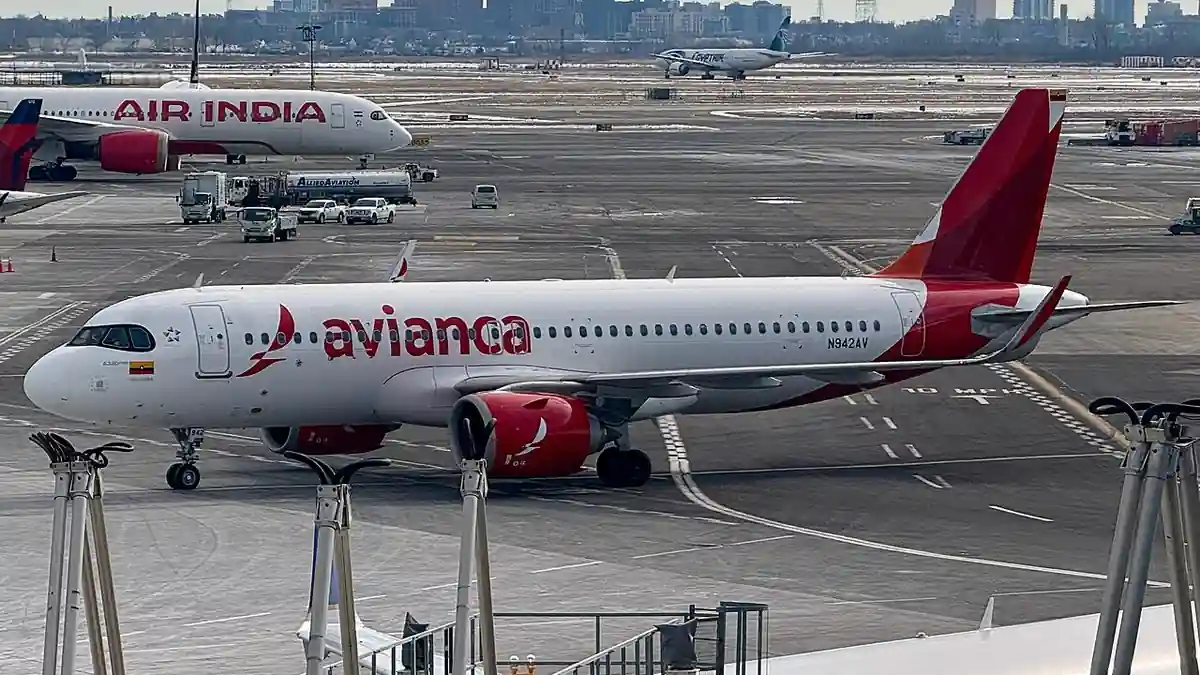
An Avianca flight from Medellín to New York diverted to Miami after severe turbulence injured passengers and crew at cruising altitude. Eight people were hospitalized after the aircraft landed safely.
What happened
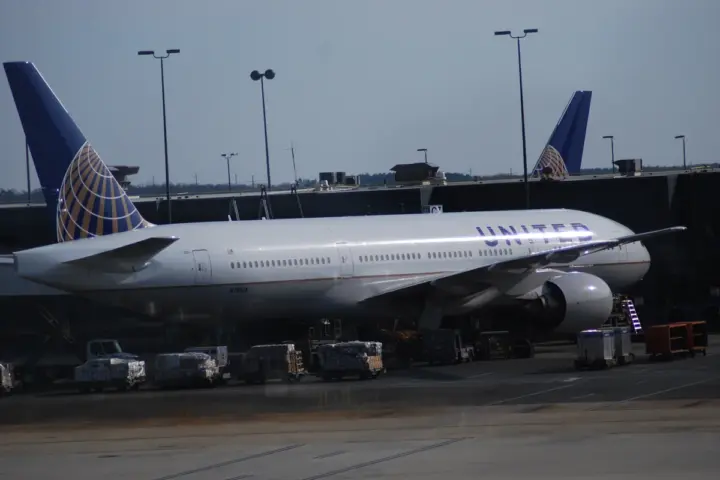
Avianca Flight 042, travelling from Medellín, Colombia, to New York’s John F. Kennedy International Airport, diverted to Miami International Airport on October 9 after encountering turbulence.
Eight people were transported to local hospitals, according to Miami-Dade Fire Rescue. The aircraft landed safely at Miami at about 3:30 a.m. The flight was near 36,000 feet when the turbulence occurred. The Federal Aviation Administration was reported to be investigating.
What it means for passengers
Passengers injured during unexpected turbulence on international flights may have protection under the Montreal Convention, the international treaty governing airline liability for passenger injuries. Because turbulence can occur suddenly, travelers should keep seatbelts fastened whenever seated, as sudden movement can turn unbuckled occupants and unsecured cabin items into hazards.
Airline liability
*Is an airline liable if you are injured during flight turbulence?* Under Article 17 of the Montreal Convention, an international airline can be liable for passenger injuries caused by an accident on board. The treaty’s liability limit is 151,880 Special Drawing Rights for claims arising from events on or after December 28, 2024. Airlines may face higher claims in some circumstances, and the exact outcome depends on the facts and applicable law.
Avianca said the flight diverted as a precaution after encountering unexpected turbulence. Further operational details and the FAA investigation may provide more information.
Check back for updates on the investigation.