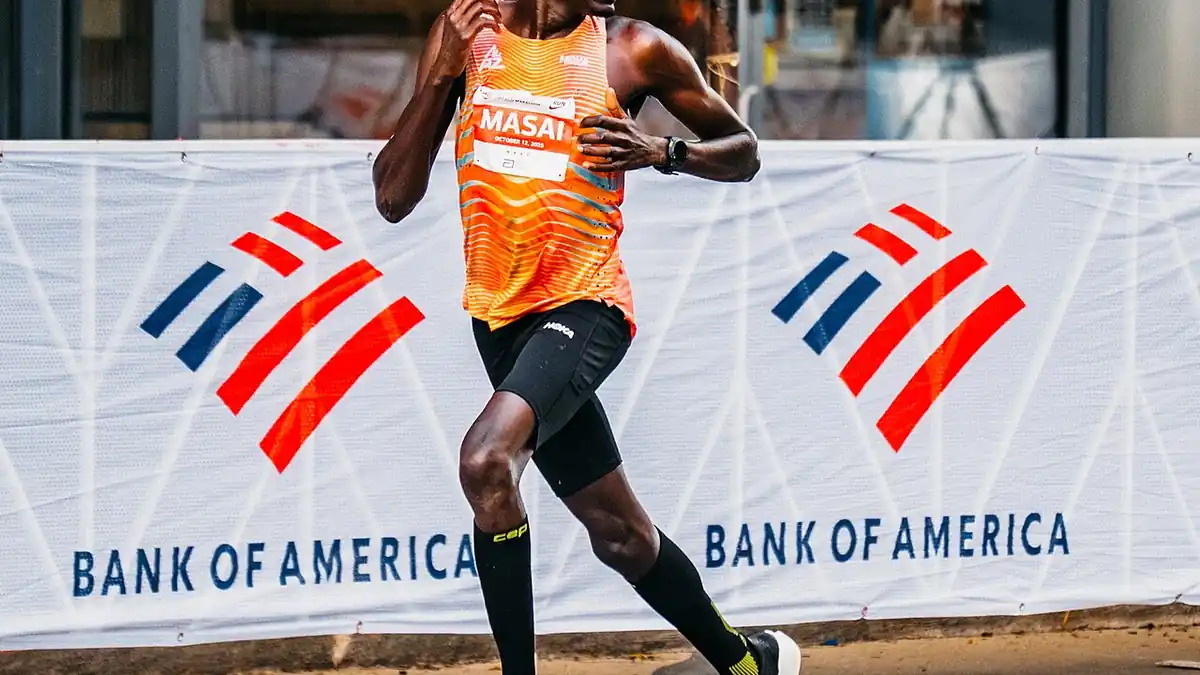
Chicago drivers face widespread street closures along the Bank of America Chicago Marathon route on Sunday, October 11. Vehicles parked on posted course streets can be ticketed and towed from 1:00 a.m., while runners close 26.2 miles of roads across 29 neighborhoods.
What is happening
The 2026 Chicago Marathon begins and ends in Grant Park on Sunday, October 11. More than 55,000 runners will use a 26.2-mile course through 29 neighborhoods, with street closures and parking restrictions affecting residents, visitors and commuters across the city.
The City of Chicago says no-parking enforcement and towing on posted marathon corridors begin at 1:00 a.m. Sunday. Vehicles not removed will be ticketed and towed to the nearest auto pound. Towed-vehicle inquiries can be made through 311 or the city’s towing system.
Race-day street closures begin at about 6:00 a.m. Sunday. The city anticipates reopening streets by 4:30 p.m., or earlier when it is safe to do so.
What it means for drivers
If your vehicle remains parked on any designated marathon corridor after 1:00 a.m. on Sunday, October 11, the City of Chicago will ticket and tow it to the nearest auto pound, requiring retrieval fees and 311 tracking. Drivers cannot cut through surface intersections once the race commences; transit across the city requires using underground CTA L lines or grade-separated expressways like the Dan Ryan and Kennedy, as surface crossing attempts will result in police-enforced turnarounds.
How to get across the city
*Can you drive across the Chicago Marathon course?* No. Surface crossings are prohibited while runners are on the route. Motorists should use grade-separated expressways—the Kennedy/Dan Ryan (I-90/94), Eisenhower (I-290) or Stevenson (I-55)—or take underground CTA subway lines, including the Red and Blue Lines.
The official reopening schedule is expected to be updated through Sunday. Check back for road-clearance updates.