Google WeatherNext 3 AI Brings Hourly Weather Forecasts and 5-Km Precision to Millions

September 4, 2026
1 min read
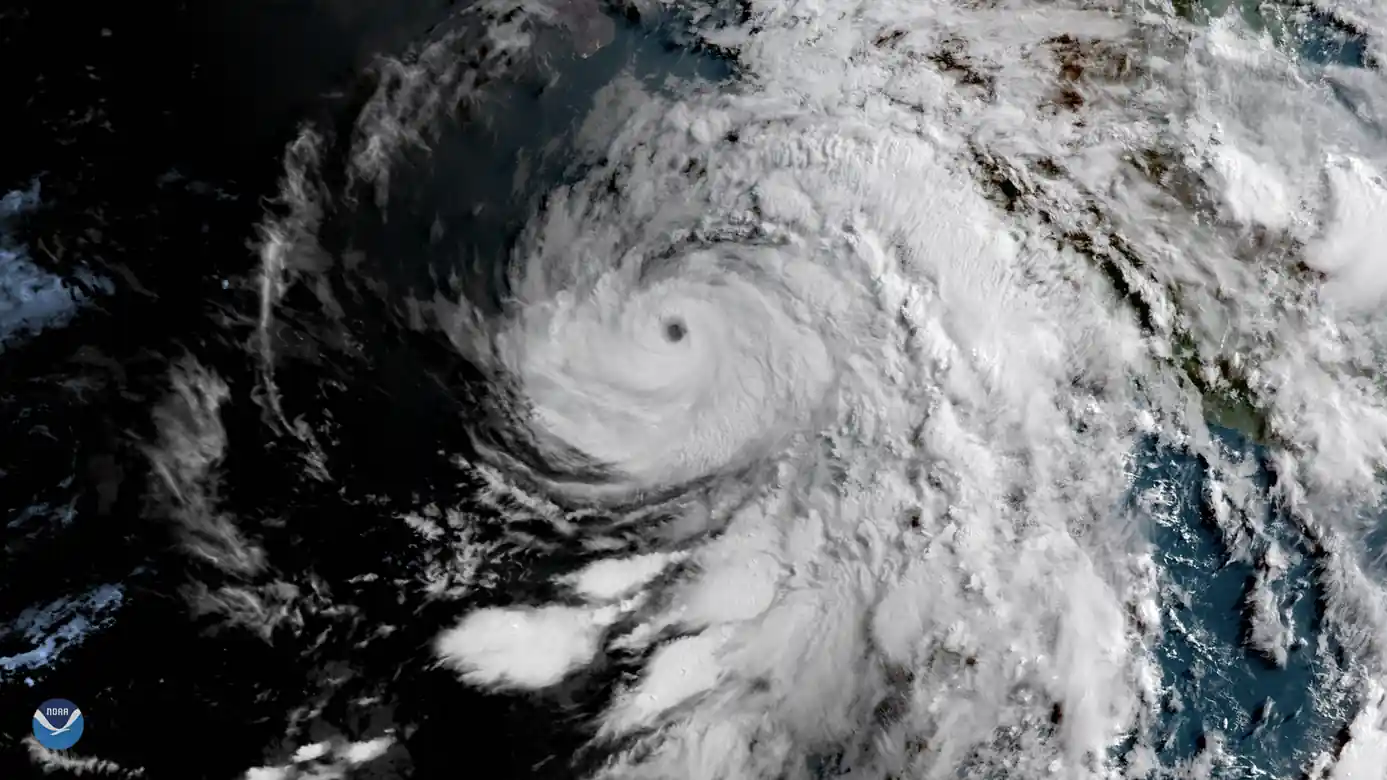
High-resolution geostationary satellite view of cloud formations and atmospheric circulation over the ocean.

Swirling cloud bands captured from orbit illustrate the rapid atmospheric shifts that numerical algorithms attempt to calculate hours before localized storms take shape. As machine-learning architectures assimilate real-time orbital feeds down to five-kilometer grids, minor variances in upper-atmosphere moisture can dictate whether regional electricity networks maintain balance or face abrupt power fluctuations. [Photo Source: NOAA / CIRA / NASA, Public Domain]

Google has launched WeatherNext 3, an AI weather forecasting model that uses real-time satellite observations alongside historical weather analysis. Compared with WeatherNext 2’s six-hour forecast increments, WeatherNext 3 generates hourly forecasts using live global geostationary satellite observations and weather-station observation data used in training.

WeatherNext 3 can represent key surface variables such as temperature and moisture at 5-kilometre resolution, which means it can pick up on weather changes affecting smaller areas. This matters for people deciding whether to carry an umbrella, farmers planning their work, and companies managing wind and solar power plants.

The system is getting integrated into Google Search, Google Maps, Gemini, and Google Cloud. Google reports that independent testing by Brightband confirms the model’s accuracy improvements, and its earlier WeatherNext Cyclones research reported an average one-day lead-time advantage for cyclone track, intensity and wind-structure forecasting, which points to better hurricane and tropical storm prediction.
Rahul Somvanshi

Rahul, possessing a profound background in the creative industry, illuminates the unspoken, often confronting revelations and unpleasant subjects, navigating their complexities with a discerning eye. He perpetually questions, explores, and unveils the multifaceted impacts of change and transformation in our global landscape. As an experienced filmmaker and writer, he intricately delves into the realms of sustainability, design, flora and fauna, health, science and technology, mobility, and space, ceaselessly investigating the practical applications and transformative potentials of burgeoning developments.

Leave a Reply

Your email address will not be published.

Ocean waves crashing onto a beach with white foam, dark green water, and rugged cliffs in the background under gray overcast sky
Previous Story

NOAA Puts 90%+ Odds on Strong El Niño — Old Farmer’s Almanac Calls It a ‘Split Season’ Winter

Ethiopian Cargo Boeing 777-F twin-engine widebody cargo aircraft climbing through the sky
Next Story

Ethiopian Airlines Nears Boeing Deal For 10 Freighters As 897,000-Tonne Hub Grows

Latest from Policy

Rooftop solar panels on a house, illustrating household solar exports under net billing

California’s Net Billing Tariff Explained (NEM 3.0)

California homeowners may use “net metering” as a catch-all term for solar export rules. California’s newer framework is the Net Billing Tariff. The California Public Utilities Commission established it for customers submitting

Don't Miss