Sunita Somvanshi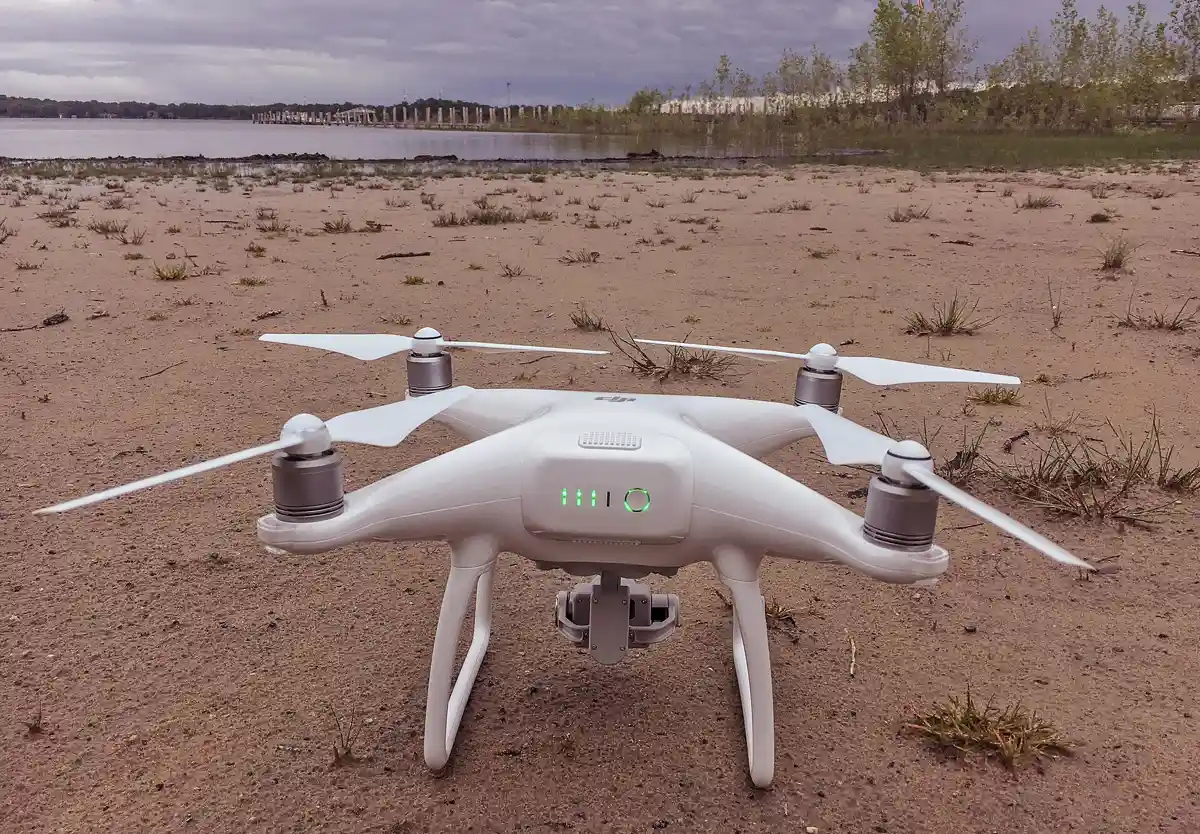
In January 2026, the fishing vessel Fiorella disappeared near the Galapagos Islands with eight crew members aboard. In March, three more Ecuadorian fishing boats—La Negra, the Francisca Duarte II, and Don Maca—reported attacks by uniformed assailants equipped with drones. The survivors’ accounts were consistent: English-speaking attackers, professional military-style operations, devastating force. But who was behind the strikes remains a mystery. The CIA declined to comment. The Pentagon denied involvement. And yet, a Washington Post investigation suggests a covert U.S. government program may have carried out the attacks—a claim that remains unverified as families of missing fishermen demand answers.
## The Fiorella Disappearance: A Missing Crew and No Answers
The Fiorella left port in early January 2026 as an ordinary fishing vessel. Eight crew members were aboard. The boat was headed for fishing grounds near the Galapagos Islands, a region where boats from Ecuador’s coastal provinces regularly operate. By mid-January, the Fiorella ceased all communication. Weeks passed with no sign of the vessel or crew. Ecuadorian authorities launched an investigation, but no wreckage was found, no distress signal was received, and no explanation emerged. As of August 2026, the Fiorella and its eight crew members remained missing.
Families of the missing crew waited for news that never came. Unlike the subsequent March incidents where survivors could describe attacks, the Fiorella case offered only absence: eight men, a fishing vessel, and silence.
## March Attacks: Three More Boats, Consistent Witness Accounts
In March 2026, three fishing boats reported attacks to Ecuadorian authorities. La Negra was attacked by uniformed men equipped with drones. Survivors described professional military tactics, coordinated assault patterns, and weapons they couldn’t immediately identify. The Francisca Duarte II reported a similar attack, also in March. Don Maca reported the same pattern. Across all three incidents, survivor accounts converged on consistent details: the attackers wore American flag patches, communicated in English, operated with military precision, and deployed drone technology for surveillance and assault coordination.
One survivor reported being tracked by drone before the attack began. Others described the attackers coordinating through military-style radio communication. The level of professionalism and technological sophistication distinguished these attacks from typical piracy or cartel violence, which usually relies on less-organized assault tactics.
## The Washington Post Allegation and Official Denials
In August 2026, the Washington Post published an investigation suggesting that a covert U.S. government program conducted the attacks. The investigation cited unnamed sources and cited circumstantial evidence: Operation Southern Spear, a documented U.S. counter-narcotics military operation in Ecuador, was actively destroying drug trafficking vessels in the region. The Post’s reporting suggested the fishing boat attacks might be collateral damage from aggressive counter-narcotics operations targeting suspected drug smuggling vessels.
The Pentagon immediately denied the allegation, stating that U.S. military operations target verified drug trafficking vessels only and employ strict protocols to identify targets before engagement. The CIA declined to comment. The Post’s reporting remained unverified, attributed to unnamed sources, and vigorously denied by U.S. government officials.
As of August 2026, the core question remained unanswered: were the attacks conducted by U.S. government forces, drug cartels, or some other entity? No official attribution had been made. No investigation had definitively identified the attackers.
## The Cartel Explanation: Los Choneros and Los Lobos
An alternative explanation centers on drug cartel activity. Two major cartels operate along Ecuador’s coast: Los Choneros (aligned with Mexico’s Sinaloa cartel) and Los Lobos (aligned with the Jalisco New Generation cartel). These organizations control major ports in Manabí Province and have systematically recruited fishing boats into cocaine smuggling operations.
The cartels use a combination of incentives and coercion. Fishermen receive substantial payments—far exceeding fishing income—to transport cocaine shipments. Those who refuse face intimidation and violence. Some boats are directly commandeered by cartel members. Others are operated by fishermen who view cocaine smuggling as a necessary economic choice given the collapse of legitimate fishing income.
In this context, the boat attacks could represent cartel violence targeting boats that refuse cooperation, boats that fail to complete smuggling missions, or boats competing for the same fishing grounds or smuggling contracts. Cartel enforcement is brutal and often uses unconventional methods. Drone technology is becoming increasingly available to criminal organizations. The attacks’ military precision could reflect cartel operatives with prior military training, a common profile among cartel soldiers.
## Operation Southern Spear: U.S. Counter-Narcotics Presence
The U.S. military presence in Ecuador is substantial. Operation Southern Spear, a counter-narcotics campaign, has been active since September 2025. The operation’s documented results include 67 vessels destroyed, 91,000 kilograms of cocaine seized, 160 arrests, and 220+ personnel casualties (primarily cartel members and smugglers). The operation is ongoing and expanding.
The operation raises genuine accountability questions. When military forces destroy vessels suspected of drug trafficking, how are those vessels identified? What protocols exist to distinguish drug smuggling boats from ordinary fishing vessels? Are civilian casualties acceptable within the operation’s rules of engagement? These questions remain largely unanswered in public documentation.
## Fishermen in the Crossfire: Economic Desperation and Coercion
The fundamental reality of the fishing boat attacks is economic desperation. Ecuador’s fishing industry is collapsing. Legitimate fishing income has fallen dramatically, leaving fishermen unable to feed families through conventional work. Cocaine smuggling pays thousands of dollars for operations that last days—income that dwarfs annual fishing revenue. When faced with starvation or smuggling, many fishermen choose smuggling.
Cartels exploit this desperation ruthlessly. Fishermen are recruited, coerced, or forced into smuggling operations. Some are told their boats will be used; others are simply overwhelmed by cartel operatives. Once involved, exit is nearly impossible. Refusal means violence; attempts to escape mean death.
The boat attacks—whatever their origin—occur within this context of economic desperation, cartel coercion, and fishermen caught between illegal organizations on one side and government military operations on the other.
## Unanswered Questions and the Investigation
Multiple investigations are underway: Ecuador’s government has launched inquiries into the attacks and the Fiorella disappearance; the Washington Post continues investigating its CIA allegation; human rights organizations are documenting the incidents; and international maritime authorities are examining the cases. Yet months after the March incidents and seven months after the Fiorella disappeared, fundamental questions remain unanswered.
Who attacked the boats? What evidence exists for the various allegations? What international oversight, if any, applies to U.S. military operations in international waters near Ecuador? Are civilian casualties acceptable in counter-narcotics operations? Should fishermen—many of them coerced into participation by cartels—be treated as legitimate military targets?
These questions implicate international law, military accountability, and the ethics of counter-narcotics operations conducted in regions with desperate economic conditions and pervasive organized crime.