Sunita Somvanshi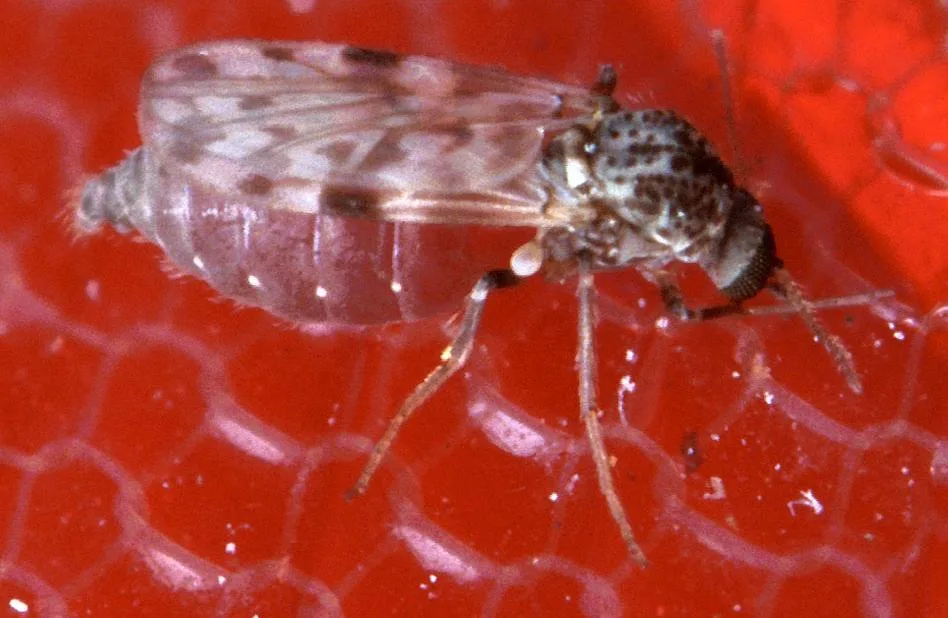
Estimated reading time: 2 minutes
Chandipura virus, a rare pathogen transmitted by sandflies in parts of India, triggered public health surveillance heightening following sporadic case clusters detected in western Indian states during 2026. The virus causes encephalitis—inflammation of the brain—with particular risk to pediatric populations.
Chandipura virus belongs to the Rhabdoviridae family alongside rabies virus and vesicular stomatitis virus. Initial isolation occurred in 1965 from sandfly specimens collected near Chandipura village in Maharashtra. Occasional cases surface in localized areas during monsoon seasons when sandfly populations increase.
The 2026 case cluster, detected through enhanced surveillance networks, involved pediatric patients exhibiting high fever, headache, neck stiffness, and altered consciousness. Laboratory confirmation through RT-PCR testing identified Chandipura virus in cerebrospinal fluid samples. Three confirmed pediatric cases prompted targeted public health response.
Transmission dynamics involve sandfly vectors, primarily Phlebotomus species active during monsoon rains. These tiny insects (2-3 millimeters) prefer warm, humid environments and bite during twilight hours. Behavioral patterns of feeding outdoors during evening/early morning increase exposure risk in endemic areas.
Clinical presentation typically includes biphasic fever, myalgia, and altered mental status. Mortality rates in confirmed cases range 25-50 percent depending on patient demographics, viral strain, and healthcare access. No specific antiviral therapy exists; treatment remains supportive including intensive care management for severe cases.
Prevention strategies emphasize vector control and exposure reduction. Public health authorities recommended expanded indoor residual spraying targeting sandfly habitats in affected villages. Insecticide-treated bed nets provided to at-risk households, particularly families with young children. Community education campaigns promoted evening protective clothing and household screening.
Outbreak investigation established no person-to-person transmission, eliminating secondary spread concerns. All cases linked to geographic location rather than contact exposure, supporting sandfly vector transmission as the sole mechanism. This finding limited outbreak control requirements to vector management and individual protection.
Surveillance expansion detected additional serological evidence of prior Chandipura exposure in contact investigations, suggesting broader circulation than confirmed cases indicated. Seroprevalence studies suggested approximately 2-3 percent antibody positivity in affected villages, indicating recurrent exposure without severe clinical manifestation in most exposures.
Virological characterization revealed genetic similarity to prior isolates from the region, without evidence of emergent variants. This finding suggested stable viral maintenance through sandfly populations rather than recent emergence or human-initiated spread.
The 2026 outbreak response demonstrated India’s enhanced disease surveillance capacity and rapid epidemiological investigation protocols. Continued monitoring, vector control, and community awareness remain essential given risk of recurrent Chandipura transmission in endemic areas during monsoon seasons.
—