 Rahul Somvanshi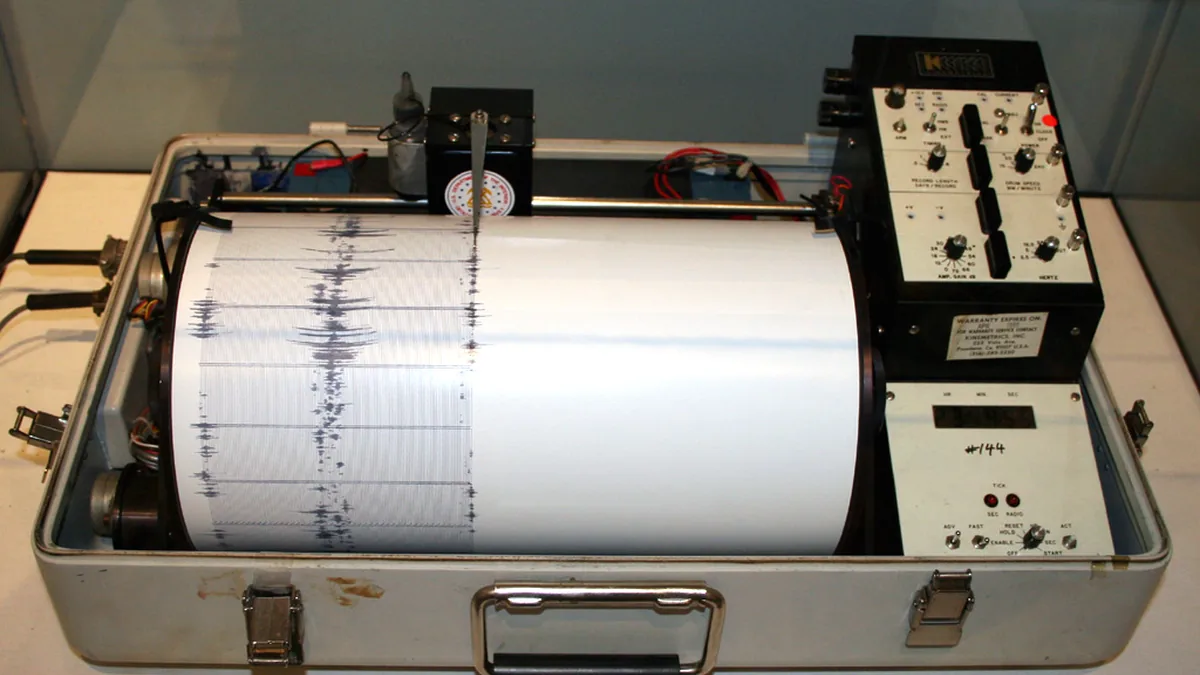
Underground nuclear testing does not just shake the ground once and stop. A new peer-reviewed study has found that North Korea’s nuclear detonations at Mount Mantap altered the stress on surrounding rock and fault lines — and the seismic consequences have been accumulating for years since the last blast.
Researchers identified 1,399 local earthquakes around Mount Mantap between 2008 and 2025. Seismic activity increased following North Korea’s sixth nuclear test in 2017, the largest of the series, with an estimated yield between 100 and 250 kilotons or more. The study was published in the journal Science. It links the ongoing seismic sequence to disturbed faults in the granite massif around Punggye-ri, North Korea’s underground test site. The Comprehensive Nuclear-Test-Ban Treaty Organization and United States Geological Survey monitoring arrays collected the underlying seismogram data, verified by independent geophone stations in China and South Korea.
The reactivation of dormant fault lines creates a long-running monitoring problem around Mount Mantap. The study documents delayed seismicity and fault movement; it does not report confirmed radiation leakage, groundwater contamination, or a collapse of underground containment galleries.
How Nuclear Detonations Permanently Alter Crustal Stress
When a nuclear device detonates underground, the shockwave radiates outward through surrounding rock. In the immediate vicinity, rock vaporizes and melts. Farther out, the explosion creates a cavity that can collapse. This is the blast aftershock phase — the kind of seismic activity everyone expects immediately after a test.
The study’s key finding is different. Researchers applied Coulomb stress transfer analysis — a method used in earthquake science to calculate how stress redistributes along fault systems after a rupture. The 2017 detonation transferred enough stress to existing faults around Mount Mantap that those faults began slipping independently of the blast itself.
The seismic focal mechanisms — the mathematical signatures of how fault planes moved — show that the earthquakes recorded after 2017 are not cavity collapses. They are genuine tectonic strike-slip fault displacements. The nuclear tests permanently restructured local tectonic equilibrium, and the faults are now moving on their own timeline. [LINK: How earthquake fault detection technology works]
The researchers mapped post-test earthquakes along fault structures around Mount Mantap and treated those patterns as evidence that the mountain’s stress field had changed. For context, the 2017 nuclear test itself registered as a major seismic event on monitoring networks, but the new study focuses on delayed fault reactivation rather than predicting a specific future earthquake size. [LINK: Nuclear testing environmental legacy and remediation]
Standard coverage of North Korea’s ongoing seismic activity describes the tremors as fading aftershocks from a past explosion. The Science study’s focal mechanism data contradicts that framing. The earthquakes are not diminishing residual vibrations — they reflect independent fault displacement driven by altered regional stress. The test did not simply shake the mountain. It changed the mountain’s internal mechanics.
The CTBTO and USGS seismic monitoring networks continue to track Mount Mantap activity. South Korea’s National Institute of Meteorological Sciences is expected to release updated seismic telemetry reports as this research is peer-reviewed further. Any detected increase in seismic frequency or magnitude at Punggye-ri would warrant close attention from international monitoring bodies.
FAQ
Can underground nuclear tests cause real earthquakes years later? Yes. High-yield underground nuclear explosions alter subterranean stress fields in surrounding rock and fault systems. When located near pre-existing faults, the sudden stress transfer can reactivate dormant tectonic planes, which then produce independent earthquakes for years or decades after testing stops. The Mount Mantap study documents this transition from blast aftershocks to tectonic fault displacement.
Is North Korea’s nuclear test site collapsing? The study identifies ongoing seismic activity consistent with structural changes inside and around Mount Mantap, but researchers describe fault reactivation rather than confirmed collapse. The risk of future structural failure — which could affect underground containment — is part of what makes continued seismic monitoring of the site important.
Is radiation leaking from Mount Mantap? No confirmed radiation leak from Mount Mantap has been publicly reported by international monitoring bodies. The research does not identify a confirmed radiation leak. Continued seismic monitoring is used to track whether the altered fault system keeps producing earthquakes.