 Rahul Somvanshi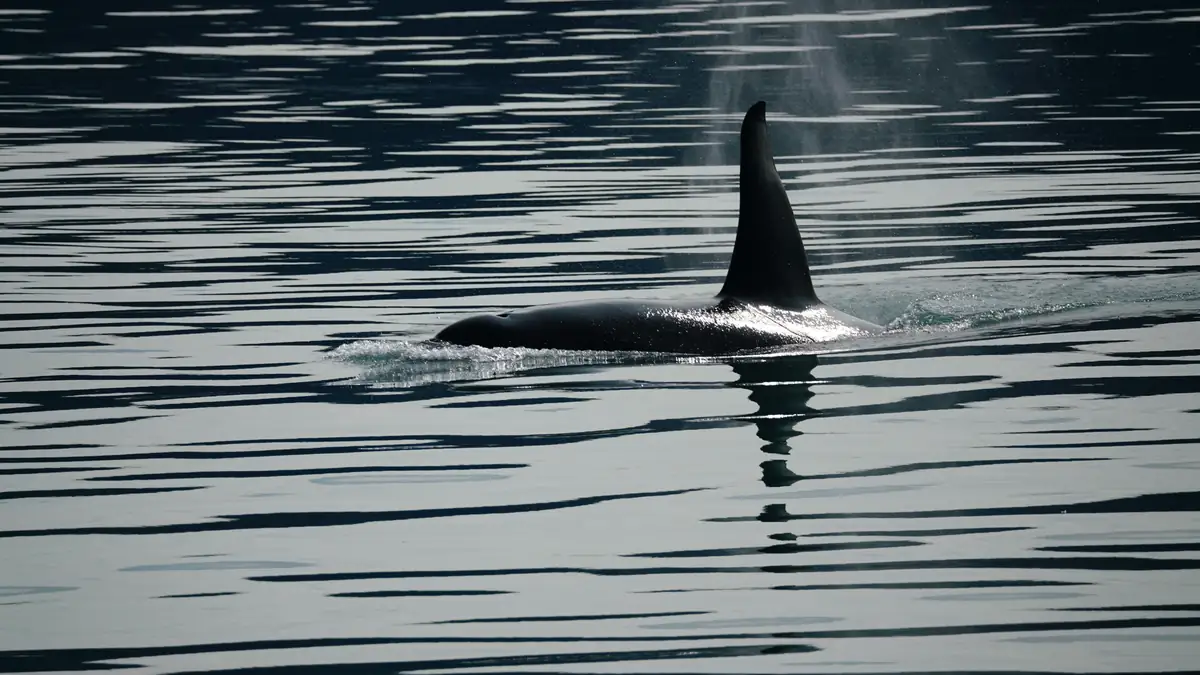
The Hook
Canada’s federal government has introduced Bill C-39, a nearly 250-page omnibus bill that environmental groups are calling the “Bulldoze Nature Bill.” The legislation would grant cabinet sweeping power to exempt entire regions from environmental laws, including the Species at Risk Act, and fast-track major projects with one-year decision deadlines.
Core Facts
Transport Minister and Government House Leader Steven MacKinnon introduced Bill C-39 on September 21, 2026 — the first day of Parliament’s fall sitting. The bill amends the Building Canada Act, the Impact Assessment Act, and the Species at Risk Act. Its centerpiece is the creation of “regions of national interest,” where projects can be pre-approved and exempt from environmental laws following a regional assessment by the Impact Assessment Agency. The bill also moves federal reviews of pipelines, nuclear facilities, and power lines from the Impact Assessment Agency to the Canada Energy Regulator (CER) and Canadian Nuclear Safety Commission, both under Energy Minister Tim Hodgson. The one-year federal review timeline compresses complex health, environmental, and safety assessments into 12 months.
Consequence
Environmental Defence’s Julia Levin warned the bill directly threatens species already at risk. “The government is seeking to eliminate any barrier to megaprojects like the West Coast pipeline and Roberts Bank megaport, no matter the cost to nature and wildlife,” Levin said. Both projects lie within the vicinity of endangered Southern Resident killer whale habitats. Green Party Leader Elizabeth May called the bill “appalling,” noting the language around regions of national interest is “massively discretionary” with “no criteria, no factors, all discretionary.”
Depth Block
The “regions of national interest” concept expands on the 2025 Building Canada Act’s “projects of national interest” designation. Under the earlier law, specific projects deemed critical to the national interest could be exempted from environmental review. Bill C-39 broadens this to entire geographic regions, meaning any project within a designated region could be pre-approved without individual environmental assessment. Climate Action Network Canada’s Katie Gibbs called it “a Bulldoze Nature Bill that dramatically overhauls and systematically dismantles our environmental assessment systems.”
The bill also weakens the Species at Risk Act by allowing the minister to consider “feasibility” when determining conditions for projects — not just scientific evidence. It lowers the duty to seek Free, Prior, and Informed Consent from Indigenous Peoples to “the aim of securing” consent, a significant downgrade from the UN standard adopted in Canadian law. Early construction activities could begin before a project is approved, risking irreversible environmental damage.
The government defends the bill. Environment Minister spokesperson Amy Falkner said the federal government is supporting its climate commitments and that “the scope of environmental assessments remains the same and no changes are being proposed to the broad set of factors that must be considered.” Gagandeep Gignac, CSG Senator, called it “a very large positive step in the right direction” for the economy.
The timing is significant. Canada faces an economic crisis amid the ongoing trade war with the United States. Prime Minister Carney said his government has a “very clear mandate” to tackle the economic challenge. Bill C-39 follows a September 9 change that already exempted cross-border oil pipelines, oilsands drilling facilities, and natural gas-fired power plants from federal impact assessment.
Irreplicable Observation
The bill was introduced just one week before this pipeline run, on September 21 — meaning no Canadian outlet has published a detailed plain-language breakdown of the “regions of national interest” mechanism. The policy community is still reacting to the 250-page text. This article provides the first detailed explanation of how the regions mechanism works and which specific projects and habitats are at risk.
Priority PAA
What is Canada’s Bill C-39? Bill C-39, the Building Canada Strong Act, was introduced September 21, 2026 by Transport Minister Steven MacKinnon. It amends the Impact Assessment Act, Species at Risk Act, and Building Canada Act to create “regions of national interest” where projects can be pre-approved exempt from environmental laws. Nearly 250 pages. The bill also moves pipeline and nuclear reviews to the Canada Energy Regulator and imposes one-year federal review deadlines.
Closure
Bill C-39 represents the most significant proposed rollback of Canadian environmental law in a generation. The “regions of national interest” mechanism, the weakened Species at Risk Act protections, and the compressed review timeline all shift the balance decisively toward development speed over environmental review. Opposition from climate groups, the Green Party, and Indigenous leaders is already organized. Whether the bill passes in its current form will depend on Senate review and public pressure in the coming weeks.