 Govind Tekale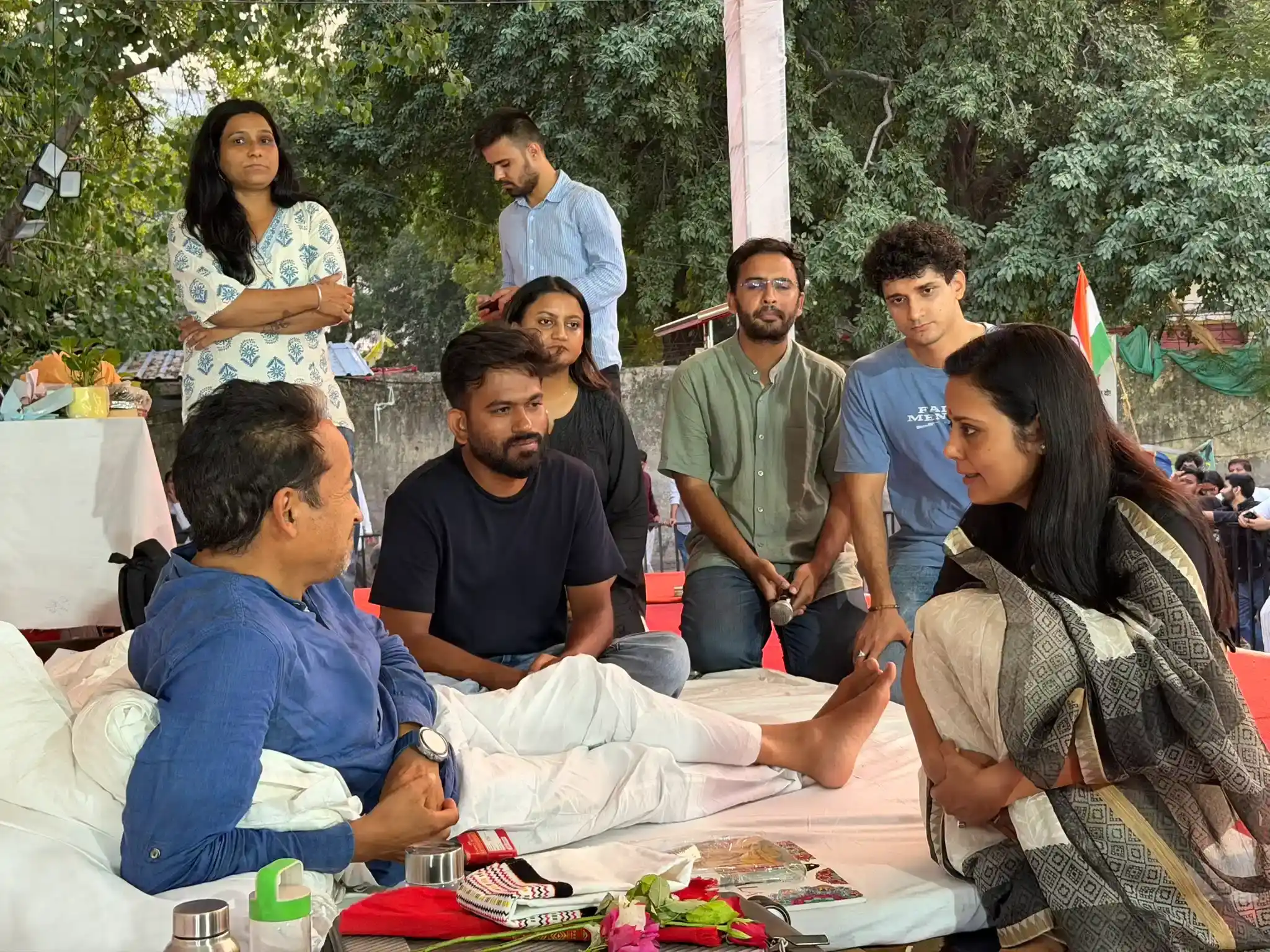
Ashutosh Ranka, co-convener of the Cockroach Janta Party (CJP), was released by Assam police on September 27 after his detention at a Guwahati residence where volunteers had gathered for a movement coordination meeting. Ranka addressed reporters following his release, restating the party’s position on state governance and saying police action would not deter its work.
The detention occurred at a private residence where CJP had scheduled a volunteer meet-up. According to CJP spokesperson Anish Gawande, those taken into custody included 41 local volunteers, Ranka associates Ankit Bharadwaj and Prem Aakash, and six women. The Hindu reported that they were taken to Dispur police station, with some later moved to the 10th Assam Police Battalion. The oldest detainee was a 72-year-old woman. Police did not publicly state reasons for the detention.
Gawande alleged that detainees were not provided legal notices or informed of the sections of law invoked. CJP founder Abhijeet Dipke said lawyers attempting to access the detained persons were not permitted entry. The claims add to the party’s ongoing disputes with state authorities over procedural compliance during arrests and detentions.
Ranka’s statement after release
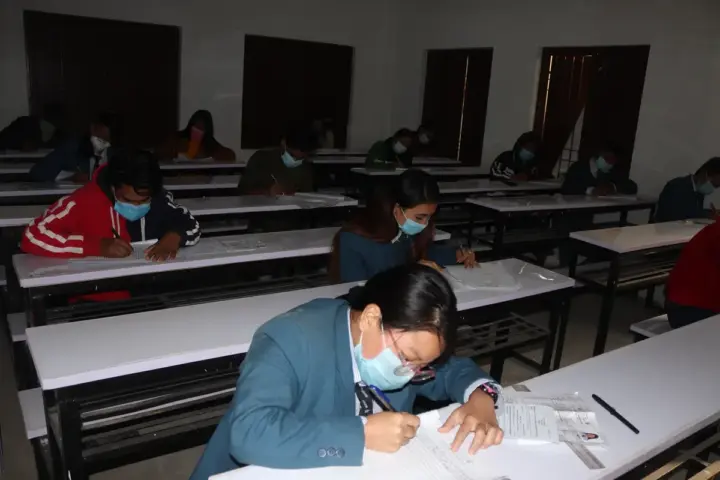
After leaving police custody, Ranka said CJP had planned to discuss four areas: conditions in Assam’s schools, land rights and eviction claims related to Kaziranga, the detention of activists, and constituency boundary redrawing. He alleged that Chief Minister Himanta Biswa Sarma feared exposure of these issues.
Ranka’s post-release remarks used the party’s cockroach metaphor as a statement of resilience. “We are not people who get scared by threats, intimidation, or hollow bluster,” he said in the translation supplied from his Hindi statement. “We are fighting for our rights. The public is ready, the people of Assam are ready. We are not people who will be scared by your empty threats.”
The line follows earlier CJP mobilization around election and rights questions. Karmactive previously covered CJP’s demand for action against the Election Commission in the Gyanesh Kumar SIR dispute and the wider youth movement around Abhijeet Dipke and CJP’s Gen Z campaign.
Schools, Kaziranga and delimitation claims
DW reported that Ranka accused Sarma of being afraid that Assam’s school conditions would be exposed. CJP also raised allegations that rights in Kaziranga were being taken away, including water, forests and land, and handed to corporate allies. These are political allegations by CJP and Ranka; the state government has not accepted them as fact.
The party also brought up Assam’s 2023 delimitation exercise, alleging that constituency boundary changes affected voters and political representation. For readers following Assam’s recurring infrastructure and climate-related disputes, Karmactive’s earlier reporting on Assam floods, embankments and wetlands gives background on why land, water and governance disputes carry local urgency.
Government response
When asked about the detention, Chief Minister Himanta Biswa Sarma did not directly address the police action, according to The Hindu. He said suggestions from any party, including CJP, on health and education would receive priority consideration. That response left unanswered the party’s questions about why the group was detained and what legal basis police used.
Jorhat MP Gaurav Gogoi criticized the police action, adding parliamentary-level scrutiny to a dispute that remains centered on Assam politics. The detention drew attention to CJP’s activities in the state, where the party is trying to position itself around schools, land rights, civil liberties and rural grievances. Karmactive’s coverage of India’s social-media blocking orders has also tracked how dissent and speech disputes are moving into governance debates.
The immediate consequence is practical: CJP says it will keep organizing in Assam after the release, while the government says it is open to suggestions on education and health. Whether police provide a public legal explanation for the detention will shape the next phase of the confrontation.