 Sunita Somvanshi
If you're in a hot, crowded part of the world over the next few months, a new study says the coming El Niño season carries real stakes for people like you. Researchers at the University of Chicago project that this year's unusually strong El Niño could drive up to 451,000 additional heat-related deaths worldwide between June 2026 and February 2027, with the Global South, including India, facing some of the sharpest increases.
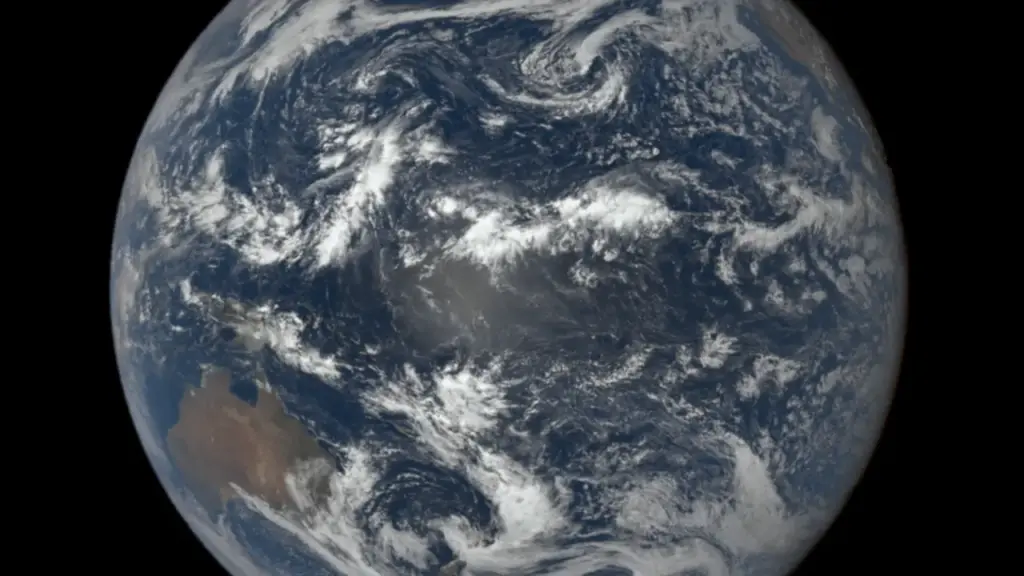
The University of Chicago's Climate Impact Lab published the projection, which compares expected deaths during this El Niño period against a typical year. The 451,000 figure is a projection based on modeling, not a count of deaths that have already happened. The Lab's broader mortality model divides the world into more than 24,000 regions to build localized mortality relationships. Within that global total, the study projects approximately 15,800 additional heat-related deaths in India specifically, while the report says impacts are concentrated overwhelmingly in the Global South, including the Sahel, Southeast Asia, Indonesia and Brazil. El Niño is a natural climate pattern that periodically warms the surface of the tropical Pacific Ocean, and a stronger-than-usual episode tends to push global temperatures higher and disrupt normal rainfall, feeding drought and wildfire risk in some regions.
For people in heat-vulnerable regions, this means the months ahead carry elevated health risk on hot days, particularly for outdoor workers, older adults and anyone without reliable access to cooling. The study's authors say early-warning systems, cooling centers and protections for outdoor workers could meaningfully reduce the death toll before it happens.
Why India Is a Focal Point in the Data
The India-specific number matters because it turns a global abstraction into a locally relevant figure. India is projected to see 15,800 additional deaths, while the report says the largest impacts are concentrated overwhelmingly in the Global South more broadly. That is a modeled estimate, not a running tally, so the number will not be confirmed or denied by a single official death count as the months pass.
The study does not simply forecast hot weather and extrapolate a death rate. It layers seasonal temperature forecasts onto place-specific mortality relationships built across the Climate Impact Lab's broader mortality model of more than 24,000 regions, which is why the projection reads as more granular than a simple global average would allow.
What This El Niño Season Actually Involves
A stronger El Niño typically means hotter average temperatures, drier conditions in some tropical regions, and a higher chance of drought and wildfire activity, alongside flooding risk in other areas. Outlets including ITV News and international wire coverage have reported the same 451,000 figure within hours of the study's release, underlining how fast this data point has spread through global climate reporting. The Climate Impact Lab frames the number as a call to action for early intervention rather than an inevitable outcome, since many of the projected deaths could be prevented with adequate warning systems and cooling access.
People in the Sahel, Southeast Asia and other tropical, lower-income regions face the highest projected impact, largely because these areas combine high baseline heat exposure with fewer resources to adapt quickly. The researchers say targeted interventions could reduce the eventual toll, stopping short of describing the deaths as locked in.
Frequently Asked Questions
How many additional deaths could El Niño cause?
The Climate Impact Lab estimates up to 451,000 additional heat-related deaths between June 2026 and February 2027, compared with a typical year. This is a projection built from climate and mortality modeling, not a count of deaths that have already occurred.
How many deaths are projected in India? The same study projects approximately 15,800 additional heat-related deaths in India during the same period, making it one of the more significant single-country figures within the global estimate.
The 451,000 figure is a projection covering June 2026 through February 2027, built from climate forecasts and region-by-region mortality data rather than deaths already recorded. India's share of that projection sits at roughly 15,800. Researchers say targeted heat warnings and cooling access could reduce the final toll before the period ends.