Medicare Drug Prices Set to Save 45% From 2028, and Oz Says “Millions Leave the Pharmacy Empty-Handed”
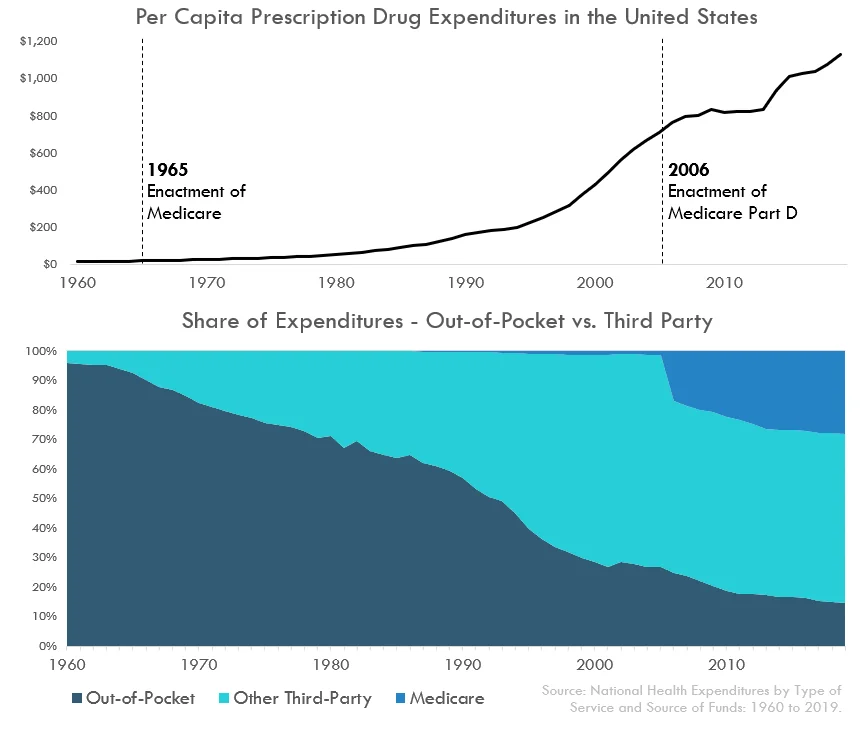
If you take an expensive Medicare drug for cancer, asthma, diabetes, or an autoimmune disease, your costs could drop in 2028. The Centers for Medicare & Medicaid Services (CMS) announced on November 23, 2026 that negotiated prices are set for 13 high-cost drugs. The agency estimates net savings of 45%, or $9.2 billion.
CMS negotiated drug prices for 2028 cover 13 drugs in the third round of Medicare’s drug price negotiation program. The new prices take effect on January 1, 2028. CMS estimates that net spending on these drugs would have been 45% lower in 2025 if the prices had applied that year. About 1.4 million people with Medicare Part D used the Part D drugs in 2025. Those drugs cost $22.3 billion gross, roughly 6% of Part D drug spending. Roughly 120,000 people used the four Part B drugs, a $3.3 billion category. This round is the first to include Part B drugs.



Latest from Health

Rural children miss more sleep than urban peers, and screen time is only part of the story
If your child lives in a rural area, they may be more likely to fall short on sleep. A study published in *Preventing Chronic Disease* on November 25, 2026 found that rural
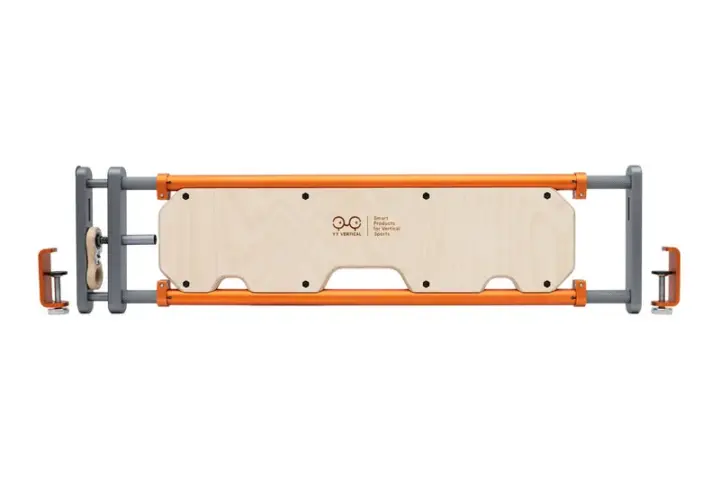
YY Vertical VerticalBase Doorway Mount Recall Covers 227 Units After Injury Report
If you bought a YY Vertical VerticalBase hangboard doorway mount on Amazon, stop using it now. YY Vertical has recalled the mount, which the U.S. Consumer Product Safety Commission (CPSC) lists as

Justforjoyful Refrigerator Magnets Recall Pulls 1,300 Amazon Sets Over Lead and Phthalates Bans
Justforjoyful Farm Animals Refrigerator Magnets are under a U.S. recall because they contain lead and phthalates above federal limits. Both substances can harm young children who mouth or swallow them. If you

CDC Data: 83.5% of U.S. Adults Visited a Doctor in 2025, With Lower Rates Below 400% FPL
New CDC data shows 83.5% of U.S. adults visited a doctor or other health professional in 2025. That leaves 16.5% who did not, based on simple arithmetic from the same national figure.

EPA and CBP Block Over 490,000 Pounds of Illegal Pesticides and Hazardous Imports in Southern Border Push
If you buy weed killer, insect spray, or garden chemicals in the United States, you need to know they are legal and safe to use. Since January 2026, EPA and CBP inspectors
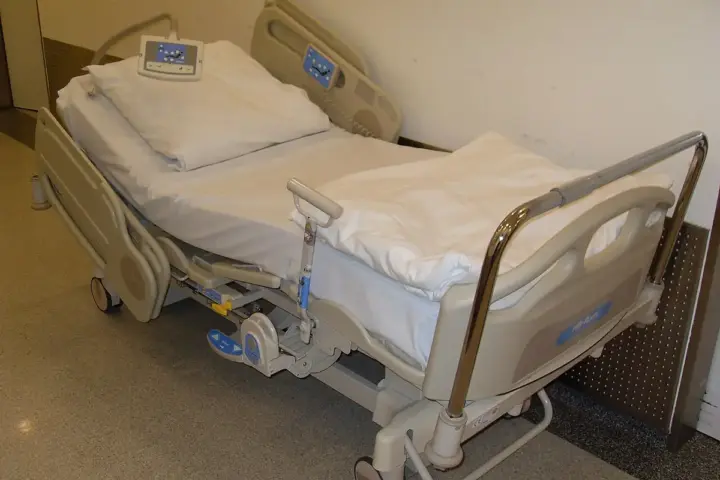
Amazon Portable Bed Rail Recall: 8,396 HOMEAL and Easymake Units Pulled Over Fatal Entrapment Risk
If you use an adult portable bed rail bought from Amazon.com, check the model number today. Two rails sold on the site were recalled on November 25, 2026, because a person can

HHS and CMS Launch $47 Million MAHA ELEVATE Medicare Pilot for Nutrition and Lifestyle Medicine
If you or a parent on Medicare lives with diabetes, high blood pressure, heart failure, obesity, or dementia, you may wonder about lifestyle care. Could diet and lifestyle coaching one day be
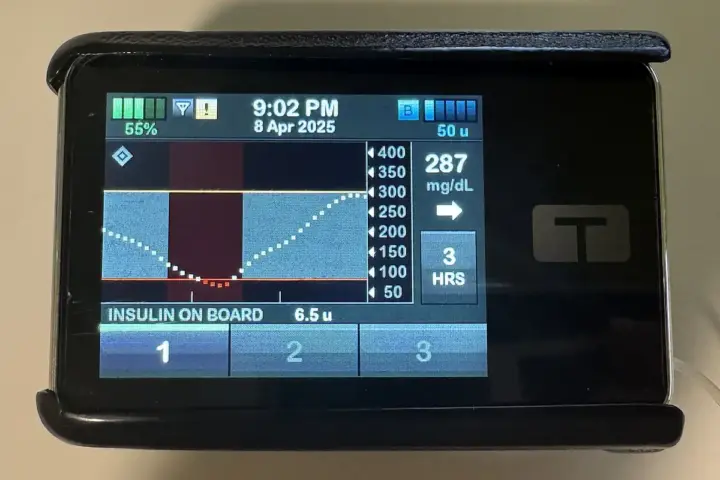
FDA Issues Most Serious Recall Alert for Tandem Mobi Insulin Pumps After 1,248 Serious Injuries
If your son or daughter uses a Tandem Mobi insulin pump, you need to know one thing today. The pump can suspend insulin delivery even when no blockage exists. The U.S. Food
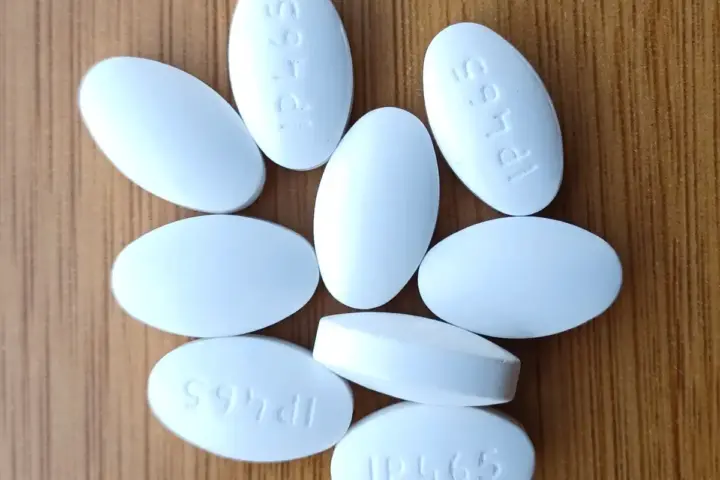
Ibuprofen 800mg Recall Lot GS069303: Aluminum Particulates on Tablets
If you take prescription ibuprofen for arthritis, mild to moderate pain, or menstrual cramps, check your bottle for Lot GS069303 now. An Ibuprofen 800mg recall covers one lot sold across the United
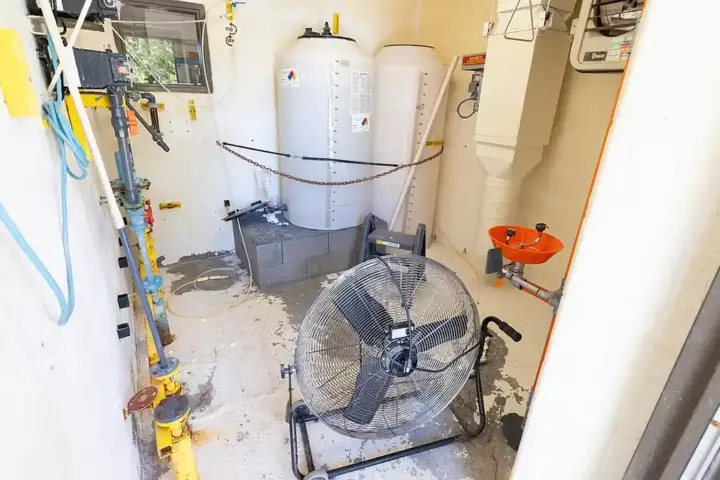
EPA Chemical Safety Settlements Top $1.3 Million Across California and Arizona
Live or work near a plant that stores ammonia or chlorine gas? New EPA Clean Air Act settlements in California and Arizona could matter to you. Federal regulators reached deals with eight
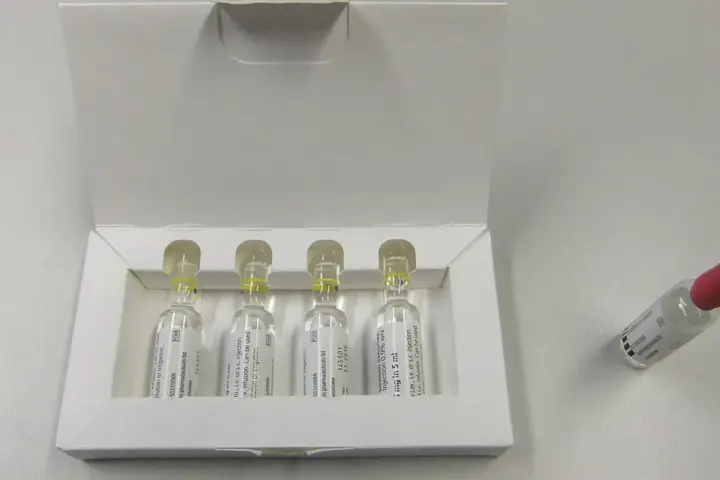
Par Health Recalls 46 Lots of 6 Injectable Drugs Over Particulate Matter
Par Health Recalls 46 Lots of 6 Injectable Drugs Over Particulate Matter If you work in a hospital, surgery center or pharmacy, we recommend checking your stock today. Par Health is pulling

NIH BRAIN Initiative Cell Atlas Maps the Basal Ganglia
Families affected by Parkinson’s disease, Huntington’s disease or autism may want to know which parts of the brain are involved. On November 12, 2026, NIH-funded researchers published a large set of studies

USDA Alert: Frozen Meat and Poultry Products Carry Undeclared Sesame
If you bought frozen Bami Rolls, Saté Kroketten or Bitterballen online, check your refrigerator or freezer and do not eat them. You may also have bought them at a festival or farmers

Residential Solar Heat Mortality: Rooftop Panels Cut Extreme-Heat Deaths by 8.5% in Japan
Residential solar heat mortality in Japan fell as rooftop panels spread across the country. A study in Social Science & Medicine reports the finding, and points to a practical way to keep

International TOAR-II Ozone Assessment Ties Smog to 500,000 COPD Deaths
If you have a parent or partner with COPD, a long-term lung disease, ozone matters to you. The same goes for anyone who checks the air quality forecast before a run. Ground-level