USDA Hires 228 for Sterile Fly Production Facility in Texas
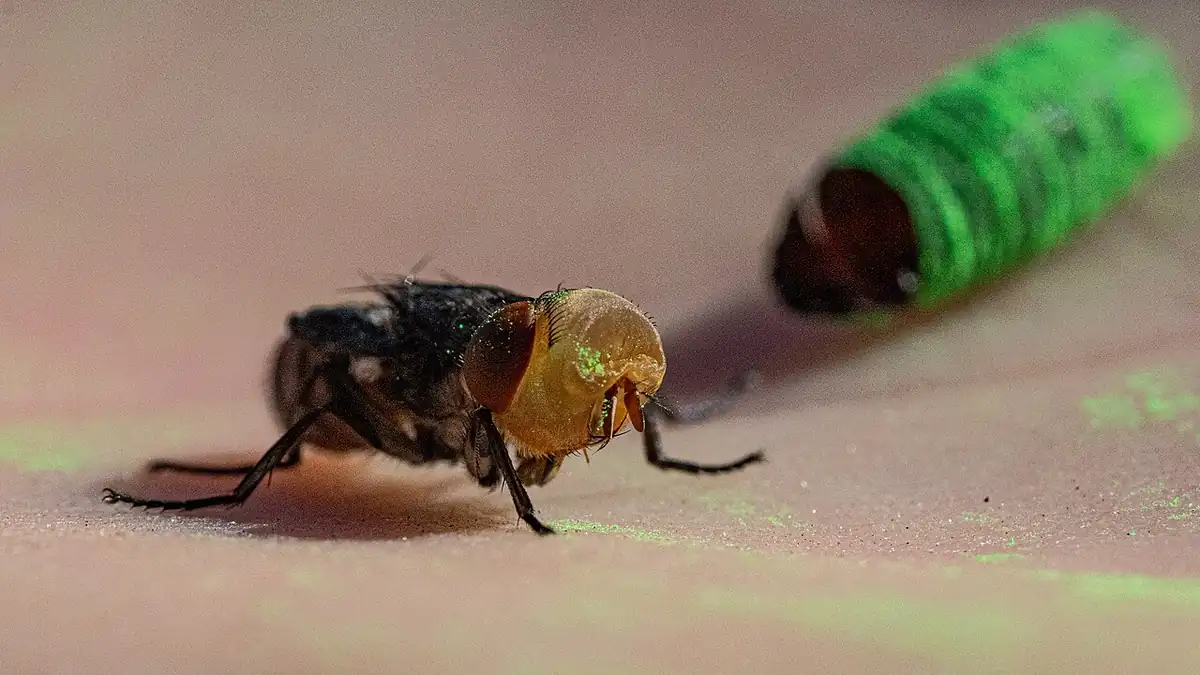
If you raise cattle, horses, or pets in South Texas, New World screwworm is a threat worth watching for. The U.S. Department of Agriculture (USDA) has opened hiring for 228 positions to help fight it. The jobs are at a new sterile fly facility in Edinburg, Texas. Here is what the work involves, how the pest is controlled, and how to apply.
On November 10, 2026, USDA announced hiring for 228 positions at the New World Screwworm Sterile Fly Production Facility in Edinburg, Texas. Agriculture Secretary Brooke L. Rollins made the announcement. USDA describes the site as the nation’s largest facility built to combat the pest. Its job is to produce sterile flies, the core of the control method explained below. Online applications opened through USAJobs.gov on November 10. The notice also listed a hiring event in McAllen, Texas, from November 17 to 19, 2026. Those dates have now passed.
For South Texas cattle ranchers, veterinarians, and wildlife managers, the hiring drive means more staff for the federal effort in Edinburg. The positions support the pest response at the site. For job seekers in the Rio Grande Valley, the 228 roles are federal jobs with varied duties. Each posting carries its own qualifications and closing date, so applicants should check the listings before applying rather than assume a role stays open.

Latest from Environment
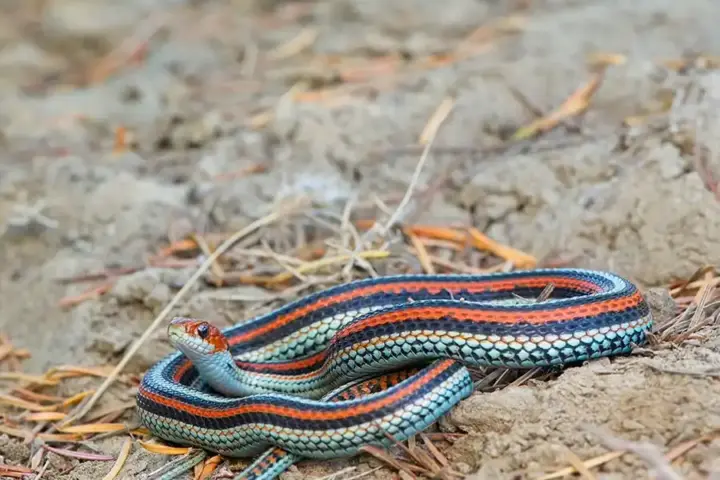
62 Endangered San Francisco Garter Snakes Return to the Wild in Historic First, With 130+ More Coming in 2027
62 Endangered San Francisco Garter Snakes Return to the Wild in Historic First, With 130+ More Coming in 2027 If you have ever worried that a local species is slipping away, this
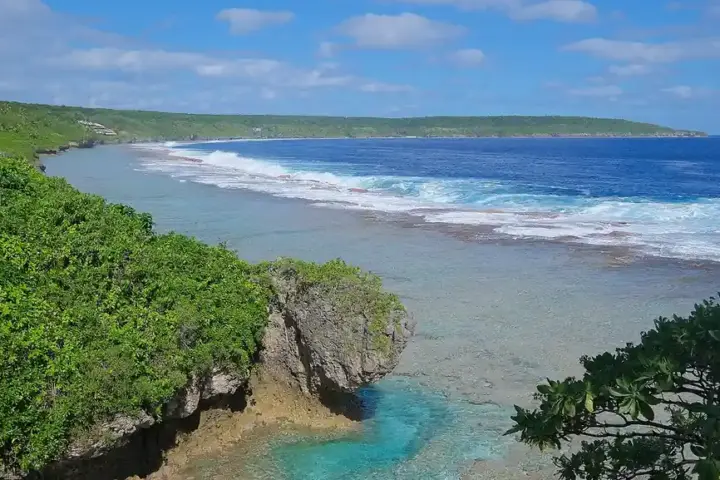
Niue Ocean Earthshot Prize Win Pushes Endowment Fundraising Past Halfway as Fish Biomass Rises 60% Since 2016
Niue Ocean Earthshot Prize Win Pushes Endowment Fundraising Past Halfway as Fish Biomass Rises 60% Since 2016 Marine parks need steady funding to stay protected. Niue, a small island nation in the
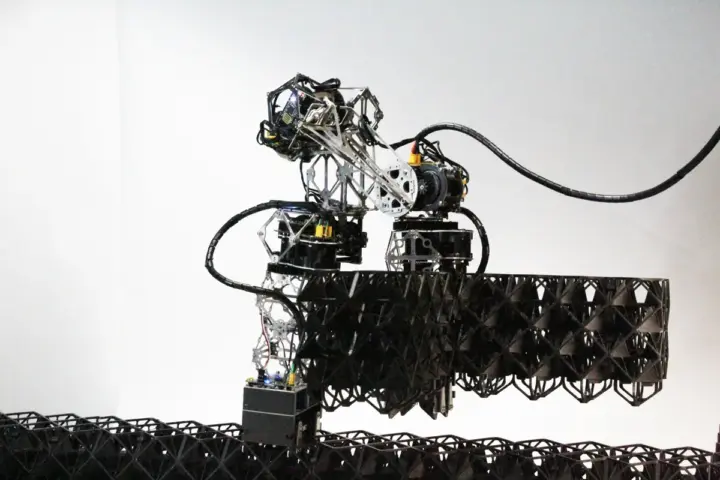
MIT Voxel Building Blocks Could Cut Embodied Carbon by Up to 82% in One-Story Building Study
MIT Voxel Building Blocks Could Cut Embodied Carbon by Up to 82% Concrete and steel can account for substantial embodied greenhouse-gas emissions in buildings. If you worry that every new home, school,
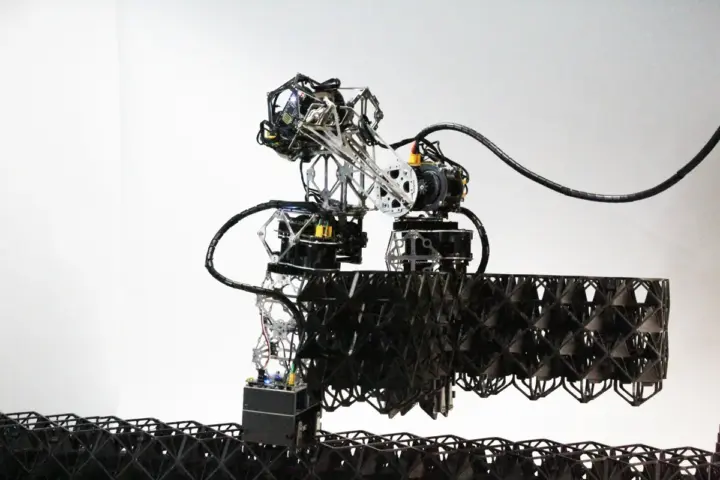
MIT Voxel Building Blocks Could Cut Embodied Carbon by Up to 82% in One-Story Building Study
MIT Voxel Building Blocks Could Cut Embodied Carbon by Up to 82% Concrete and steel can account for substantial embodied greenhouse-gas emissions in buildings. If you worry that every new home, school,
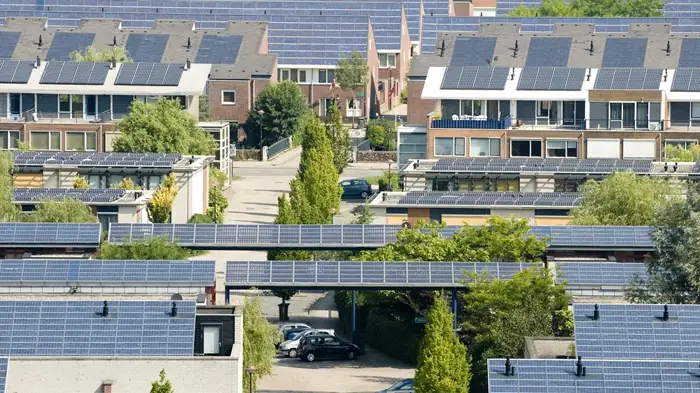
Residential Solar Heat Mortality: Rooftop Panels Cut Extreme-Heat Deaths by 8.5% in Japan
Residential solar heat mortality in Japan fell as rooftop panels spread across the country. A study in Social Science & Medicine reports the finding, and points to a practical way to keep
International TOAR-II Ozone Assessment Ties Smog to 500,000 COPD Deaths
If you have a parent or partner with COPD, a long-term lung disease, ozone matters to you. The same goes for anyone who checks the air quality forecast before a run. Ground-level
NOAA Ocean Observations Request for 2026 Closes Dec. 15
NOAA Fisheries wants to hear from you. If you spent time on the water in the Gulf of Maine, Georges Bank or the Mid-Atlantic Bight in 2026, tell the agency what you

COP31 Ends Without Antalya Pact as National Pledges Track 2.6–2.7°C of Warming
Will the world still meet the Paris Agreement’s temperature goal? The UK government’s latest answer is mixed. COP31 ends without Antalya Pact consensus; the annual UN climate summit formally closed on 22
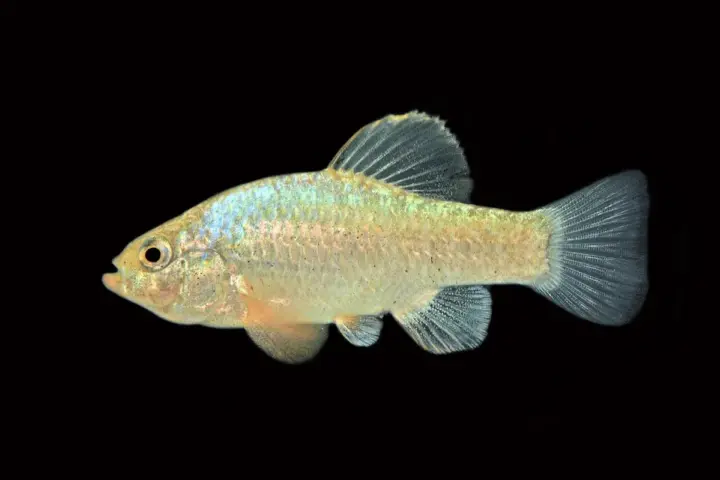
White Sands Pupfish Threatened Status Proposed Under the ESA
A fish about two inches long, found only in south-central New Mexico, has moved a step closer to federal protection. Federal wildlife officials now propose listing it as threatened under the Endangered
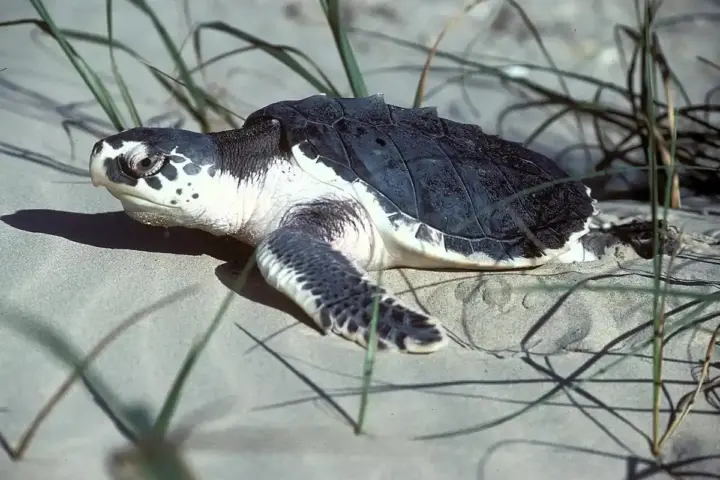
Kemp’s Ridley Sea Turtle Nests Surge 55% on Texas Beaches
Texas beachgoers may see more signs of Kemp’s ridley sea turtle nesting this year. Federal and state partners documented 697 nests along the Texas coast in 2026, up from 449 in 2025.
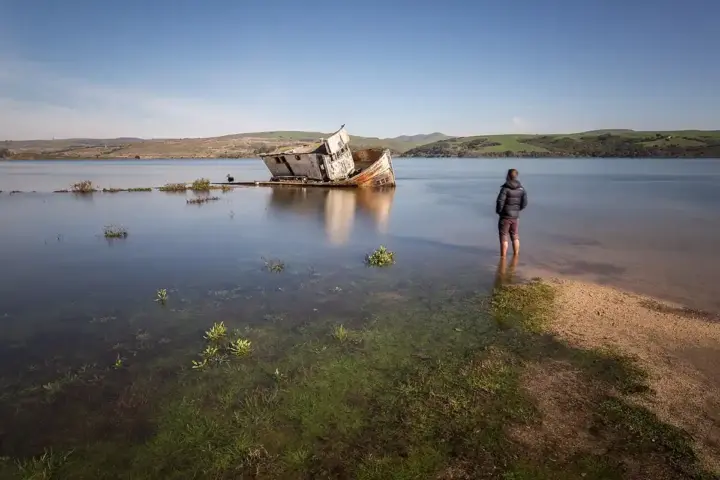
California Record Water Levels Raise Risk of Coastal Flooding
California’s above-normal high-tide window is underway November 22–27, 2026, with another forecast for December 22–26. For people living or working near the shore, those dates bring an increased risk of coastal flooding.
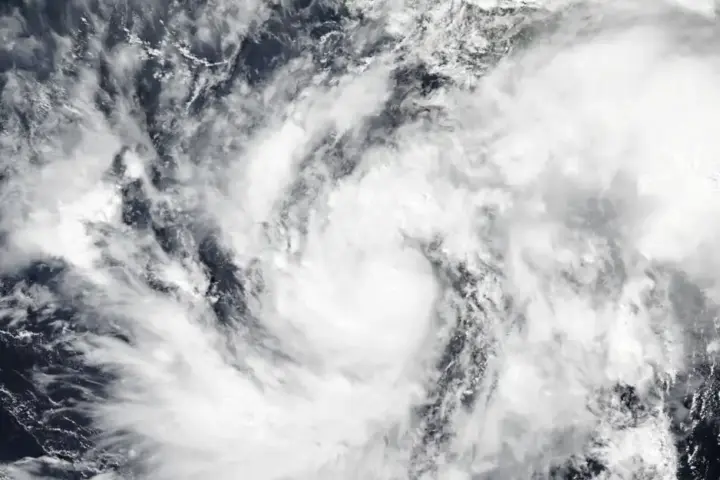
October 2026 Global Temperature Surge: NOAA Logs 2.57°F Largest Monthly Departure As 11 Major Cyclones Form
October 2026 global temperature records arrived together. The month brought the strongest departure from average in NOAA’s 1850–2026 record. It also set a fifth consecutive monthly ocean record and saw tropical cyclone
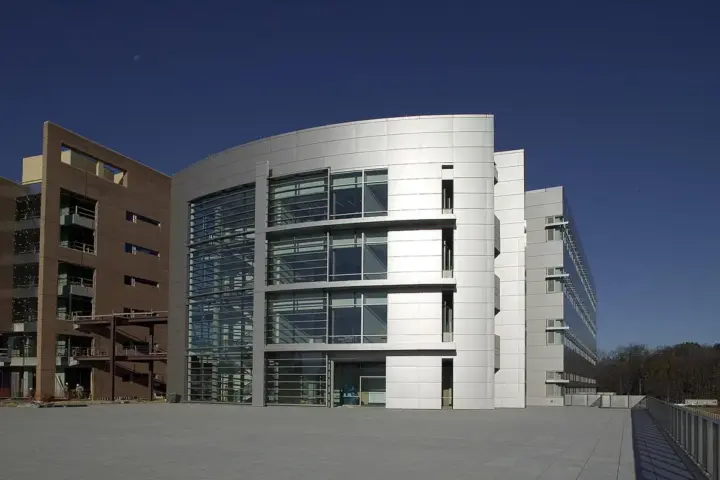
First of a Kind Rail Awards Put £4.8M Into 23 UK Safety Projects
Rail infrastructure defects and trackside hazards are among the issues the First of a Kind rail 2026 competition aims to address. It is supporting 23 projects with £4.8 million in funding from
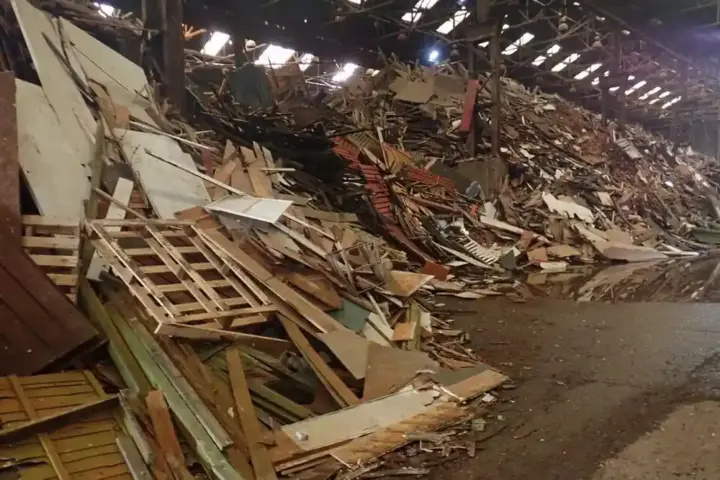
Wallsend Waste Wood Site: Brothers Sentenced Over 8,000-Tonne Pile
Residents and businesses near Davy Bank in Wallsend were put at risk by a large pile of waste wood stored without an environmental permit, the Environment Agency said. Officials estimated about 8,000
Canada Taps 19 Projects For Carbon Dioxide Removal Credits Aiming At ‘Hard-To-Decarbonize’ Defence Emissions
Canada’s national standing offer for carbon dioxide removal credits gives federal departments access to credits from 19 Canadian projects. It creates a potential route for clean-tech developers to sell permanent carbon removal.