Rahul Somvanshi
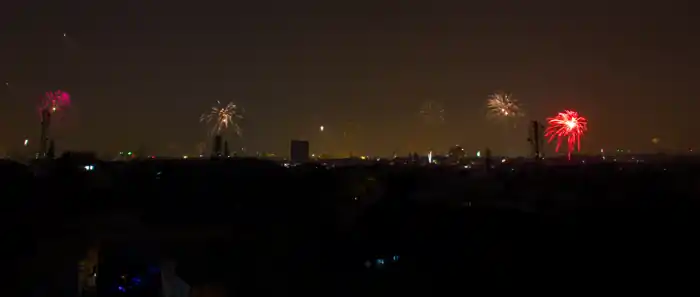
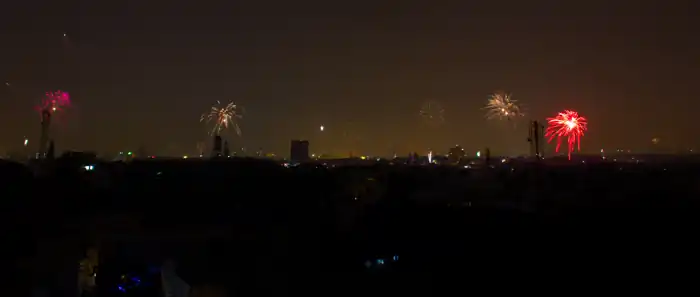
Mumbai recorded 499 fire calls between November 6 and 10, with 333 linked to firecrackers, according to Mumbai Fire Brigade figures reported by the Free Press Journal. The figures put firecrackers behind roughly two-thirds of the calls in that five-day period and renewed questions about enforcement, illegal storage and the limits of late restrictions.
What the figures show
The reported data say November 9 alone brought 166 fires, including 144 connected to firecrackers. Across November 9 and 10, the city recorded 268 fires, 168 of them firecracker-related. The statistics describe attended calls, not necessarily every fire in the city, but they show a sharp public-safety burden during the Diwali period.
On November 9, the BMC barred rockets and other aerial fireworks until November 25. Aerial devices can travel onto balconies, roofs and congested streets, where they can ignite combustible material. The order addressed a specific risk; it did not eliminate risks from ground-based crackers, illegal storage, wiring faults or open flames.
Malvani death
In Malad’s Malvani area, 16-year-old Shahnawaz Niyaz Khan died after a fire at a shop storing firecrackers, according to local reporting. The blaze triggered explosions and a slab collapse; he was found trapped and was declared dead at hospital. The incident highlights why fire-safety controls must include storage, licensing, stock limits and access for emergency responders—not only restrictions on how fireworks are used outdoors.
Why enforcement matters
Municipal restrictions and police orders are only as effective as their enforcement before peak use. The reported fire pattern suggests that prevention needs to begin with inspection of shops and warehouses, licensed sales, fire-safety audits, clear public communication, rapid complaint response and penalties for dangerous storage or use.
Air quality is a separate but connected concern. All fireworks release combustion particles and gases; aerial devices add the risk of landing on buildings or vegetation. Reducing the number and intensity of fireworks can therefore lower both ignition risk and smoke exposure, especially in dense neighbourhoods.
Source: Free Press Journal reporting and Reel, which cites Mumbai Fire Brigade data. The submitted Reel was used as a source lead.