Rahul Somvanshi
Highly pathogenic avian influenza is becoming a conservation emergency, but a crucial distinction is needed: the IUCN Red List has not issued a new November update on the virus. Its next update is due on 26 November. What is already clear is that H5N1 has caused catastrophic wildlife die-offs and is forcing assessors to reconsider extinction risks faster than normal monitoring cycles allow.
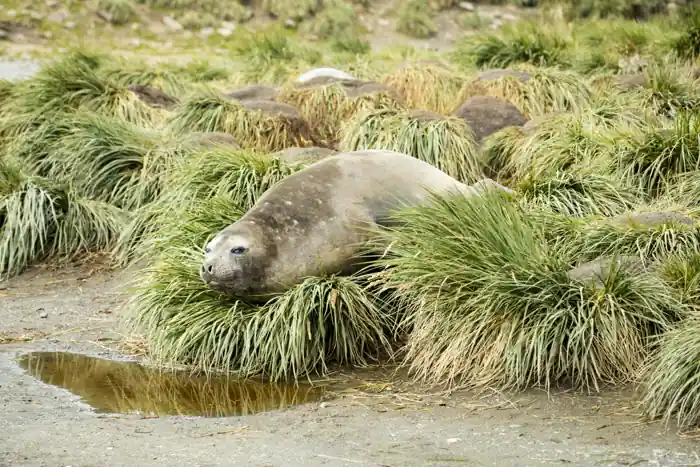
The clearest Red List change so far came in April, when the southern elephant seal was moved two categories—from Least Concern to Vulnerable—after devastating H5N1 losses. It was the first species whose extinction-risk status was raised explicitly because of the virus.
South Georgia’s seal catastrophe
On South Georgia, H5N1 spread from infected birds into southern elephant seals. By 2025, more than 53,000 adult female seals had died there, according to reporting based on conservation assessments. In some South Atlantic colonies, more than 90% of pups and about half of adult females are reported to have died. The island supports more than half of the species’ global breeding population.
IUCN’s assessment says the global population is suspected to have fallen by nearly a third. For a long-lived animal that breeds slowly, the loss of breeding females can have effects lasting decades.
Seabirds under review
BirdLife International, the Red List authority for birds, is reassessing species including the great skua, northern gannet, Peruvian pelican and Humboldt penguin. In Scotland, monitored great-skua colonies fell 76% between 2021 and 2023. At the same time, assessors are cautioning against treating any single colony’s losses as a global population estimate.
That caution is scientifically necessary. Many seabirds die at sea and are never counted; baseline population data are patchy; and climate change, fisheries, El Niño and bycatch can also drive declines. A mass mortality event is horrific, but a Red List change requires evidence that a species meets defined global extinction-risk criteria.
A wildlife pandemic that is hard to count
H5N1 has moved far beyond poultry into wild seabirds, shorebirds and marine mammals. It has been detected across much of the world, including Antarctica and, more recently, mainland Australia. The threat is greatest for species with small, isolated populations or slow reproduction, where even a short outbreak can remove a large share of breeding adults.
The policy implication is not to wait for a status change before acting. Surveillance, safe carcass reporting and removal, biosecurity around colonies, reduction of other pressures such as fisheries-related food stress, and protection of breeding habitat can all lower vulnerability while assessments catch up.
For people, the current public-health risk remains low, but wildlife agencies advise against touching sick or dead birds or mammals. Keep pets away, report suspected cases to local wildlife or veterinary authorities, and follow official handling advice.
Sources: Guardian reporting; the IUCN Red List assessment for the southern elephant seal; and the FAO’s species information.