Rahul Somvanshi
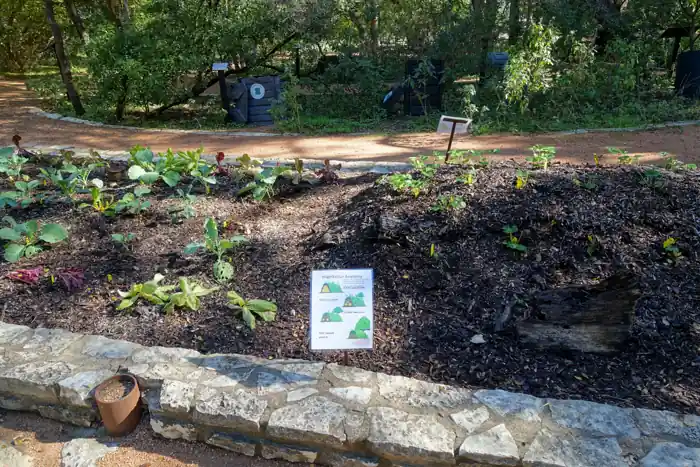
Hügelkultur—German for “mound culture”—is a raised-bed method that buries logs and branches beneath soil and compost. As the wood breaks down, it changes the bed’s structure, supports soil life and can help retain moisture. It is a practical way to reuse untreated garden debris, but it is not a magic bed that eliminates watering, feeding or pest management.
How to build a small hügelkultur bed
- Choose the site. Use a sunny, well-drained area away from building foundations, retaining walls and underground services. For a terrace or balcony, do not build a heavy wood-filled mound without checking structural load limits; use containers or a lighter compost-based raised bed instead.
- Start low. For vegetables, make a modest bed 30–60 cm high rather than a dramatic mound. It will settle substantially over the first year or two.
- Lay the woody core. Place partially decayed, untreated logs first, then branches and twigs. Soak very dry wood before covering it if water is available.
- Add nitrogen-rich material. Cover the wood with green leaves, grass clippings in thin layers, well-rotted manure or finished compost. This helps balance the high-carbon wood while microbes decompose it.
- Top with real growing soil. Add at least 20–30 cm of good soil-compost mix above the wood. Vegetable roots need a reliable soil layer; do not plant straight into raw wood chips.
- Mulch and water deeply. Cover the surface with leaf mulch or straw, then water slowly until the layers are moist. Check moisture through the first season rather than assuming the wood will supply it.
What wood to use—and avoid
Use only untreated, unpainted, non-engineered wood from known sources. Never use plywood, MDF, painted timber, railway sleepers, pressure-treated wood, chemically treated pallets or wood from a diseased tree. Avoid placing highly resinous fresh conifer wood in a vegetable bed if alternatives are available. Smaller branches and already weathered hardwood are easier to work with than large fresh logs.
What to plant first
In the first season, choose crops that tolerate a settling bed and benefit from compost-rich topsoil: beans, peas, squash, pumpkin, cucumber, leafy greens, herbs, chillies or okra—matched to the local season. Cabbage and cauliflower can also work, but need consistent moisture and nutrition. Add finished compost around hungry crops and watch leaves for yellowing, which can signal inadequate available nitrogen.
Benefits, with realistic expectations
A woody core can act as a moisture reservoir once wet and decomposing, while the mix of organic materials can improve soil structure over time. But results depend on climate, wood type, bed depth, soil and maintenance. A new bed can dry out before the wood becomes absorbent, and fresh wood can temporarily tie up some nitrogen near the decomposition zone. Keep a deep soil layer over the wood, use compost and fertilise crops according to their needs.
Important cautions for Indian gardens
During the monsoon, make sure excess water can drain away; a wet, airless bed can rot plant roots. In hot dry periods, still water regularly until the bed proves its moisture-holding ability. Termites are part of decomposition in many landscapes, but do not build a wood-filled bed beside a house, wooden deck or stored timber. Keep the garden bed separated from structures and inspect it periodically.
Hügelkultur works best as a patient soil-building method, not a quick fix. Start with one small bed, keep notes on watering and yields, and add compost and mulch as the mound settles.
Sources: Practical horticultural guidance on hügelkultur beds and a review of its design, benefits and drawbacks. The submitted Reel was used as a discovery lead.