Rahul Somvanshi
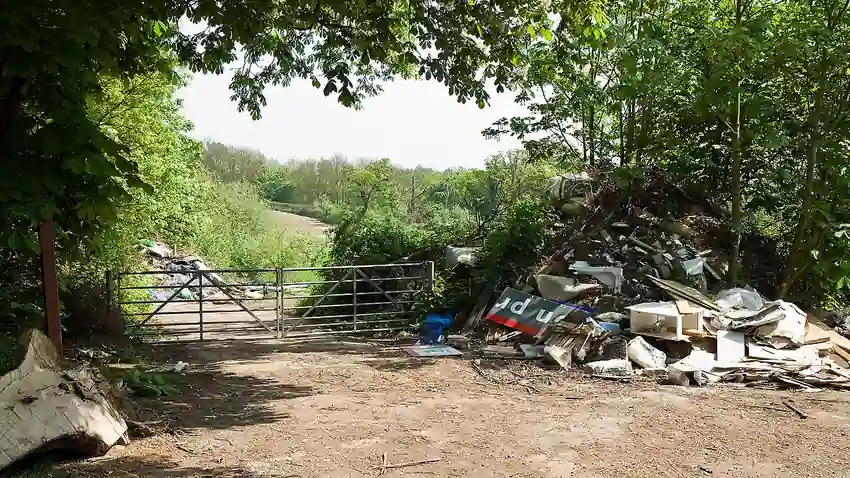
Sunbury landlord Jacob Cheu had no reason to expect anything unusual when he returned to his semi-rural property 38 kilometres northwest of Melbourne for a routine inspection. What he found instead was an estimated 5,500 tonnes of commercial rubbish across his land—and a potential disposal bill estimated at more than $2 million under Victorian EPA rules.
Cheu’s Sunbury property was used as an illegal commercial waste dump by tenants operating a “rent-to-dump” scheme—where waste operators lease accessible rural properties under front tenancies, charge cash for dumping commercial rubbish at rates well below the legal landfill fee, then abandon the site before authorities arrive. EPA Victoria is investigating the dumping at Moore Road, Sunbury, under its environment protection powers. An estimated $2 million clean-up bill falls on Cheu as the registered landowner under Victorian Environment Protection Authority rules.
If you lease out semi-rural acreage, a warehouse, or a property with wide truck access in Australia, standard landlord insurance malicious-damage policies may not cover the full cost of a contaminated site remediation—leaving you personally liable for significant costs under state EPA clean-up notices if a tenant vanishes. Protect yourself by requiring verifiable commercial references, scheduling your first physical inspection within 14 to 30 days of lease commencement, and installing solar-powered gate cameras on rural driveways.
The financial logic behind these operations is that legal landfill disposal costs vastly exceed rogue tipping fees—with operators pocketing the difference before authorities notice. With semi-rural properties around Melbourne, Sydney, and Brisbane offering large open areas, easy heavy-vehicle access, and minimal surveillance, a single operation can accumulate thousands of tonnes before a council inspector notices. Under the Victorian Environment Protection Act 2017, when a tenant abandons a contaminated site, the property owner may be found liable for remediation costs—regardless of whether the owner knew about or authorised the dumping. Commercial property lease inspection checklists provide guidance on due-diligence steps before signing, and Australian illegal waste dumping penalties details reporting channels and penalty regimes.
The substantial gap between legal and illegal disposal costs means every semi-rural property with gate access is a potential target—with the landlord’s equity effectively underwriting the scheme.
*What is a “rent-to-dump” scam in Australia?* A “rent-to-dump” scam occurs when waste operators lease a semi-rural property or warehouse under a front tenancy, collect thousands of tonnes of commercial rubbish for cash, and abandon the site. Legal landfill disposal costs significantly exceed illegal tipping rates, so syndicates pocket the difference while leaving landlords with estimated million-dollar clean-up bills.
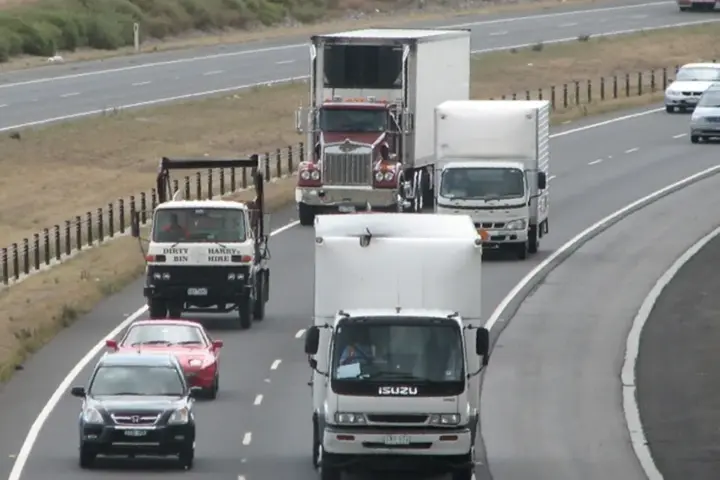
Suspicious heavy vehicle movements at nearby rural properties can be reported to EPA Victoria’s environment line and local council enforcement teams. Early reporting before a site fills reduces eventual clean-up costs and liability exposure for neighbouring landowners.