Rahul Somvanshi
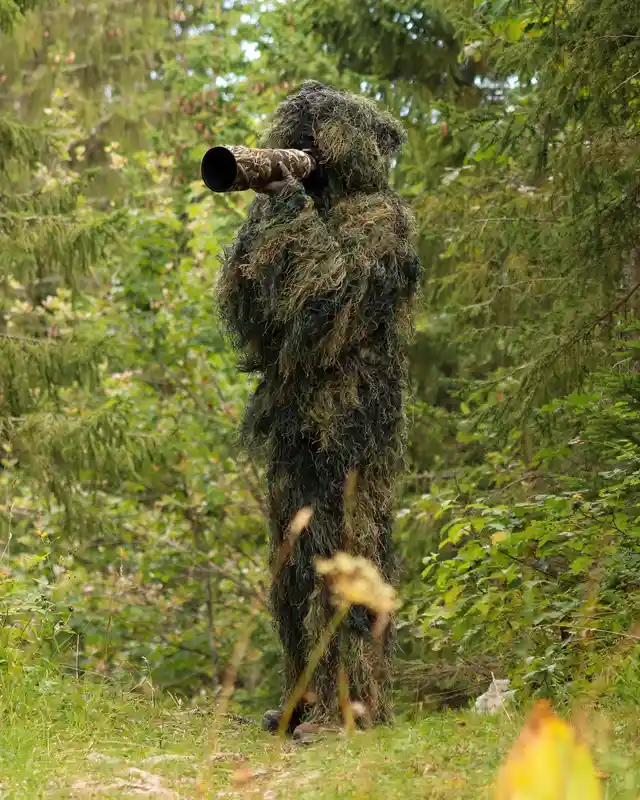
A new investigative documentary, Captured, is turning a critical lens on one of wildlife photography’s most closely guarded practices: the use of staged images featuring trained animals. According to the film’s official website, Captured premiered at the Mountainfilm festival in Telluride, Colorado, from May 22–24, 2026.
The film follows an alliance between Heather Keepers, a former big cat trainer and whistleblower from a wildlife game farm, and wildlife photographer Melissa Groo, who has spent years drawing attention to the staged-photography industry. According to the film’s official site, when Keepers left her position she brought evidence of serious wrongdoing — a story the documentary frames as a high-stakes whistleblower investigation.
Allegations at the Heart of the Film
Per the description on captureddoc.com, Captured investigates claims of animal abuse, animal deaths, and endangered species trafficking, alongside federal complaints, undercover recordings, and retaliatory lawsuits. It is important to note that these are the film’s own allegations and the subjects of its investigation — not facts independently confirmed outside the documentary. Readers interested in the specifics should consult the official site directly.
What Are “Photography Game Farms”?
The broader practice at the centre of the film has drawn scrutiny from environmental journalism. A report from Mongabay describes “photography game farms” as captive facilities where photographers pay to produce images of wild-animal species under controlled conditions. The resulting photographs can then be sold to stock photography sites, magazines, and entered into awards competitions.
Mongabay’s reporting highlights photographer Melissa Groo as one of the advocates trying to end this practice. A central concern is non-disclosure: when photographers do not reveal that an image was taken at a game farm, viewers may be misled into believing they are seeing unscripted wild behaviour. A photograph appearing to show a predator mid-hunt or a rare species in an unguarded pose may instead document a staged encounter with a trained animal.
Why the Distinction Matters
Wildlife photography carries an implicit presumption — among editors, awards juries, and audiences — that an image reflects authentic animal behaviour in a natural setting. Photography game farms, as described by Mongabay, exist precisely to make certain shots reliably obtainable in ways that wild conditions may not allow. When the staged origin is not disclosed, the images can circulate through stock libraries, publications, and competitions with an implied claim to wild authenticity.
Captured‘s site states the film’s investigation extends beyond disclosure questions to include allegations of mistreatment, death, and trafficking of animals involved in this industry. These are presented as the subject of the film’s investigative reporting; they are attributed to the documentary rather than verified independently here.
A Documentary Debut at Mountainfilm
The documentary’s premiere at Mountainfilm — a Telluride festival long associated with environmental and adventure storytelling — placed Captured in front of an audience attuned to conservation themes. The May 2026 screenings mark the documentary’s first public showing of its investigation into staged wildlife imagery.
The fullest account of the film’s specific allegations — including evidence of abuse, animal deaths, trafficking, and the retaliatory lawsuits it describes — is available through the official Captured website. For context on photography game farms and the disclosure concerns they raise, Mongabay’s reporting on wildlife photography’s dirty little secret provides an independent account.