Rahul Somvanshi
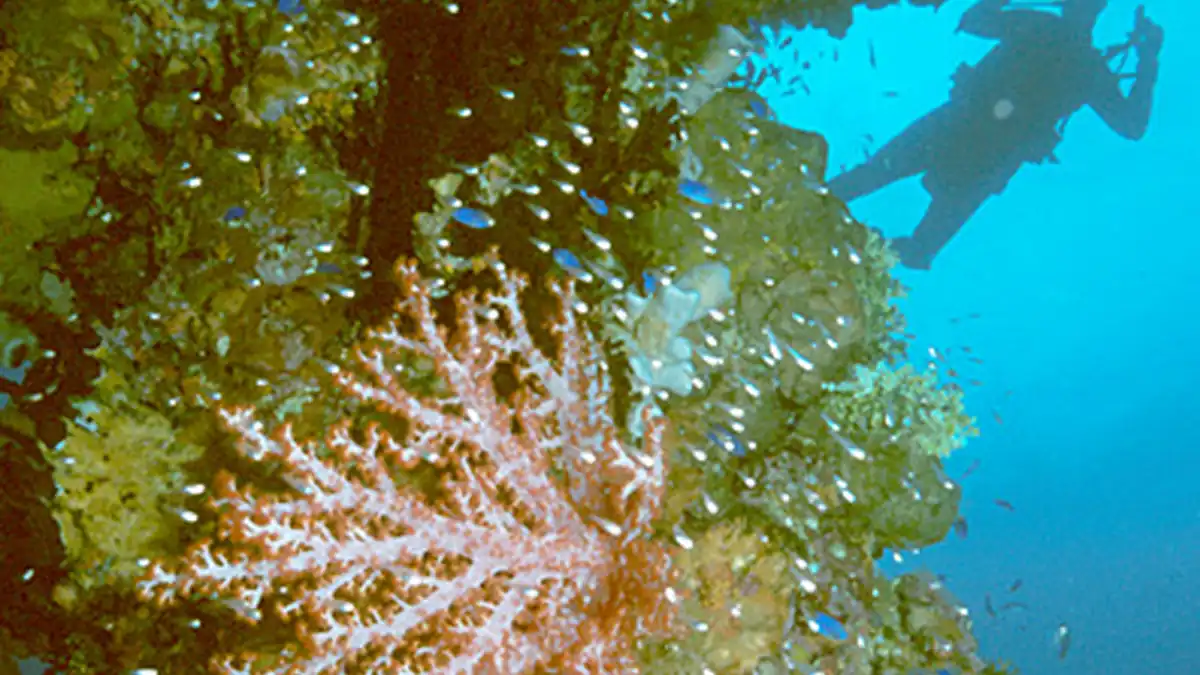
Eighty years after the US Navy sank dozens of Japanese ships in a single operation, the fuel that went down with those vessels is still there—and it has developed its own ecosystem.
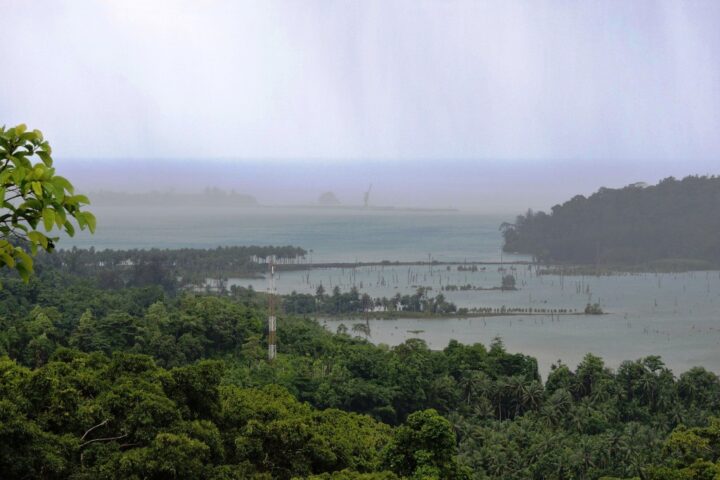
University of the South Pacific researchers led by Awei Bainivalu collected fuel samples from two Japanese ships resting in Micronesia’s Chuuk Lagoon and sequenced the DNA of everything living inside. Their findings, published in the peer-reviewed journal Marine Pollution Bulletin and reported October 23, 2026 by ScienceAlert, catalogued 42 phyla, 107 classes, 249 orders, 432 families, 1,047 genera, and 1,505 species-level bacterial classifications living inside 80-year-old petroleum. The two ships sampled were the fleet oiler Shinkoku Maru and the converted troop and cargo ship Kiyosumi Maru, both sunk during the US Operation Hailstone strike in February 1944. The bacterial community was dominated by Proteobacteria, with three hydrocarbon-degrading genera standing out: Ralstonia, Sphingomonas, and Corynebacterium.
Chuuk Lagoon holds one of the highest concentrations of potentially polluting WWII shipwrecks in the Pacific region, according to researchers. Hundreds of sunken ships across the Pacific continue to corrode, threatening coral reefs and coastal fisheries with escaping petroleum after eight decades underwater. Discovering 1,505 species-level bacterial classifications thriving inside leaking fuel at Chuuk gives scientists a native microbial toolkit that researchers say could provide a baseline for future bioremediation research in the Pacific. Learn more about Pacific Ocean pollution threats and marine conservation and bioremediation research in the Indo-Pacific at Karmactive.
Inside the Microbiome of Two Sunken Warships
The study did not find the same bacterial community in every part of the wreck. The microbiome living inside the pure oil differed significantly from the community found at the oil-seawater boundary—the thin interface where leaking fuel meets Pacific seawater on the outside of the corroding hull. This taxonomic difference between zones suggests the wrecks are not passive barrels of uniform poison, but are associated with distinct microbial communities in different chemical environments.
This has practical implications for remediation strategy. Heavy fuel oil from the Kiyosumi Maru is far more persistent in marine environments than the lighter fuel oil from the Shinkoku Maru. The researchers are explicit about one important scientific caveat: the study proved these bacteria inhabit the fuel and differ by chemical zone, but it did not directly measure active hydrocarbon breakdown rates. Proving metabolic activity—how fast these specific Chuuk Lagoon strains actually degrade fuel—is the next research step before any bioremediation application can be developed.
Ongoing corrosion of steel hulls after eight decades in tropical saltwater means that further fuel releases from Pacific WWII wrecks remain an active concern for researchers and Pacific coastal communities.
What did scientists find living in the fuel of WWII shipwrecks?
Microbiologists led by Awei Bainivalu at the University of the South Pacific discovered 1,505 species-level bacterial classifications living inside 80-year-old fuel leaking from two Japanese WWII shipwrecks in Micronesia’s Chuuk Lagoon, including hydrocarbon-degrading genera Ralstonia, Sphingomonas, and Corynebacterium, as reported in Marine Pollution Bulletin.
The research team has flagged follow-up work to measure actual metabolic breakdown rates—how fast these Chuuk Lagoon bacterial strains degrade the fuel. That data would determine whether bioremediation is scalable across the Pacific WWII wrecks at risk of hull breach. Pacific coastal and island communities watching coral reef health and fish stocks in the Chuuk region will be among the first affected if the larger wrecks begin releasing stored fuel in volume.